OEM/ODM MANUFACTURING FOR GLOBAL BRANDS
- View Our Alibaba Store
- info@huhumahjong.com
- +86 13326907761
Layered Mahjong Tiles: What Brands Should Know
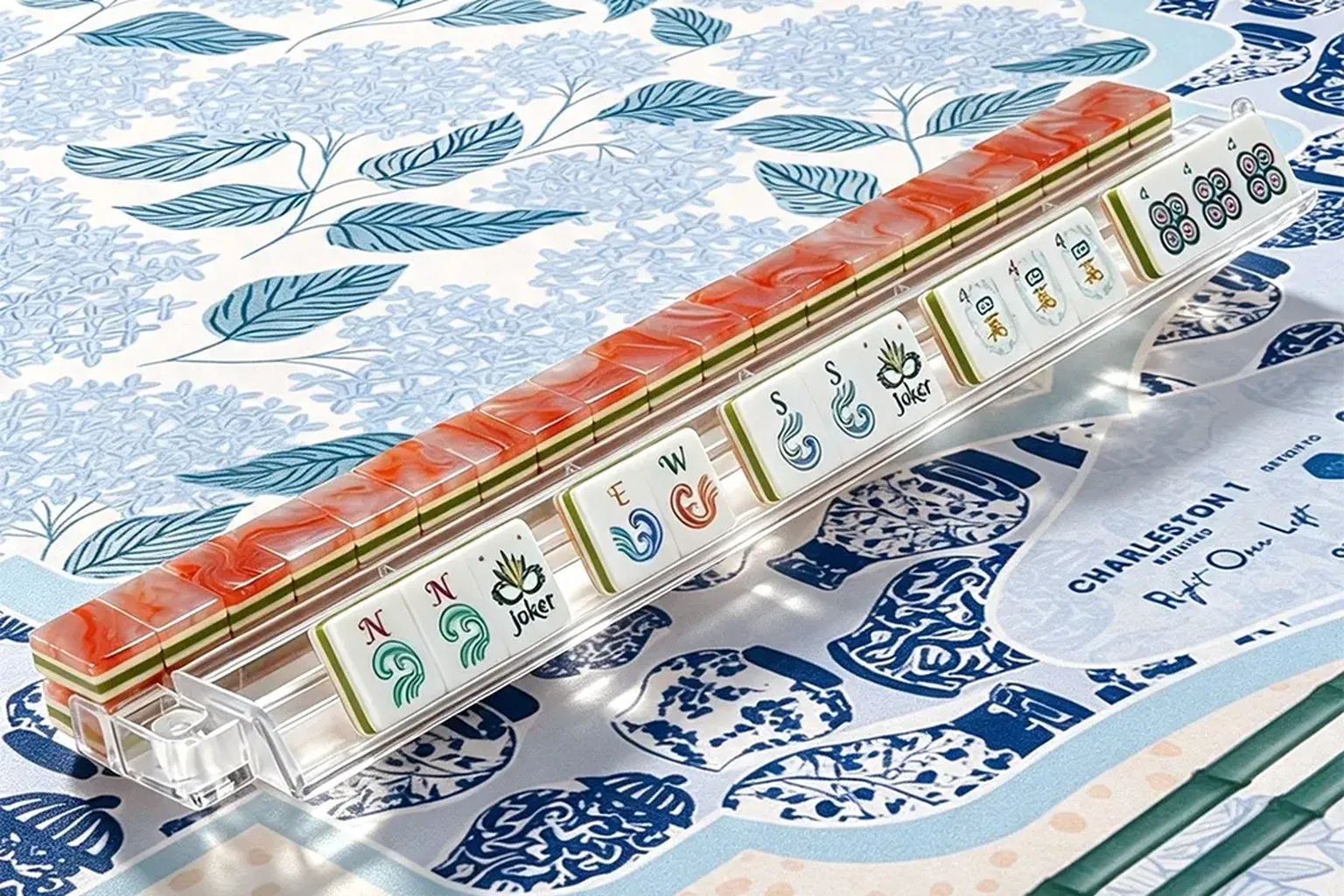
Modern Mahjong products are increasingly recognised not only by their front artwork but also by the way the tiles look from the side.
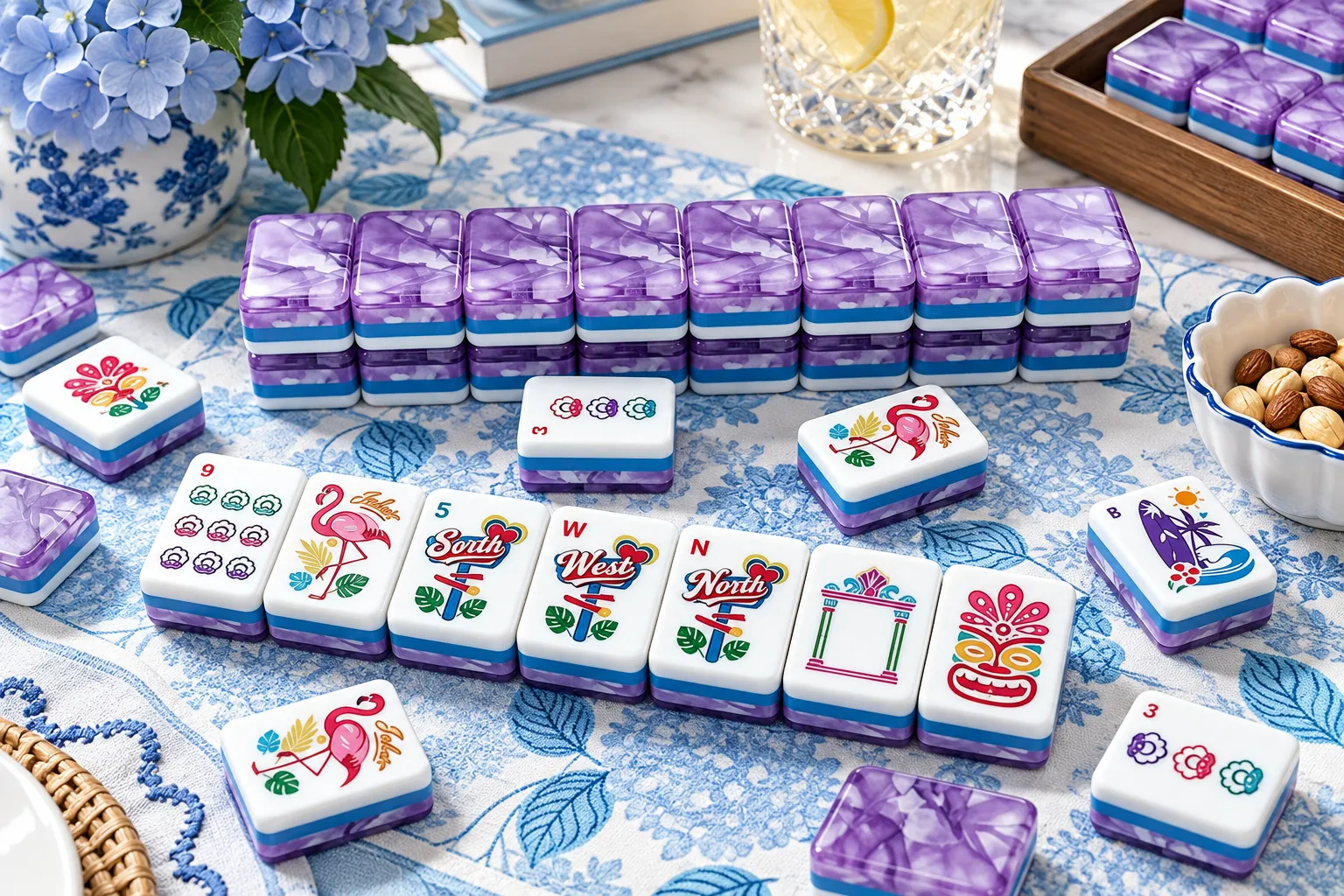
Layered Mahjong Tiles use two or more visible colour layers to create distinctive profiles that can make a Mahjong collection feel more modern, colourful and recognisable.
For brands, retailers and clubs developing Mahjong products, layered construction can influence appearance, handling, weight and overall product identity.
However, choosing a layered tile is not simply about adding more colours.
The number of layers, colour combination, thickness and production consistency all need to work together.
This guide explains what buyers should consider when sourcing Layered Mahjong Tiles.
What Are Layered Mahjong Tiles?
Layered Mahjong Tiles are Mahjong tiles constructed with two or more visible colour sections.
Depending on the product design, a tile may feature:
- Two colour layers
- Three colour layers
- A white face with a coloured base
- Contrasting side colours
- Coordinated brand colours
The layered structure is often most visible when tiles are stacked, placed on racks or viewed from the side.
This gives brands another way to create a distinctive product beyond the artwork printed or engraved on the tile face.
Why Layered Mahjong Tiles Are Popular
One reason Layered Mahjong Tiles have become popular is their strong visual impact.
A traditional single-colour tile can look clean and classic, while layered construction can create a more playful or lifestyle-focused appearance.
Brands may use layered designs to create:
- Pastel collections
- Bold colour combinations
- Seasonal products
- Premium lifestyle sets
- Distinctive retail collections
The side profile becomes part of the overall design rather than simply a functional part of the tile.
1. Two-Layer Mahjong Tiles
Two-layer construction is one of the simplest ways to introduce colour contrast.
A typical design may combine:
- White + green
- White + blue
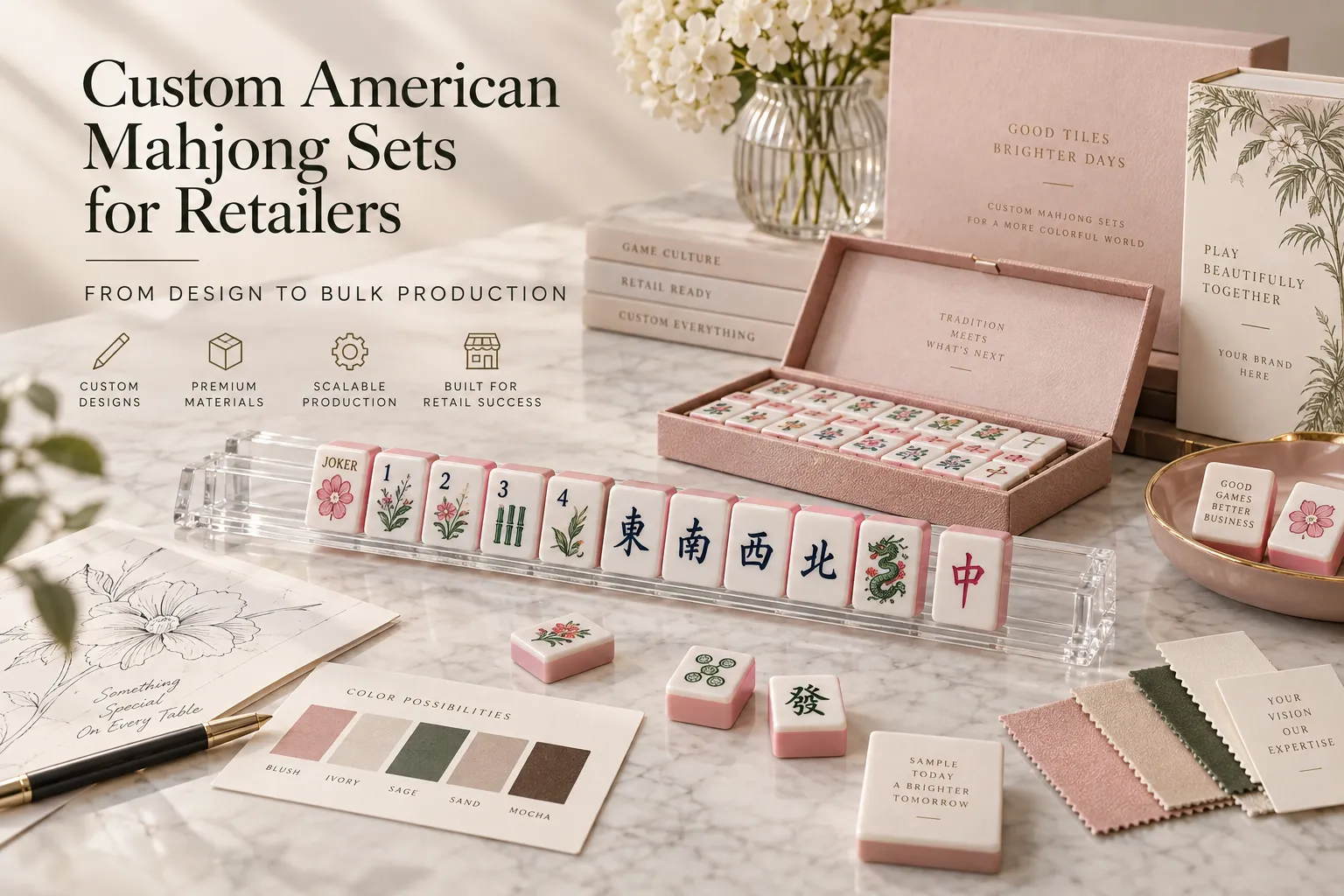
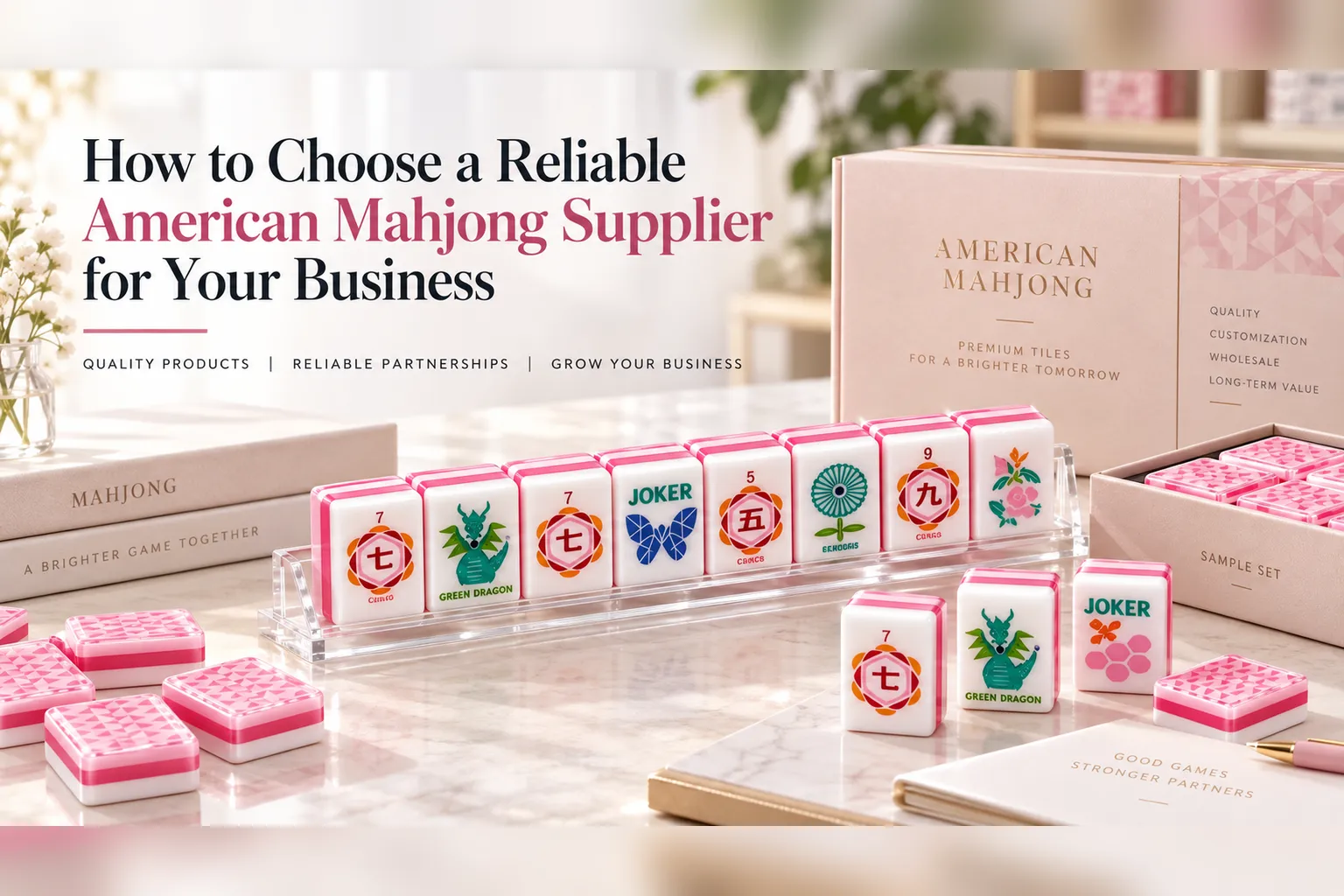
- White + pink
- Ivory + red
Two-layer Layered Mahjong Tiles can create a clean appearance without making the product feel overly complicated.
This style is suitable for brands that want a modern look while keeping the overall design relatively simple.
2. Three-Layer Mahjong Tiles
Three-layer tiles allow brands to create more distinctive side profiles.
Possible combinations include:
- Pink + white + green
- Red + white + gold
- Blue + white + navy
- Orange + white + green
Three-layer Layered Mahjong Tiles can appear especially attractive when tiles are stacked together.
The additional colour creates stronger visual depth and can help a collection stand out in product photography.
3. Colour Order Matters
The same three colours can create very different results depending on their order.
For example:
Pink / White / Green
will feel visually different from:
Green / White / Pink
Brands should therefore specify the exact layer order when preparing product requirements.
For Layered Mahjong Tiles, colour placement should be considered as carefully as colour selection.
4. Layer Thickness Changes the Appearance
Layers do not always need to have identical thickness.
A design may use:
- One dominant base layer
- A narrow accent layer
- A larger white playing surface
Changing the thickness of each section can dramatically change the appearance of Layered Mahjong Tiles.
Brands should therefore provide clear references if a specific proportion is important.
A simple side-view diagram can help communicate the intended structure.
5. Colour Matching Is Especially Important
With layered tiles, several colours are visible at the same time.
This means colour coordination becomes especially important.
Brands should consider whether the selected colours:
- Complement each other
- Match the front artwork
- Support the overall collection theme
- Remain consistent across production
Strong Layered Mahjong Tiles usually use a controlled colour palette rather than unrelated colours.
6. The Front Artwork Should Match the Side Profile
The tile face and side layers should feel like part of the same product.
For example, a green and white layered tile may work well with:
- Botanical illustrations
- Bamboo designs
- Nature-inspired artwork
A pink layered tile may work well with:
- Florals
- Playful Jokers
- Pastel illustrations
However, there are no fixed rules.
The important point is that Layered Mahjong Tiles should have a cohesive visual identity.
7. Side Profiles Matter in Product Photography
Mahjong tiles are frequently photographed from angled perspectives.
This means the side profile is often visible in:
- Product pages
- Social media
- Advertising
- Lifestyle photography
Layered construction can therefore become an important visual feature.
Well-designed Layered Mahjong Tiles can create strong photography even when the tile artwork itself is relatively simple.
8. Layer Consistency Is Important
When many tiles are placed together, differences in layer thickness become easier to notice.
Brands should look for consistency in:
- Colour thickness
- Layer alignment
- Side finishing
- Overall dimensions
Consistent Layered Mahjong Tiles create a cleaner and more professional appearance.
This is especially important for premium or design-led collections.
9. Layered Construction Can Affect Tile Weight
Adding or changing material layers may influence the final tile weight.
The effect depends on:
- Tile dimensions
- Layer thickness
- Materials used
- Overall construction
For this reason, buyers should consider Layered Mahjong Tiles together with weight and handling requirements.
The most visually impressive construction is not always the most comfortable for every customer.
10. Handling Should Still Feel Comfortable
Mahjong tiles are designed to be used repeatedly.
Even highly decorative Layered Mahjong Tiles should remain comfortable to:
- Pick up
- Shuffle
- Stack
- Arrange
- Place on racks
The side profile should feel smooth and consistent.
Visual design should never reduce practical usability.
11. Rounded Edges Should Remain Consistent
Many modern Mahjong tiles use rounded edges for comfortable handling.
For layered products, the colour layers should follow the tile shape cleanly around the edges.
Poor alignment may become particularly noticeable at corners.
High-quality Layered Mahjong Tiles should maintain clean transitions between colours even around curved areas.
12. Layered Tiles and American Mahjong
American Mahjong products often use bold colours and decorative artwork.
This makes layered construction particularly suitable for this market.
Brands may combine colourful side profiles with:
- Arabic numbers
- Jokers
- Flowers
- Decorative suits
- Modern artwork
For lifestyle-focused American Mahjong products, Layered Mahjong Tiles can help create stronger visual differentiation.
13. Lifestyle Collections Can Benefit From Layering
Mahjong is increasingly becoming part of home entertaining and lifestyle retail.
Colourful tile edges can help a set coordinate with:
- Table mats
- Home décor
- Seasonal themes
- Brand colour palettes
This gives Layered Mahjong Tiles additional lifestyle appeal beyond traditional gameplay.
14. Premium Collections Do Not Need Many Colours
More layers do not automatically create a more premium product.
A sophisticated two-colour combination can sometimes feel more refined than a complicated multi-colour structure.
Premium Layered Mahjong Tiles often rely on:
- Balanced colours
- Clean transitions
- Consistent proportions
- Quality surface finishing
The goal should be cohesion rather than complexity.
15. Layered Tiles for Seasonal Collections
Layered colours can also support seasonal product concepts.
Examples include:
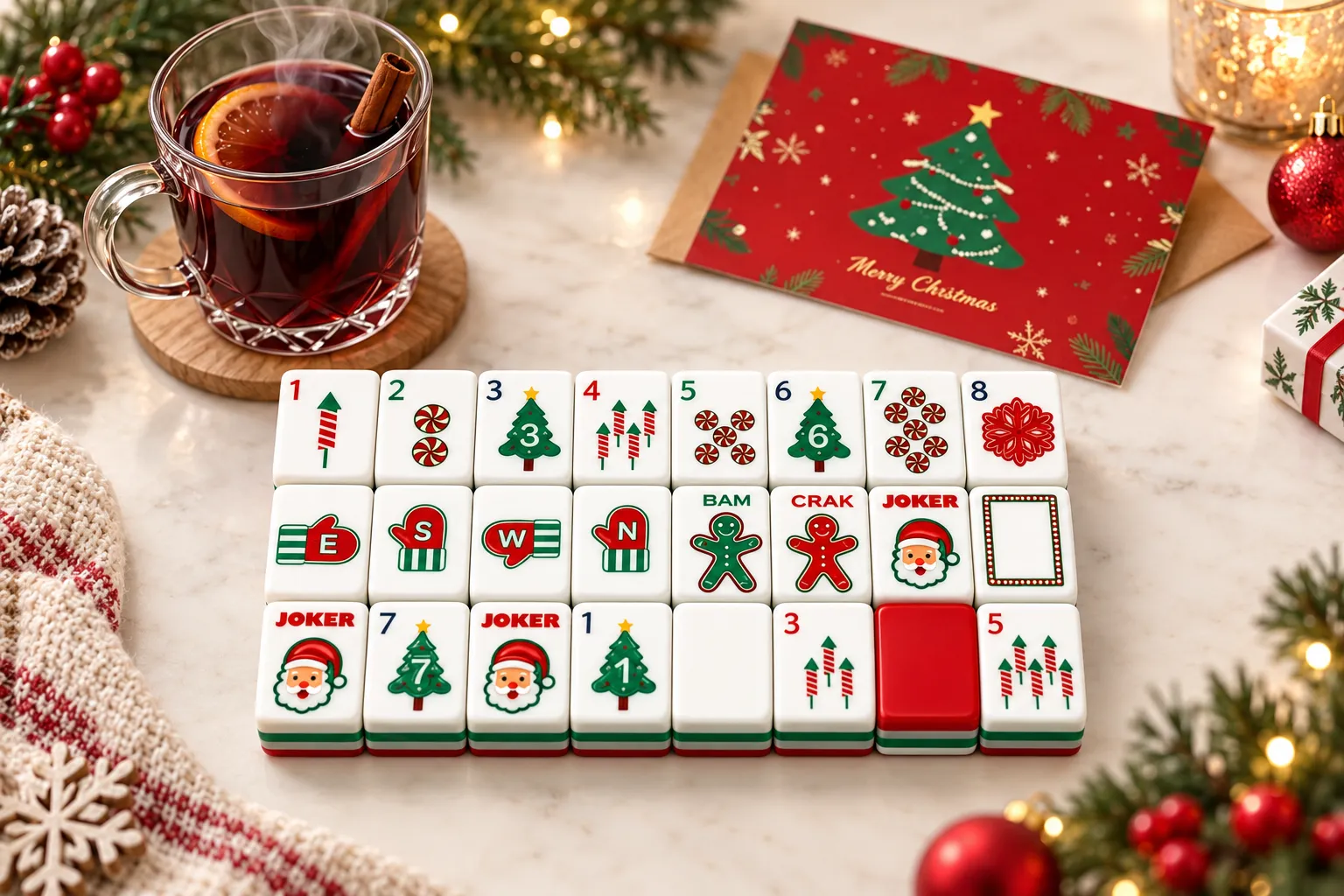
Christmas
Red + white + green
Spring
Pink + white + green
Summer
Blue + white + turquoise
Autumn
Orange + cream + brown
Seasonal Layered Mahjong Tiles can create an immediate visual connection with a theme without requiring every tile face to be heavily decorated.
16. Brand Colours Can Be Incorporated Into Layers
Brands with established colour identities may incorporate those colours into the tile structure.
For example, a brand might use:
- Its signature colour as the base
- White as the centre layer
- A secondary brand colour as an accent
This can make Layered Mahjong Tiles feel more closely connected to the wider brand identity.
Customers should provide clear colour references when specific brand colours are required.
17. Layered Tiles Should Be Reviewed From Multiple Angles
When reviewing a Mahjong design, brands often focus primarily on the front artwork.
For layered products, side and back views are also important.
A design review should consider:
- Front
- Side
- Back
- Stacked appearance
- Angled appearance
This gives a more realistic impression of how the finished Layered Mahjong Tiles will look during use.
18. Stacked Tiles Reveal Layer Consistency
One useful way to evaluate layered products is to stack multiple tiles together.
This can reveal:
- Uneven layer thickness
- Colour inconsistency
- Misalignment
- Differences in tile size
Because Mahjong sets contain many pieces, Layered Mahjong Tiles should maintain visual consistency across the complete collection.
19. Buyers Should Provide Clear Layer Specifications
For custom projects, customers should clearly identify:
- Number of layers
- Colour order
- Colour references
- Preferred proportions
- Tile dimensions
If a brand has a specific appearance in mind, reference images can also help.
Clear requirements make it easier to evaluate the production needs for Layered Mahjong Tiles.
20. What Brands Should Check Before Production
Before confirming a layered Mahjong product, buyers can review:
- How many layers are required?
- What is the colour order?
- Are the colour references clear?
- Does the side profile match the tile artwork?
- Are layer proportions appropriate?
- Is the overall tile thickness suitable?
- Will the tile remain comfortable to handle?
- Does the layered design suit the target market?
These questions help brands make more informed decisions.
Working With HUHU Mahjong
HUHU Mahjong works with brands, retailers and clubs producing Mahjong products based on customer-provided designs and specifications.
Customers provide their artwork, colour references and product requirements, while HUHU focuses on professional manufacturing and production execution.
For Layered Mahjong Tiles, customers should clearly specify their desired colour combinations, layer order and product requirements.
Clear information helps the manufacturing team better understand the intended finished appearance.
Final Thoughts
Layered Mahjong Tiles give brands an additional way to create distinctive Mahjong products.
By combining colours through the tile structure itself, brands can create products that look attractive from the front, side and when stacked together.
However, successful layered design depends on more than simply selecting several colours.
Layer order, thickness, colour matching, construction consistency and handling all contribute to the final result.
For brands creating modern Mahjong collections, thoughtfully designed Layered Mahjong Tiles can help build a stronger and more recognisable product identity.
About the Author
HUHU Team
We share industry insights, product knowledge, and manufacturing updates to help global clients better understand mahjong production and OEM solutions.