For retailers and wholesalers, the first Mahjong order is only the beginning.
Once products start selling, the next challenge is deciding when to reorder, how much inventory to replenish and which styles deserve more stock.
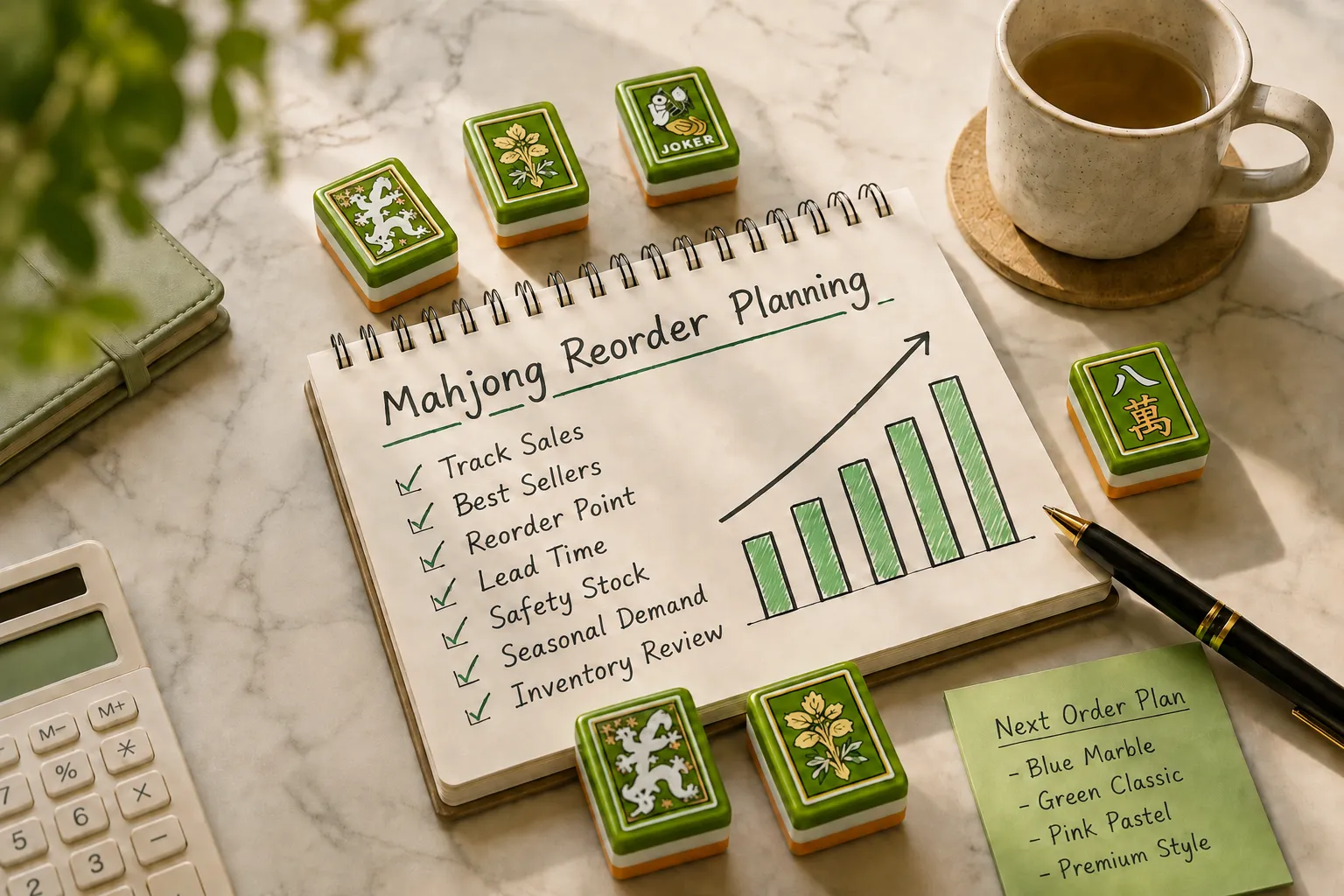
Good Mahjong Reorder Planning can help businesses reduce stockouts, avoid overstocking and keep popular products available for customers.
This guide explains the main points buyers should consider when planning repeat wholesale orders.
Why Mahjong Reorder Planning Matters
Waiting until a product is completely sold out before reordering can create unnecessary gaps in inventory.
At the same time, ordering too much too early can increase storage pressure and tie up cash.
A practical Mahjong Reorder Planning process helps retailers balance:
- Sales demand
- Remaining inventory
- Supplier lead time
- Shipping time
- Storage space
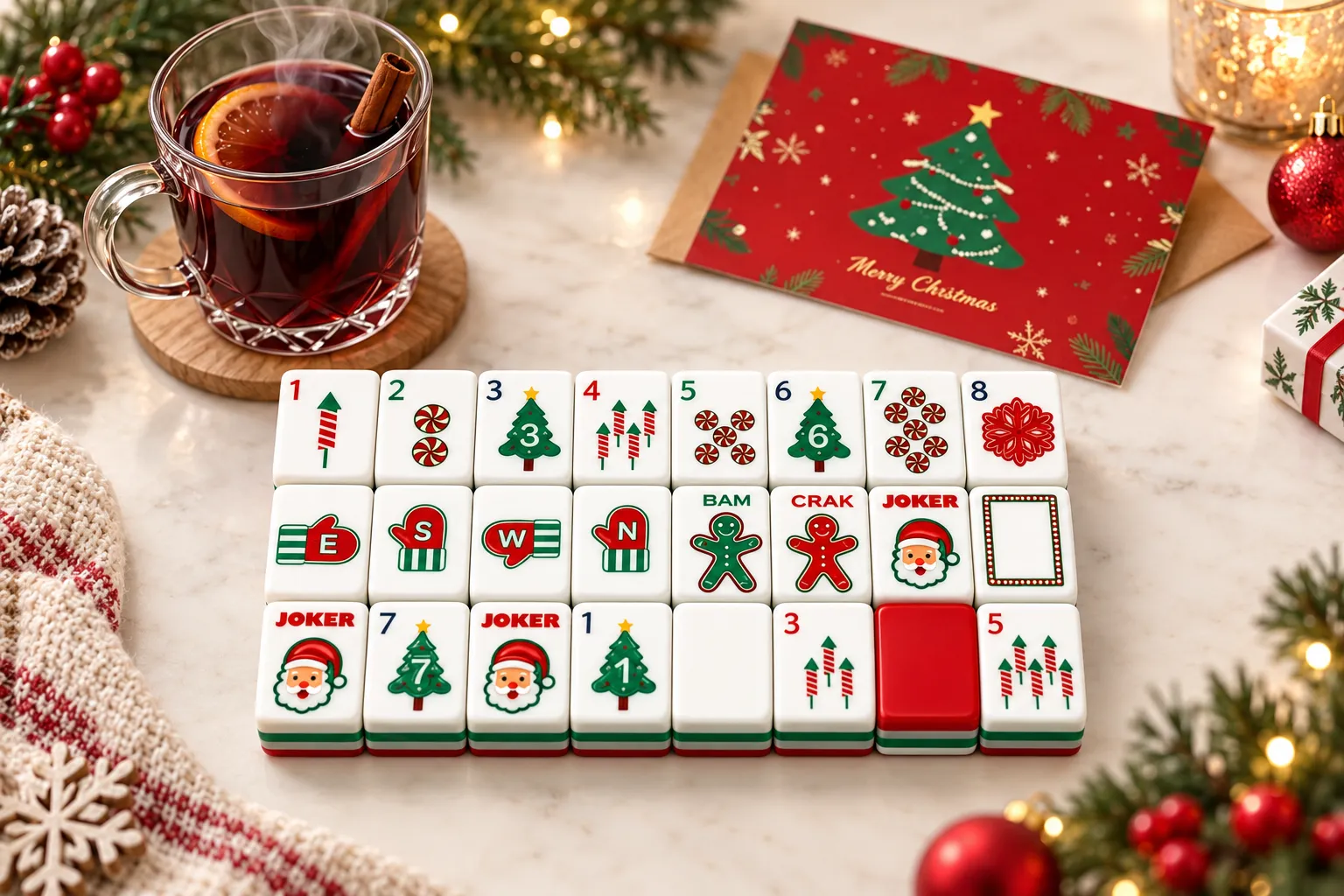
- Seasonal demand
The goal is to reorder before stock becomes too low without holding more inventory than the business needs.
1. Track Sales by Style
Not every Mahjong design will sell at the same speed.
Retailers should track sales separately for each:
- Colour
- Design
- Material
- Price level
- Product style
For example, a blue marble design may sell faster than a seasonal colour.
This information makes future Mahjong Reorder Planning much more accurate.
2. Identify Your Best Sellers
After several weeks or months of sales, certain products will usually become clear favourites.
These are often the products that should receive larger repeat orders.
Best sellers may have:
- Consistent weekly sales
- Frequent customer enquiries
- Low return rates
- Strong repeat demand
Retailers can treat these products as core inventory.
3. Reduce Slow-Moving Styles
Not every product needs to be reordered at the same quantity.
If a style sells slowly, consider:
- Ordering a smaller quantity
- Waiting before reordering
- Replacing it with a new style
- Using the remaining stock in promotions
Good Mahjong Reorder Planning should be based on actual sales rather than simply repeating the first order.
4. Set a Reorder Point
A reorder point is the inventory level at which you should begin planning the next purchase.
For example, if a product sells 20 units per week and the total production and shipping time is several weeks, waiting until only 10 units remain may be too late.
Retailers should consider:
- Average weekly sales
- Supplier lead time
- Shipping time
- Safety stock
This helps determine when the reorder process should begin.
5. Allow for Production Lead Time
Wholesale Mahjong orders may require time for:
- Order confirmation
- Production
- Quality inspection
- Packaging
- Shipping
Even existing products may not always be available for immediate dispatch.
A strong Mahjong Reorder Planning strategy should include supplier lead time before stock becomes critical.
6. Include Shipping Time
Production completion does not mean inventory is immediately available in your warehouse.
International shipping may add additional time.
Depending on the shipping method, buyers should consider:
- Freight booking
- Transit time
- Customs clearance
- Local delivery
Retailers should calculate reorder timing using the full supply timeline, not only factory production time.
7. Keep Safety Stock
Safety stock is extra inventory kept to protect against unexpected demand or delays.
It can be useful when:
- A product sells faster than expected
- Shipping is delayed
- Demand increases suddenly
- A seasonal campaign performs well
The right safety-stock level depends on sales volume and risk tolerance.
8. Consider Seasonal Demand
Mahjong sales may change during:
- Holiday periods
- Gift seasons
- Promotional campaigns
- Club events
- Retail sales periods
If demand is expected to increase, Mahjong Reorder Planning should begin earlier.
Seasonal products may also require different reorder quantities from core year-round styles.
9. Do Not Reorder Every Style Equally
A common mistake is placing the same quantity for every product.
Instead, buyers can divide products into categories.
Core Styles
Strong, consistent sellers that receive larger reorders.
Supporting Styles
Steady products that receive moderate quantities.
Experimental Styles
New or trend-led products that receive smaller quantities.
This approach helps keep inventory more balanced.
10. Review Inventory Before Adding New Styles
Retailers often want to introduce new products while reordering existing ones.
Before doing so, check how much inventory is already available.
Too many new styles can create:
- Higher storage requirements
- More cash tied up in stock
- Slower inventory turnover
A good Mahjong Reorder Planning process should balance proven products with new designs.
11. Compare Reorder Quantity With MOQ
The ideal reorder quantity should also meet the supplier’s MOQ requirements.
Before confirming a repeat order, check:
- MOQ per style
- MOQ per colour
- Packaging quantity
- Carton configuration
This helps avoid building a reorder plan that cannot be produced efficiently.
12. Use Sales Data, Not Guesswork
Retailers should use actual sales performance whenever possible.
Useful information includes:
- Units sold per week
- Inventory remaining
- Best-selling colours
- Customer requests
- Seasonal sales
- Promotion performance
Sales data makes Mahjong Reorder Planning more reliable over time.
A Simple Reorder Checklist
Before placing another wholesale order, confirm:
- Current inventory
- Weekly sales rate
- Best-selling styles
- Slow-moving products
- Supplier lead time
- Shipping time
- Safety stock
- Seasonal demand
- MOQ
- Storage capacity
This gives buyers a clearer picture of how much stock they really need.
Working With HUHU Mahjong
HUHU Mahjong works with wholesalers, retailers, clubs and brands purchasing Mahjong products for different markets.
Repeat buyers can select existing products they want to reorder and confirm:
- Product style
- Quantity
- Packaging
- Lead time
- Shipping requirements
Strong Mahjong Reorder Planning helps wholesale buyers maintain inventory while avoiding unnecessary overstock.
Final Thoughts
Successful wholesale inventory management is not about ordering as much stock as possible.
It is about having the right products available at the right time.
Good Mahjong Reorder Planning helps retailers:
- Keep best sellers available
- Reduce stockouts
- Control storage costs
- Avoid excessive slow-moving inventory
- Plan purchasing more confidently
The more sales data a retailer collects, the easier future reorder decisions become.