OEM/ODM MANUFACTURING FOR GLOBAL BRANDS
- View Our Alibaba Store
- info@huhumahjong.com
- +86 13326907761
Mahjong Tile Back Guide for Wholesale Buyers
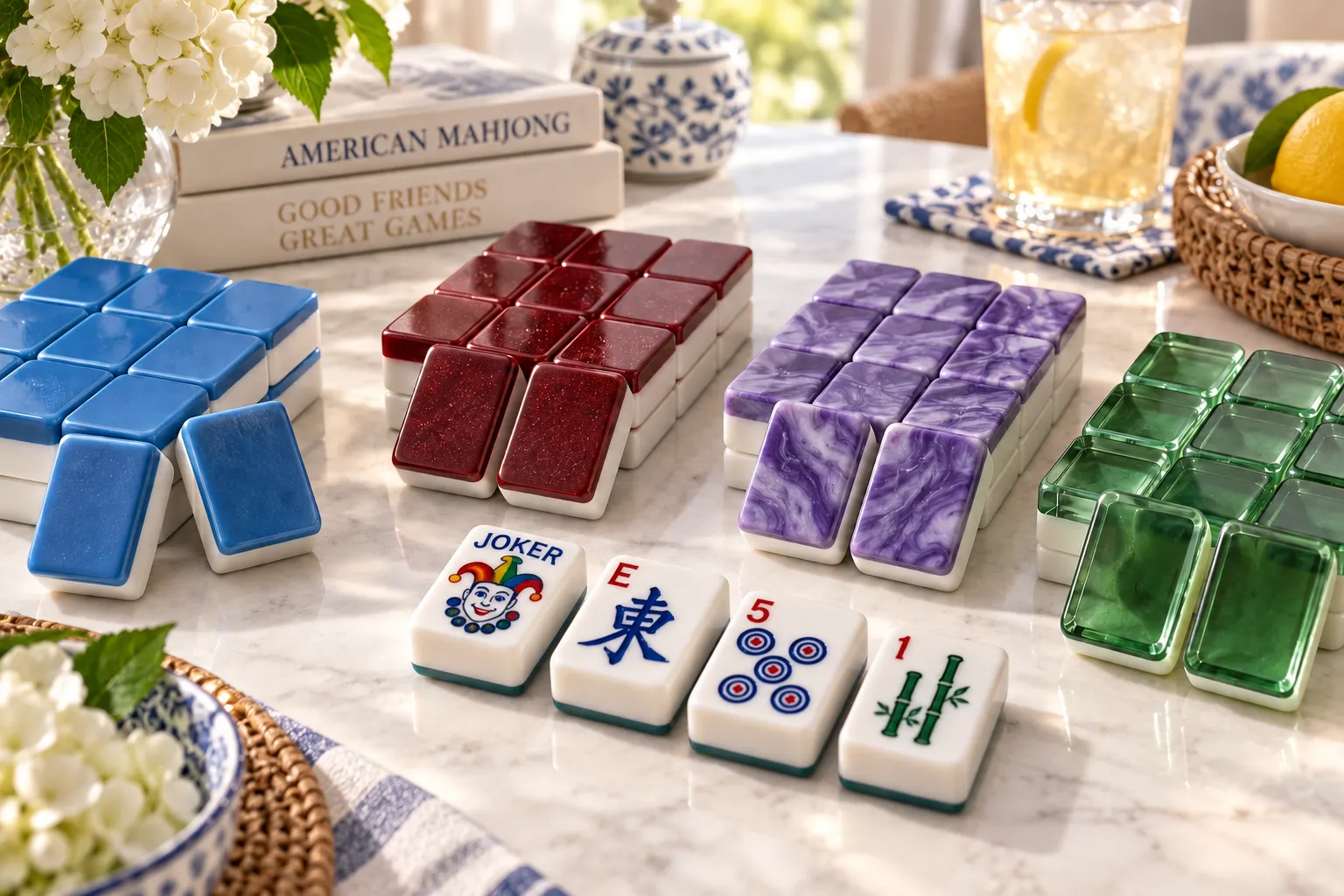
For retailers, distributors and private-label brands, the mahjong tile back is an important part of the final product design.
It affects more than appearance. The tile back can influence branding, tile thickness, weight, rack compatibility, packaging and the overall retail positioning of a Mahjong set.
This guide explains what B2B buyers should consider when choosing a mahjong tile back for wholesale or custom orders.
Why the Mahjong Tile Back Matters
The back of the tile is one of the most visible parts of a Mahjong set when the tiles are face down.
A well-designed mahjong tile back can help:
- Create a stronger visual identity
- Match brand colours
- Differentiate one set from another
- Support premium product positioning
- Coordinate with racks, mats and packaging
For private-label products, the tile back is also a useful place to introduce colour or branding without changing the traditional tile faces too much.
1. Choose Between Solid and Decorative Tile Backs
The first decision is whether the mahjong tile back should be simple or decorative.
Solid Colour Back
A solid colour can create a clean, classic look.
Common choices may include:
- Blue
- Green
- Red
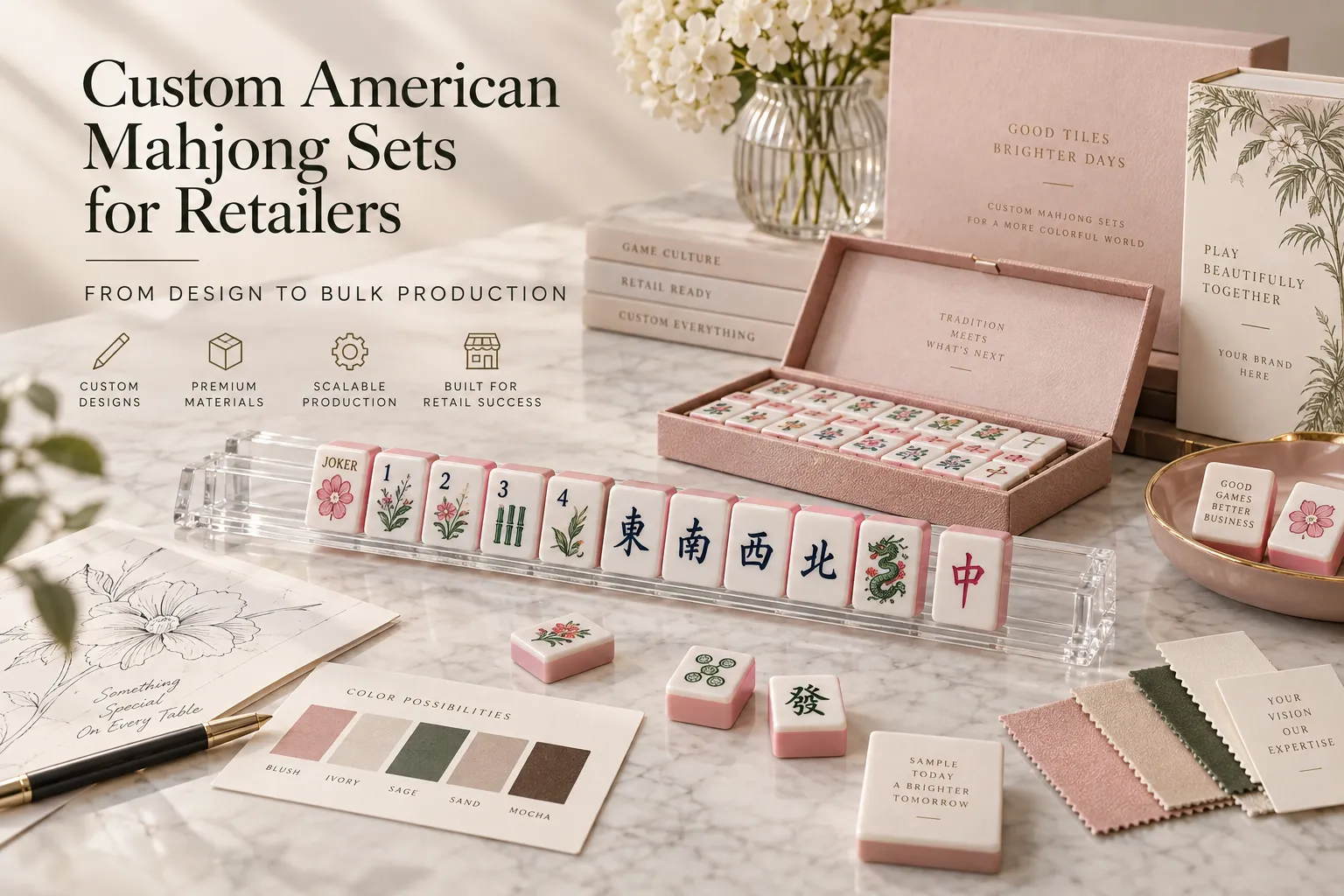
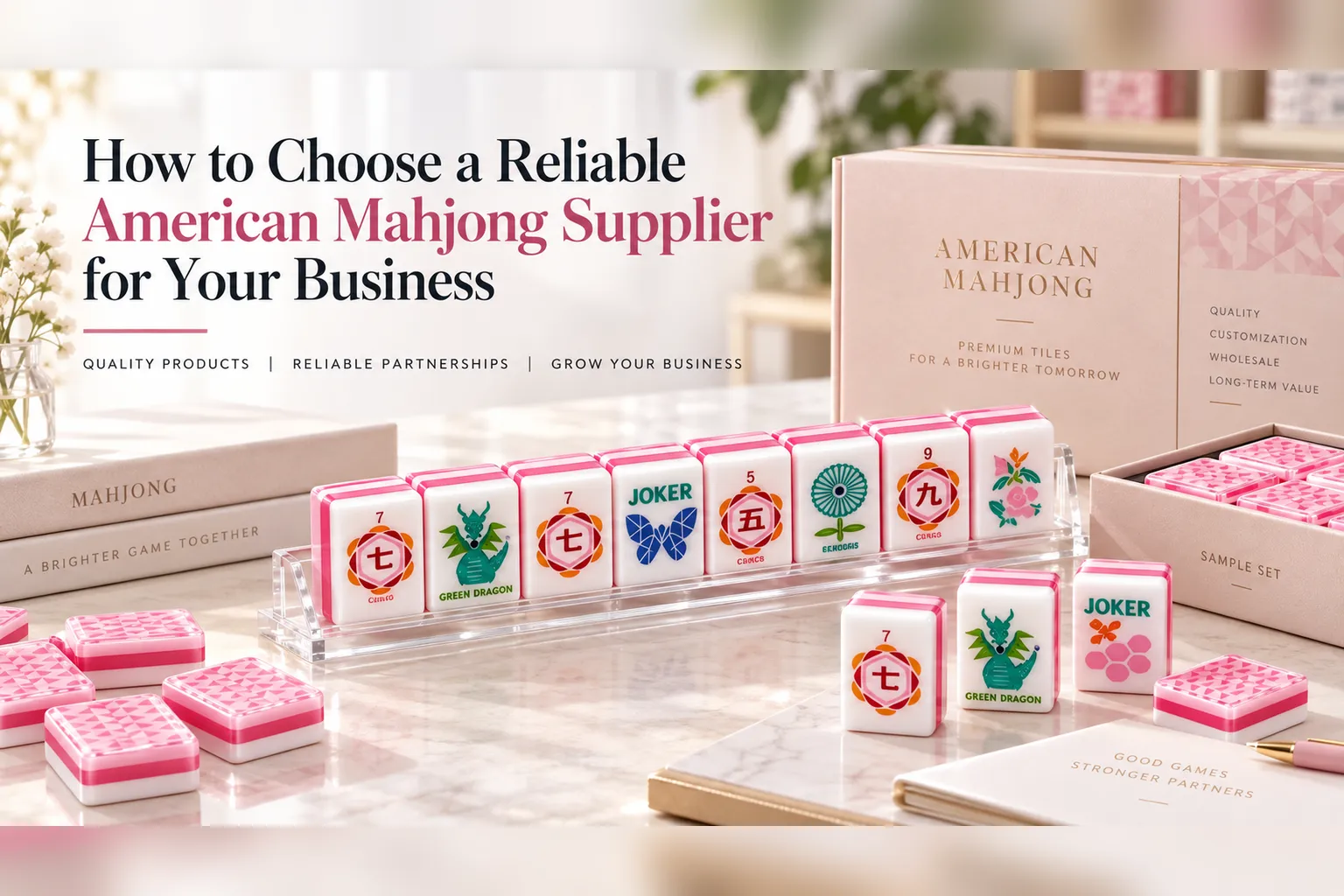
- Pink
- Purple
- Black
- White
Solid colours are often easier to coordinate with accessories and packaging.
Decorative Back
Decorative options may include:
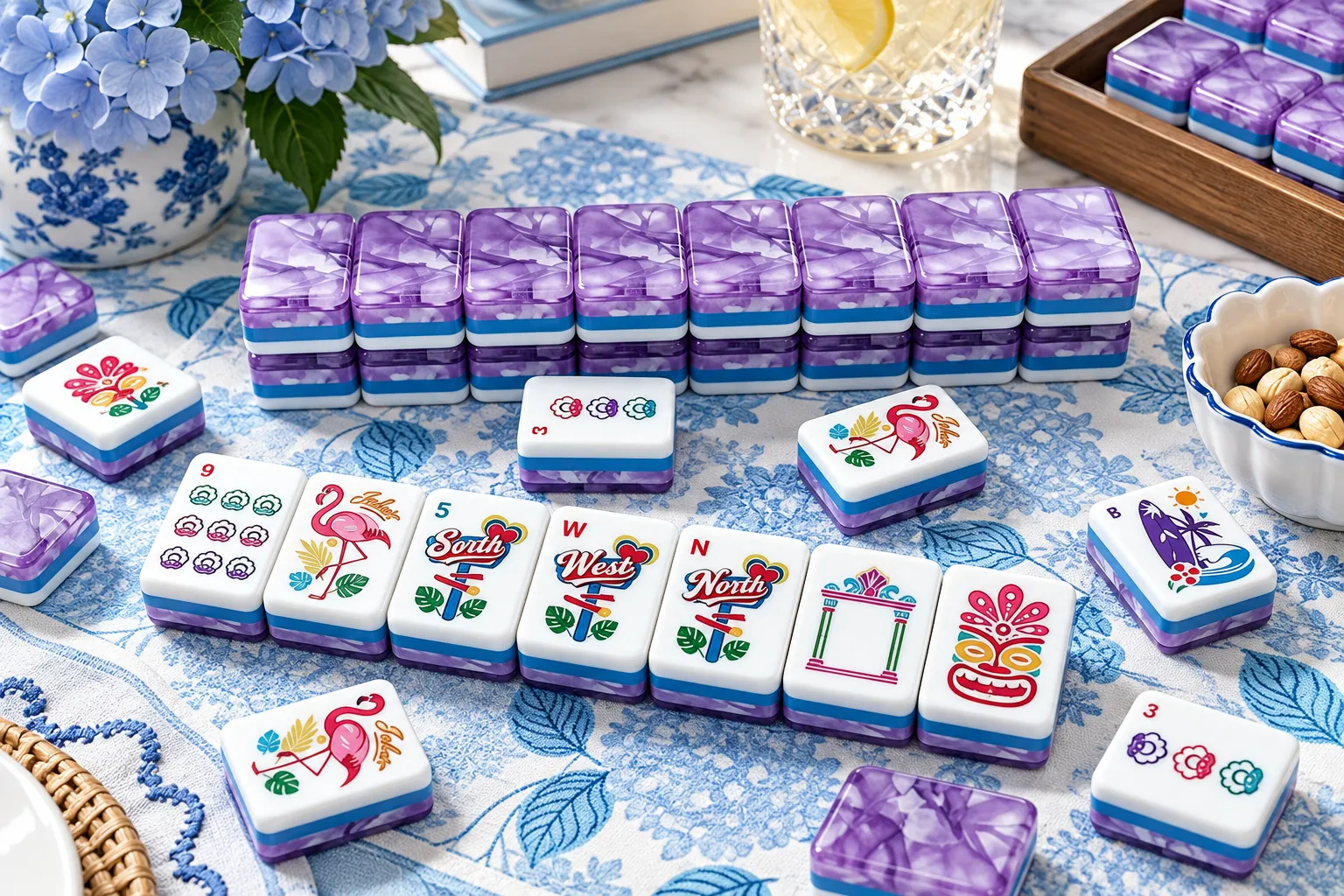
- Marbled patterns
- Transparent effects
- Layered colours
- Printed patterns
- Custom graphics
These can create a more distinctive product.
2. Consider Translucent Tile Backs
A translucent mahjong tile back can give the set a modern or premium appearance.
Possible effects include:
- Clear colour layers
- Frosted surfaces
- Semi-transparent finishes
- Light-catching acrylic effects
However, translucent designs should still look consistent from tile to tile.
Colour variation may become more noticeable when light passes through the material.
3. Consider Marbled Effects
Marbled tile backs can create a unique look because the pattern may vary slightly between pieces.
This can work well for:
- Lifestyle brands
- Gift products
- Premium sets
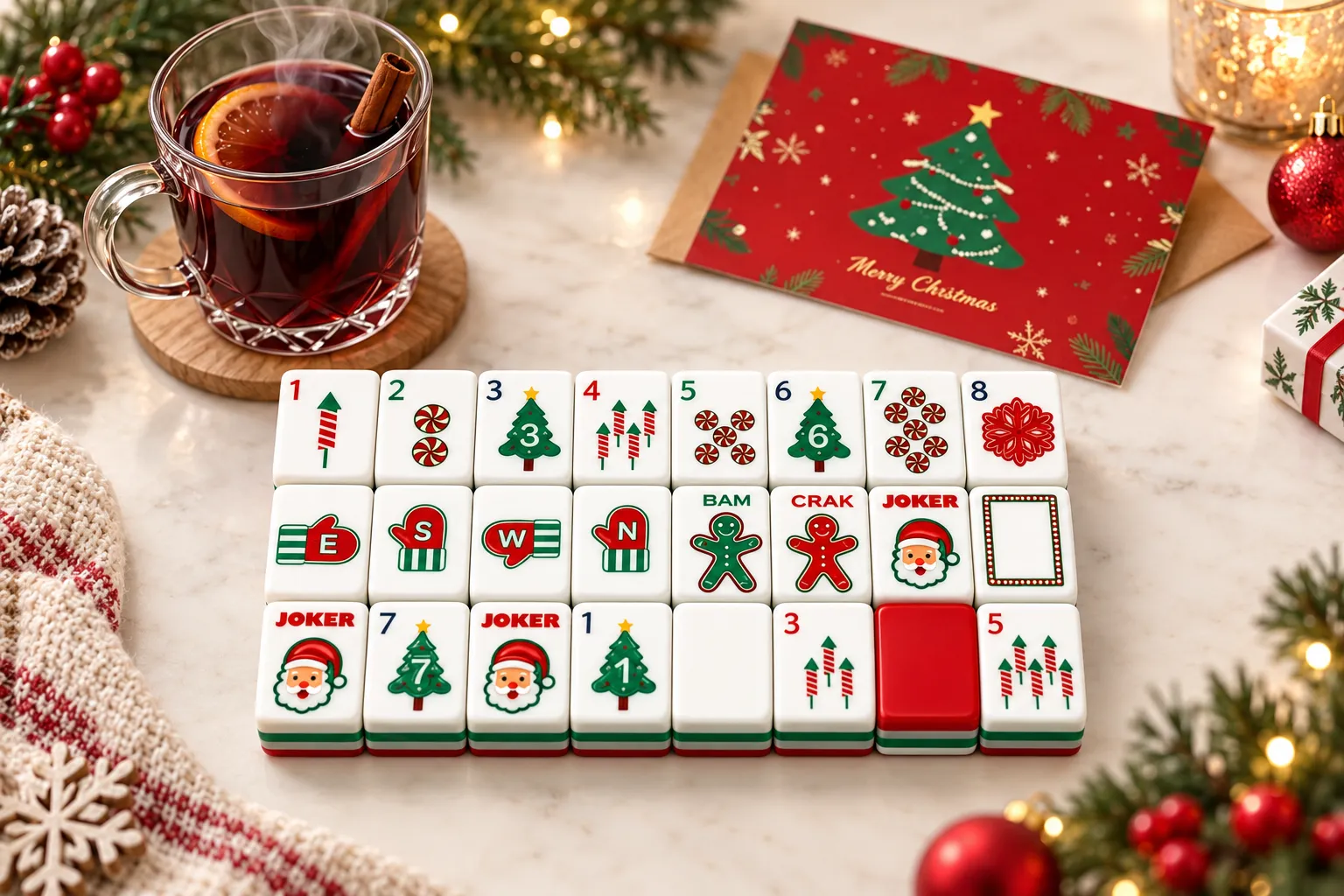
- Seasonal collections
Before approving a marbled mahjong tile back, ask how much variation is expected between tiles.
Some buyers prefer a natural variation, while others want a more controlled appearance.
4. Check Tile Back Thickness
The back layer can affect the total thickness of the tile.
This is important because tile thickness can influence:
- Rack compatibility
- Tile weight
- Storage tray dimensions
- Packaging size
If the mahjong tile back uses an extra acrylic layer or decorative insert, confirm the final total tile thickness rather than measuring only the main tile body.
5. Check the Final Tile Weight
Different tile back materials can change the weight of the finished tile.
A heavier back may make the tile feel more substantial, but it may also increase:
- Complete set weight
- Freight cost
- Carton weight
Wholesale buyers should review the weight of the final sample, not only the raw material specification.
6. Match the Back With the Tile Face
The mahjong tile back should work visually with the front artwork.
For example:
- Traditional tile faces may suit deep red or green backs
- Modern floral artwork may suit pink or blue marbled backs
- Minimal artwork may suit clear or neutral backs
The front and back should feel like parts of the same product.
7. Match the Back With the Target Market
Different markets may prefer different styles.
For example, some American Mahjong customers may enjoy:
- Bright colours
- Marbled backs
- Transparent backs
- Seasonal designs
Other markets may prefer more traditional solid colours.
Wholesale buyers should consider who the final customer is before selecting the mahjong tile back.
8. Coordinate With Mahjong Racks
Tile backs and racks often appear together on the table.
Matching or complementary colours can make the set feel more coordinated.
For example:
- Blue tile backs + clear or blue racks
- Pink tile backs + pink acrylic racks
- Green tile backs + wooden racks
The colours do not need to match exactly, but they should work well together.
9. Coordinate With Mahjong Mats
The mahjong tile back should also look clear against the Mahjong mat.
A dark tile back on a very dark mat may not stand out well.
A good combination provides enough visual contrast while still matching the overall theme.
10. Coordinate With Packaging
Private-label products often look more professional when the tile back colour appears elsewhere in the packaging.
You may repeat the colour in:
- Box artwork
- Carry case lining
- Printed inserts
- Fabric bags
- Labels
This can make the entire collection feel more consistent.
11. Consider Adding a Logo
A custom mahjong tile back may include a logo.
Possible branding approaches include:
- Small centred logo
- Subtle corner logo
- Repeating pattern
- Monogram
- Brand symbol
For gameplay, subtle branding usually works better than a very large logo.
12. Check Logo Visibility
If the tile back is transparent, dark or marbled, the logo needs enough contrast.
Check:
- Logo colour
- Background colour
- Print method
- Size
A logo that looks clear on a computer screen may be harder to see on the physical material.
13. Choose the Right Logo Production Method
Depending on the material, logo application may use:
- Printing
- UV printing
- Laser engraving
- Inlay
- Moulded detail
The best method depends on the design and desired finish.
For custom production, ask which method provides the cleanest result on the chosen mahjong tile back.
14. Use Colour References
If the tile back needs to match a brand colour, provide clear references.
These may include:
- Pantone codes
- CMYK values
- Physical colour sample
- Existing branded product sample
Screen colours can vary, so physical sample approval is important.
15. Check Colour Consistency
During sample review, compare several tiles together.
The mahjong tile back should be reasonably consistent in:
- Colour
- Gloss level
- Transparency
- Pattern
- Edge finish
For marbled or natural-effect backs, some variation may be intentional.
16. Check Surface Finish
Possible surface finishes may include:
- Glossy
- Matte
- Semi-gloss
- Frosted
Glossy backs may look brighter but can show fingerprints and light scratches more easily.
Matte finishes may reduce glare.
The best finish depends on the product style.
17. Check for Scratches
Decorative backs should be inspected carefully.
Look for:
- Surface scratches
- Cloudy areas
- Uneven coating
- Chipped corners
A beautiful mahjong tile back can lose its premium appearance if surface finishing is inconsistent.
18. Check Edge Quality
The join between the tile body and tile back should look clean.
Check:
- Alignment
- Seams
- Glue marks
- Uneven edges
- Gaps
This is especially important for layered construction.
19. Check Back Orientation
If the mahjong tile back includes a logo or directional artwork, orientation must be consistent across all tiles.
A rotated logo on one tile can create a noticeable quality issue.
For this reason, directional tile backs may require more careful production control than non-directional patterns.
20. Consider Non-Directional Patterns
For wholesale production, a non-directional pattern can be easier to manage.
Examples include:
- Marble
- Repeating geometric patterns
- Abstract textures
These designs are less sensitive to rotation during assembly.
21. Think About Gameplay Visibility
The tile back should not accidentally reveal useful information.
All tiles in the set should have backs that look consistent enough that players cannot identify specific tiles from the rear.
This is an important quality-control point.
22. Check Rack Fit After Changing the Back
If you change the mahjong tile back material or thickness, test the tile again with the rack.
A small increase in thickness may affect:
- Groove fit
- Stability
- Viewing angle
Do not assume the previous rack sample will still work perfectly.
23. Check Storage Tray Fit
Tile back changes may also affect how the tiles fit inside trays.
After finalising the back, test:
- Tray width
- Tray depth
- Number of tiles per compartment
This can prevent packaging issues later.
24. Consider Packaging Protection
Glossy or decorative tile backs may require more protection during shipping.
Possible solutions include:
- Soft dividers
- Fabric pouches
- Individual trays
- Protective films
The mahjong tile back should not rub against hard accessories inside the case.
25. Confirm MOQ
MOQ for a custom tile back may depend on:
- Colour
- Material
- Pattern
- Logo
- Printing method
- Tooling
A standard existing colour may have a lower MOQ than a fully custom back.
Wholesale buyers should confirm this before finalising artwork.
26. Understand Customisation Cost
Custom tile backs are usually a paid service.
Additional costs may include:
- Colour matching
- Printing setup
- Logo setup
- Custom material
- Sample development
- Tooling
The more complex the mahjong tile back, the more important it is to confirm all costs before production.
27. Request a Physical Sample
A physical sample is especially important for tile backs because colour and transparency can be difficult to judge on screen.
Check:
- Colour
- Surface finish
- Transparency
- Thickness
- Weight
- Logo
- Edge quality
A physical sample gives a much more accurate impression of the final product.
28. Compare the Sample With the Approved Design
When the sample arrives, compare it with the approved specification.
Check:
- Back colour
- Logo position
- Pattern scale
- Material
- Thickness
- Gloss level
Any changes should be completed before mass production begins.
29. Inspect Tile Backs During QC
Before shipment, quality inspection should include the mahjong tile back.
Check random tiles for:
- Colour consistency
- Scratches
- Orientation
- Surface finish
- Alignment
- Damage
This helps ensure the final set looks consistent.
Mahjong Tile Back Wholesale Checklist
Before placing an order, confirm:
- Back style
- Back material
- Colour
- Transparency
- Pattern
- Logo
- Surface finish
- Final tile thickness
- Tile weight
- Rack compatibility
- Tray compatibility
- Packaging protection
- MOQ
- Sample approval
Working With HUHU Mahjong
HUHU Mahjong works with retailers, distributors, clubs and private-label brands developing Mahjong products for international markets.
Custom projects can include:
- Solid tile backs
- Marbled tile backs
- Transparent tile backs
- Custom colours
- Logo branding
- Matching racks
- Mahjong mats
- Private-label packaging
MOQ and customisation costs depend on the specific design requirements.
Final custom artwork may need to be supplied in Adobe Illustrator .AI format.
Final Thoughts
The mahjong tile back is an important part of both product design and product performance.
Wholesale buyers should consider:
- Colour
- Material
- Thickness
- Weight
- Branding
- Rack compatibility
- Packaging
- MOQ
- Sample quality
A well-designed mahjong tile back can help create a more distinctive product while still maintaining consistent gameplay and production quality.
The best approach is to confirm the material and colour, review a physical sample and test the finished tile with the full set before mass production.
About the Author
HUHU Team
We share industry insights, product knowledge, and manufacturing updates to help global clients better understand mahjong production and OEM solutions.