OEM/ODM MANUFACTURING FOR GLOBAL BRANDS
- View Our Alibaba Store
- info@huhumahjong.com
- +86 13326907761
How to Inspect Mahjong Tiles Before Approving a Wholesale Order
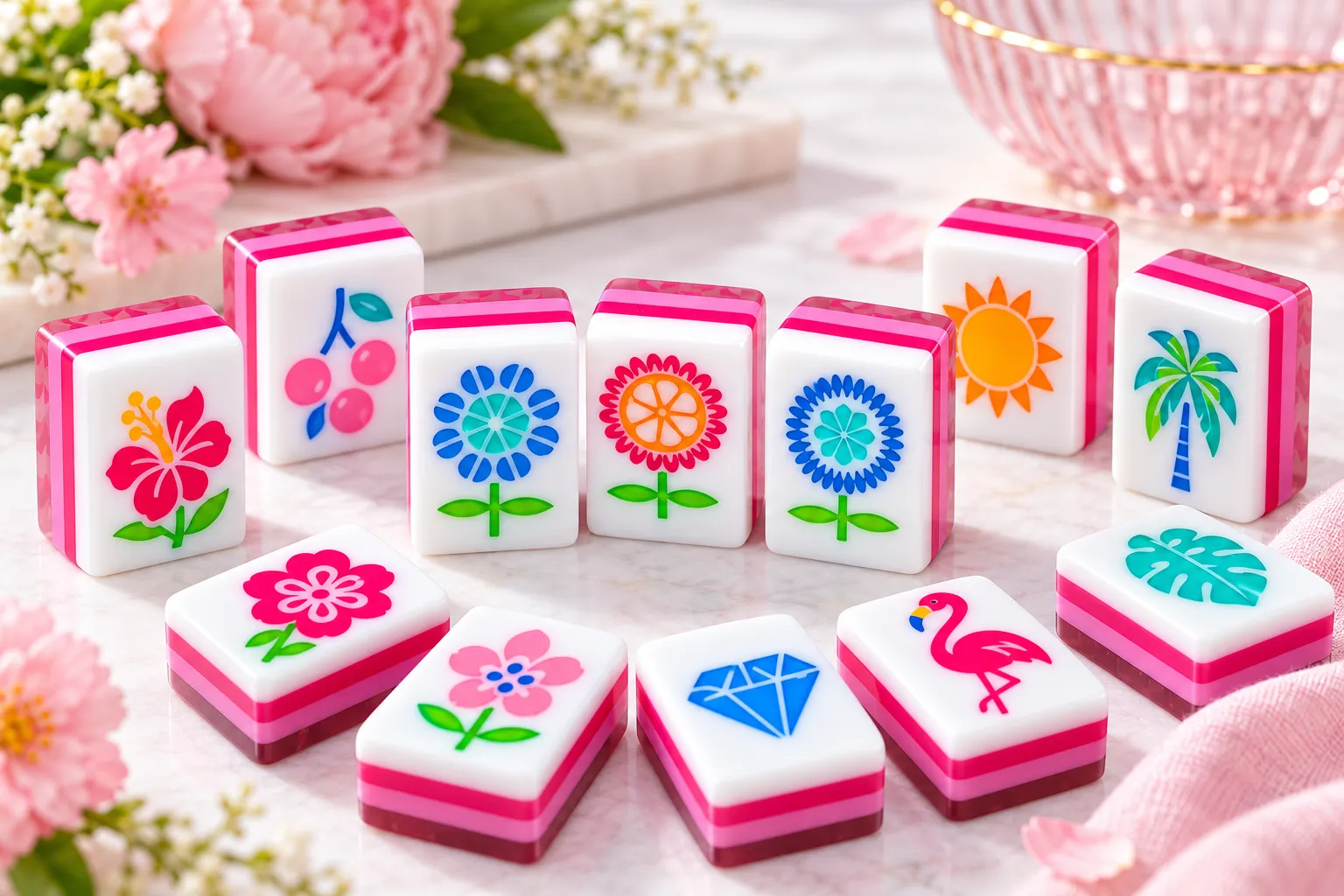
For retailers, distributors and private-label brands, a careful mahjong tile inspection is an important step before approving a wholesale order.
A sample may look correct at first glance, but small problems with tile quantity, artwork, dimensions, colour, finish or packaging can become expensive once mass production begins.
A proper mahjong tile inspection helps buyers identify these issues early and confirm that the final product matches the approved specification.
This guide explains what wholesale buyers should check before approving production or shipment.
Why Mahjong Tile Inspection Matters
A detailed mahjong tile inspection can reduce sourcing risk and help maintain consistent quality across a wholesale order.
Common problems may include:
- Missing tiles
- Incorrect artwork
- Inconsistent dimensions
- Colour variation
- Scratches or cracks
- Incorrect tile backs
- Poor rack compatibility
- Packaging problems
For custom products, inspection is especially important because the physical tiles need to match the approved artwork and sample.
1. Confirm the Complete Tile Quantity
Start by counting the full set.
Check the exact quantity of:
- Dots
- Bamboo
- Characters
- Winds
- Dragons
- Flowers
- Jokers
- Blank tiles
- Spare tiles
Do not assume the quantity is correct just because the packaging looks complete.
A missing tile can affect the usability of the entire set.
2. Check the Tile Configuration
Different Mahjong versions use different tile configurations.
During a mahjong tile inspection, confirm that the set matches the intended market.
For example, American Mahjong may include:
- Jokers
- Flowers
- Racks
- Pushers
- Additional tiles
Chinese, Japanese or other Mahjong versions may require a different configuration.
The final set should match the product specification exactly.
3. Check Mahjong Tile Size
Measure the tiles and compare them with the approved dimensions.
Confirm:
- Height
- Width
- Thickness
All standard tiles should use consistent dimensions.
Size differences can affect:
- Rack fit
- Storage trays
- Packaging
- Handling
- Customer experience
4. Check Thickness Consistency
Place several tiles next to each other.
The thickness should look and feel consistent.
If some tiles are noticeably thicker or thinner, this may affect:
- Rack stability
- Tile alignment
- Storage tray fit
For layered or acrylic designs, thickness should be checked carefully.
5. Check Tile Weight
Weight consistency is another useful part of a mahjong tile inspection.
Compare random tiles from different categories.
Large differences in weight may indicate inconsistencies in:
- Material
- Construction
- Tile back layer
- Manufacturing
You can also confirm the net weight of the complete set.
6. Inspect the Tile Face Artwork
Look closely at the artwork on the front of each tile.
Check:
- Print clarity
- Sharp lines
- Correct colours
- Proper position
- Correct orientation
The artwork should match the approved production file.
7. Check Number Accuracy
For numbered tiles, make sure the number and artwork match correctly.
For example:
- 3 should show three symbols
- 5 should show five symbols
- 7 should show seven symbols
- 9 should show nine symbols
This is particularly important for custom Mahjong artwork.
8. Check Winds
Confirm that all Wind tiles are correct:
- East
- South
- West
- North
If the design includes English letters, make sure they are correct and consistently positioned.
9. Check Dragons
Inspect all Dragon tiles.
Depending on the set, this may include:
- Red Dragon
- Green Dragon
- White Dragon
Check artwork, colour and quantity.
10. Check Flower Tiles
Flower tiles often use more detailed artwork.
During a mahjong tile inspection, review:
- Flower quantity
- Individual illustrations
- Colour
- Labels
- Orientation
Each Flower tile should match the approved design.
11. Check Jokers
For American Mahjong, check the Joker tiles carefully.
Confirm:
- Quantity
- Artwork
- “JOKER” text
- Colour
- Border
- Orientation
Jokers should be easy to recognise and consistent with the overall design.
12. Check Tile Back Colour
Turn several tiles over and compare the backs.
Check:
- Colour
- Pattern
- Transparency
- Marbling
- Surface finish
The backs should be consistent enough that players cannot identify a specific tile from the rear.
13. Check Tile Back Orientation
If the tile back includes a directional:
- Logo
- Pattern
- Text
make sure every tile uses the same orientation.
This is an important mahjong tile inspection point for branded or private-label products.
14. Check Surface Finish
Compare the surface finish across multiple tiles.
The approved finish may be:
- Glossy
- Matte
- Satin
- Frosted
Look for:
- Uneven gloss
- Cloudy areas
- Rough spots
- Different textures
All tiles should have a consistent overall appearance.
15. Check for Scratches
Inspect both the tile face and back.
Look for:
- Deep scratches
- Scuffs
- Surface marks
- Cloudy areas
New wholesale products should not have obvious visible damage.
16. Check for Cracks and Chips
Pay attention to:
- Corners
- Edges
- Layer joints
- Transparent sections
Cracks or chips can become worse during shipping and customer use.
17. Check the Edges
Run your finger around several tile edges.
They should feel:
- Smooth
- Even
- Comfortable
Look for:
- Burrs
- Sharp areas
- Excess material
- Uneven polishing
18. Check Corner Consistency
Corners should have a similar shape across the set.
If some tiles are sharply squared while others are heavily rounded, the set may look inconsistent.
19. Check Printing Alignment
Compare similar tiles side by side.
Look for:
- Off-centre artwork
- Uneven borders
- Shifted numbers
- Different artwork scale
Printing alignment is especially important in custom production.
20. Check Colour Consistency
Compare the same colours across multiple tiles.
Check:
- Red
- Green
- Blue
- Black
- Custom brand colours
A proper mahjong tile inspection should identify obvious colour inconsistencies before shipment.
21. Compare With Approved Artwork
For custom projects, keep the final approved artwork available during inspection.
Compare the physical product with:
- Tile face design
- Logo
- Colour
- Position
- Scale
- Orientation
This helps confirm that production followed the final approved version.
22. Compare With the Approved Physical Sample
If a physical sample was approved before production, use it as your main benchmark.
Compare:
- Size
- Colour
- Weight
- Finish
- Artwork
- Tile back
- Edge quality
For custom products, mahjong tile inspection should always include a comparison with the approved sample.
23. Test Rack Compatibility
If racks are included, place a full row of tiles on the rack.
Check:
- Groove width
- Tile stability
- Viewing angle
- Spacing
Tiles should sit securely without being too tight or too loose.
24. Test Pushers
If pushers are included, check:
- Attachment
- Length
- Movement
- Storage
Pushers should work smoothly and should not interfere with the rack groove.
25. Test Tile Handling
Use several tiles as they would be used during normal play.
Check whether they feel:
- Too slippery
- Too rough
- Comfortable to pick up
- Easy to rearrange
Functional testing should be part of the overall inspection.
26. Check Dice and Small Accessories
A complete mahjong tile inspection should also include related accessories.
Confirm:
- Dice quantity
- Dice markings
- Wind indicators
- Spare tiles
- Small counters or accessories
Missing accessories can still lead to customer complaints even when the tiles are correct.
27. Check Storage Trays
Place the tiles inside the tray.
Check whether:
- Compartments fit correctly
- Tiles are easy to remove
- Tiles do not move excessively
- Trays are not cracked
The tray should protect the product during shipping.
28. Check the Carry Case
If a case is included, inspect:
- Handles
- Zips
- Hinges
- Clasps
- Interior lining
- Compartments
The case should support the full weight of the set.
29. Check Packaging Fit
Pack the complete set exactly as it will be shipped.
Check whether:
- Tiles fit properly
- Racks fit properly
- Pushers fit
- Dice stay secure
- Printed materials remain flat
Nothing should need to be forced into the packaging.
30. Check Printed Packaging
Review all printed packaging carefully.
Check:
- Logo
- Product name
- Colour
- Barcode
- Spelling
- Required product information
For private-label orders, packaging should match the approved artwork.
31. Check Individual Package Dimensions
Confirm:
- Length
- Width
- Height
- Gross weight
This is useful for warehousing, freight and ecommerce fulfilment calculations.
32. Check Master Carton Quantity
Verify:
- Units per carton
- Number of cartons
- Total units
The shipping quantity should match the purchase order.
33. Check Master Carton Condition
Inspect outer cartons for:
- Crushing
- Tears
- Moisture
- Weak sealing
- Damage
Packaging quality is part of the final product quality.
34. Check Master Carton Weight
Very heavy cartons can create handling and damage risks.
Confirm that the carton weight is practical for:
- Loading
- Warehousing
- Delivery
- Inspection
35. Randomly Inspect Multiple Sets
Do not inspect only one sample.
For a larger order, perform a random mahjong tile inspection across multiple cartons.
This gives a better picture of production consistency.
You may inspect samples from:
- Different cartons
- Different pallet areas
- Different production batches
36. Record Defects Clearly
Any defect found during inspection should be documented.
Take clear photos and record:
- Defect type
- Quantity affected
- Location
- Severity
You may classify problems as:
- Cosmetic
- Functional
- Critical
This makes communication with the supplier easier.
37. Confirm Replacement Pieces
Ask whether spare or replacement tiles are available.
This can be useful for:
- Distributor stock
- Customer service
- Damaged pieces
- Missing pieces
For custom products, replacement availability should ideally be considered before production ends.
38. Perform a Final Mahjong Tile Inspection Before Shipment
Before approving shipment, complete one final mahjong tile inspection.
Confirm:
- Tile quantity
- Tile configuration
- Artwork
- Dimensions
- Colour
- Finish
- Tile backs
- Accessories
- Packaging
This final review helps reduce the chance of problems reaching customers.
Mahjong Tile Inspection Checklist
Before approving a wholesale order, check:
- Complete tile quantity
- Tile configuration
- Height
- Width
- Thickness
- Weight
- Artwork
- Numbers
- Winds
- Dragons
- Flowers
- Jokers
- Tile backs
- Surface finish
- Scratches
- Cracks
- Edges
- Corners
- Printing alignment
- Colour consistency
- Rack compatibility
- Pushers
- Accessories
- Storage trays
- Carry case
- Packaging
- Master cartons
Working With HUHU Mahjong
HUHU Mahjong works with retailers, distributors, clubs and private-label brands sourcing Mahjong products for international markets.
Wholesale and custom projects can include:
- Standard Mahjong tiles
- Custom Mahjong tiles
- Custom tile backs
- Custom Jokers and Flowers
- Mahjong racks
- Pushers
- Mahjong mats
- Private-label packaging
For custom orders, final artwork and a physical sample should be approved before mass production.
Final production artwork may need to be supplied in Adobe Illustrator .AI format.
Final Thoughts
A consistent mahjong tile inspection process can help wholesale buyers reduce sourcing risks and maintain product quality.
The most important areas to review are:
- Quantity
- Dimensions
- Artwork
- Colour
- Tile backs
- Finish
- Accessories
- Packaging
For private-label products, always compare the final production with the approved artwork and physical sample.
Completing a thorough mahjong tile inspection before shipment can help identify issues early and improve consistency across future wholesale orders.
About the Author
HUHU Team
We share industry insights, product knowledge, and manufacturing updates to help global clients better understand mahjong production and OEM solutions.