OEM/ODM MANUFACTURING FOR GLOBAL BRANDS
- View Our Alibaba Store
- info@huhumahjong.com
- +86 13326907761
Private Label Mahjong: What Retailers Should Prepare Before Production
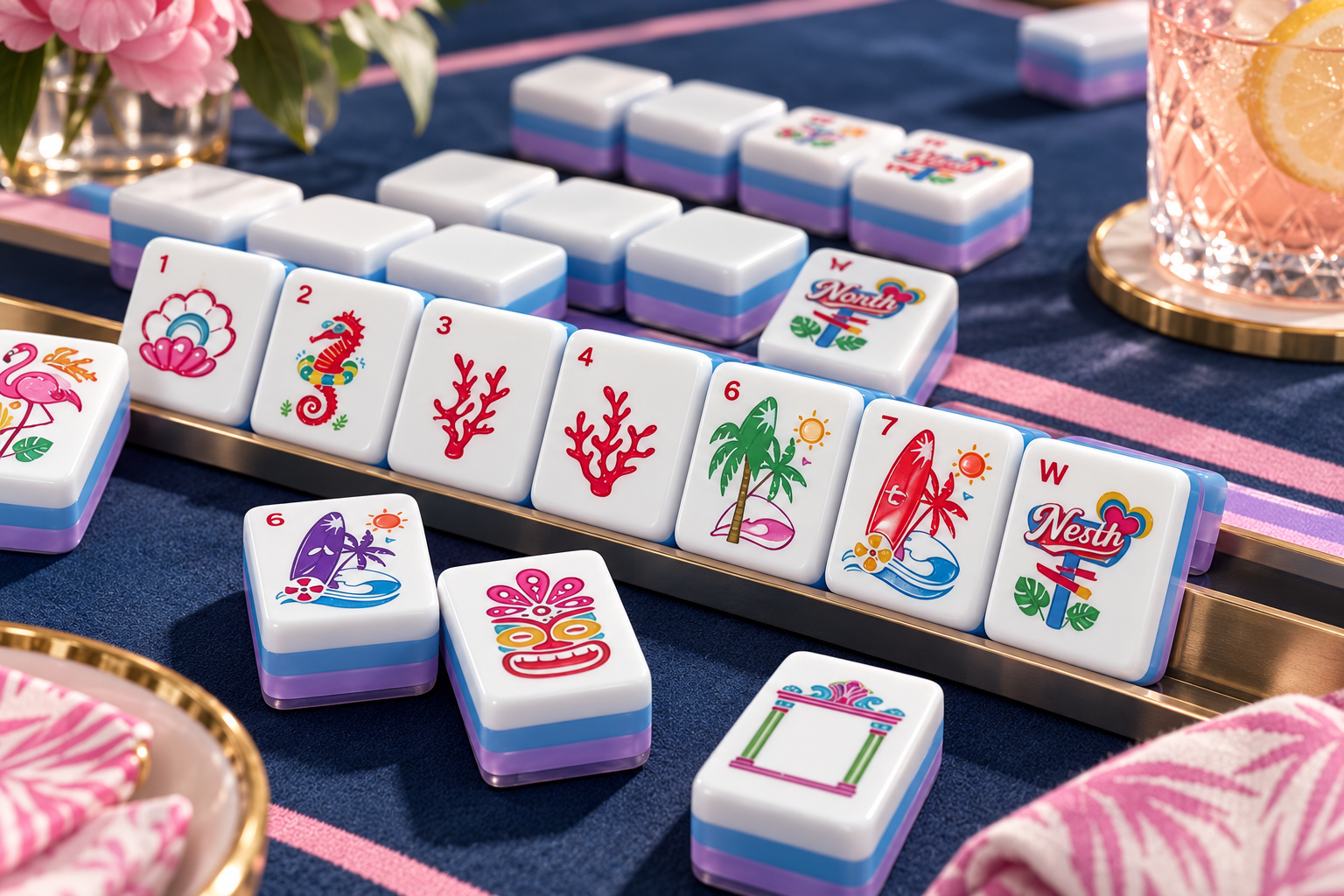
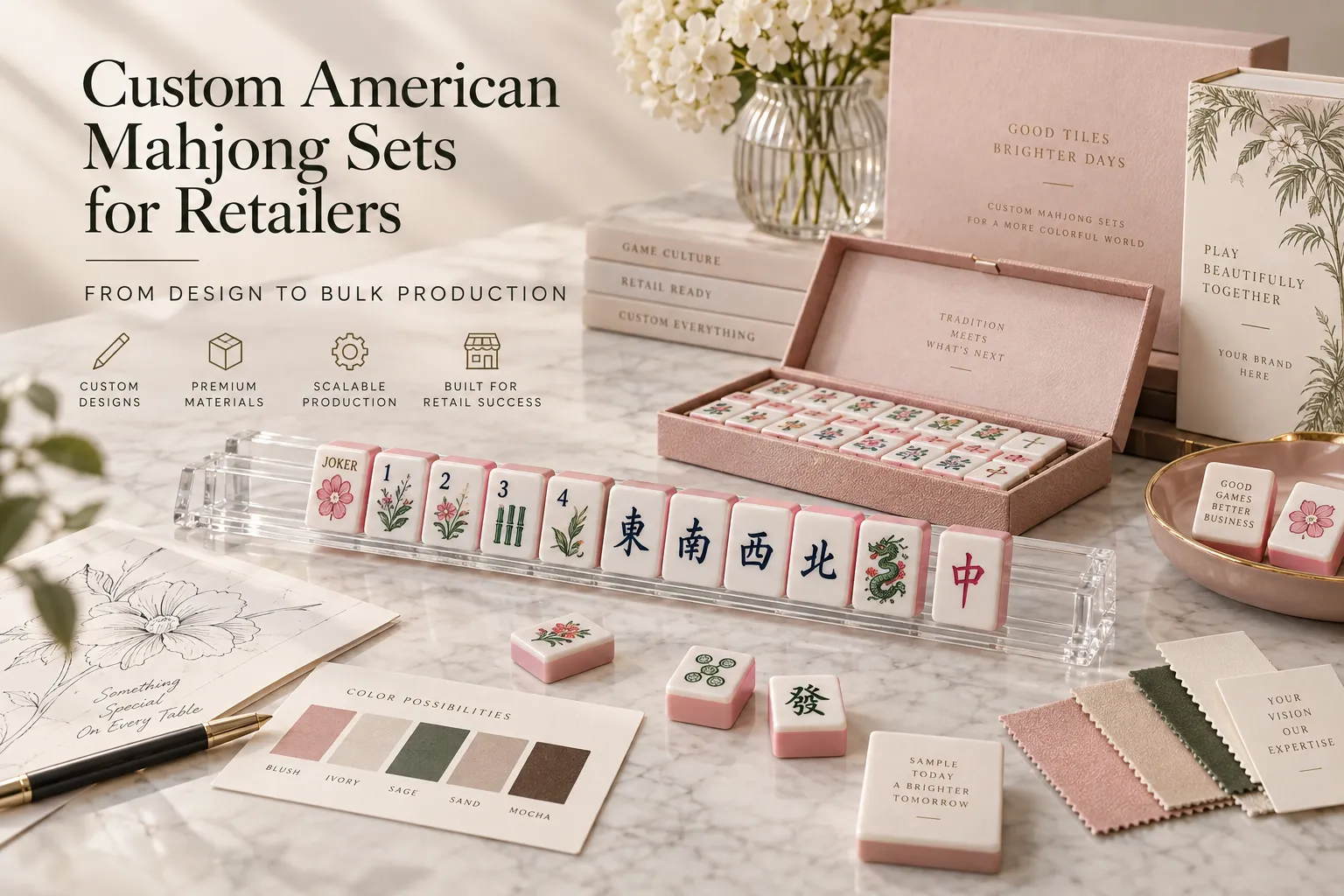
For retailers, distributors and lifestyle brands, launching a private label mahjong product can be a strong way to create a more distinctive retail range.
A private-label project is not simply about adding a logo. Buyers need to confirm tile configuration, artwork, colours, materials, packaging, MOQ, accessories and production details before the product can move into manufacturing.
This guide explains what retailers should prepare before starting a private label mahjong project.
Why Private Label Mahjong Requires Careful Planning
A successful private label mahjong product should balance branding, usability, production cost and retail positioning.
The main decisions usually include:
- Mahjong version
- Tile quantity
- Tile size
- Material
- Artwork
- Tile backs
- Brand colours
- Logo placement
- Accessories
- Packaging
- MOQ
- Sample approval
Confirming these points early can reduce delays and unnecessary revisions.
1. Define Your Product Positioning
Before discussing artwork, decide what kind of product you want to sell.
For example:
- Entry-level set
- Mid-range lifestyle set
- Premium gift set
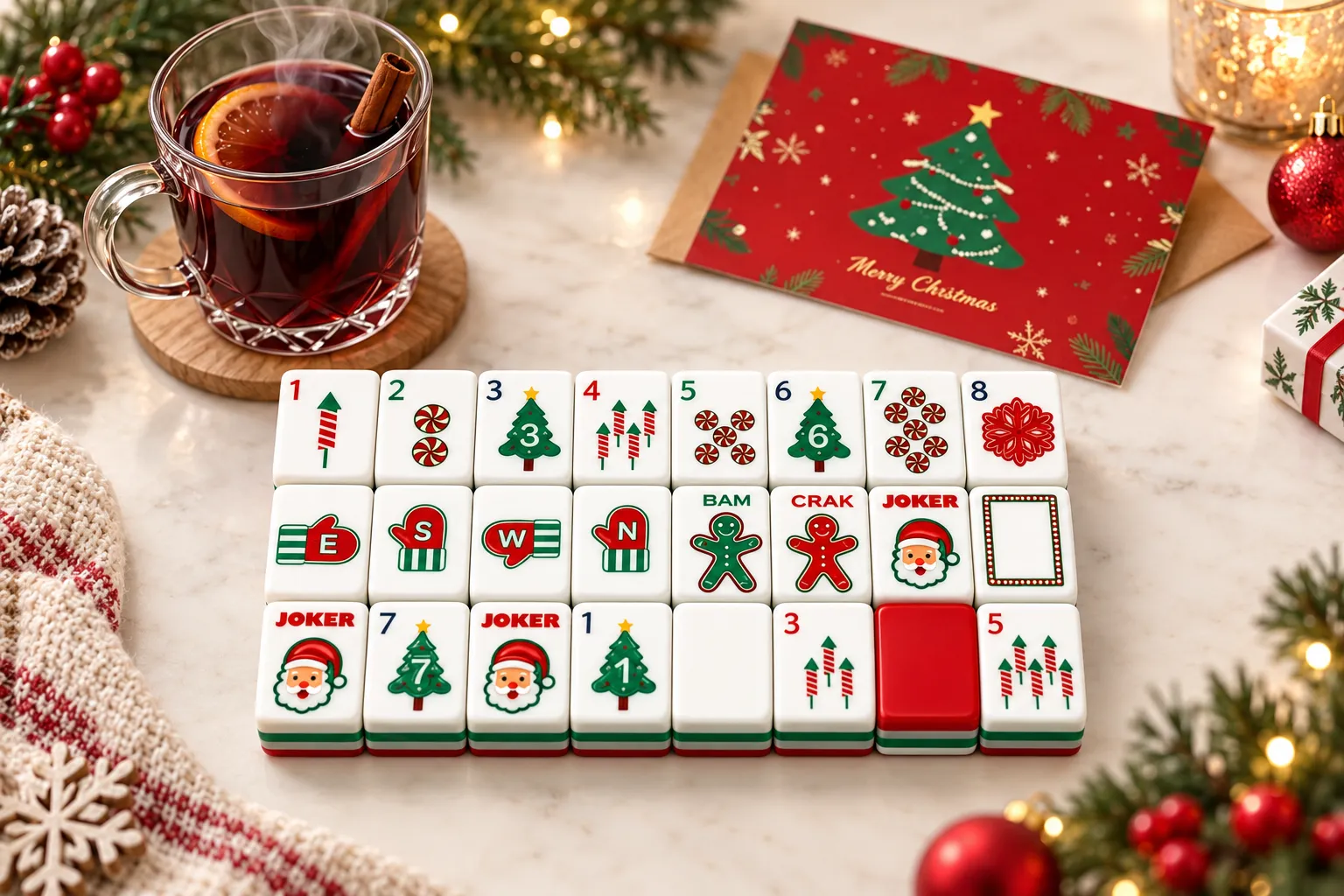
- Seasonal collection
- Club or event product
Your positioning will influence the material, packaging and customisation level of the private label mahjong project.
2. Confirm the Mahjong Version
Different markets play different forms of Mahjong.
Possible versions include:
- American Mahjong
- Chinese Mahjong
- Hong Kong Mahjong
- Japanese Riichi Mahjong
- Taiwanese Mahjong
This decision affects the tile configuration and accessories.
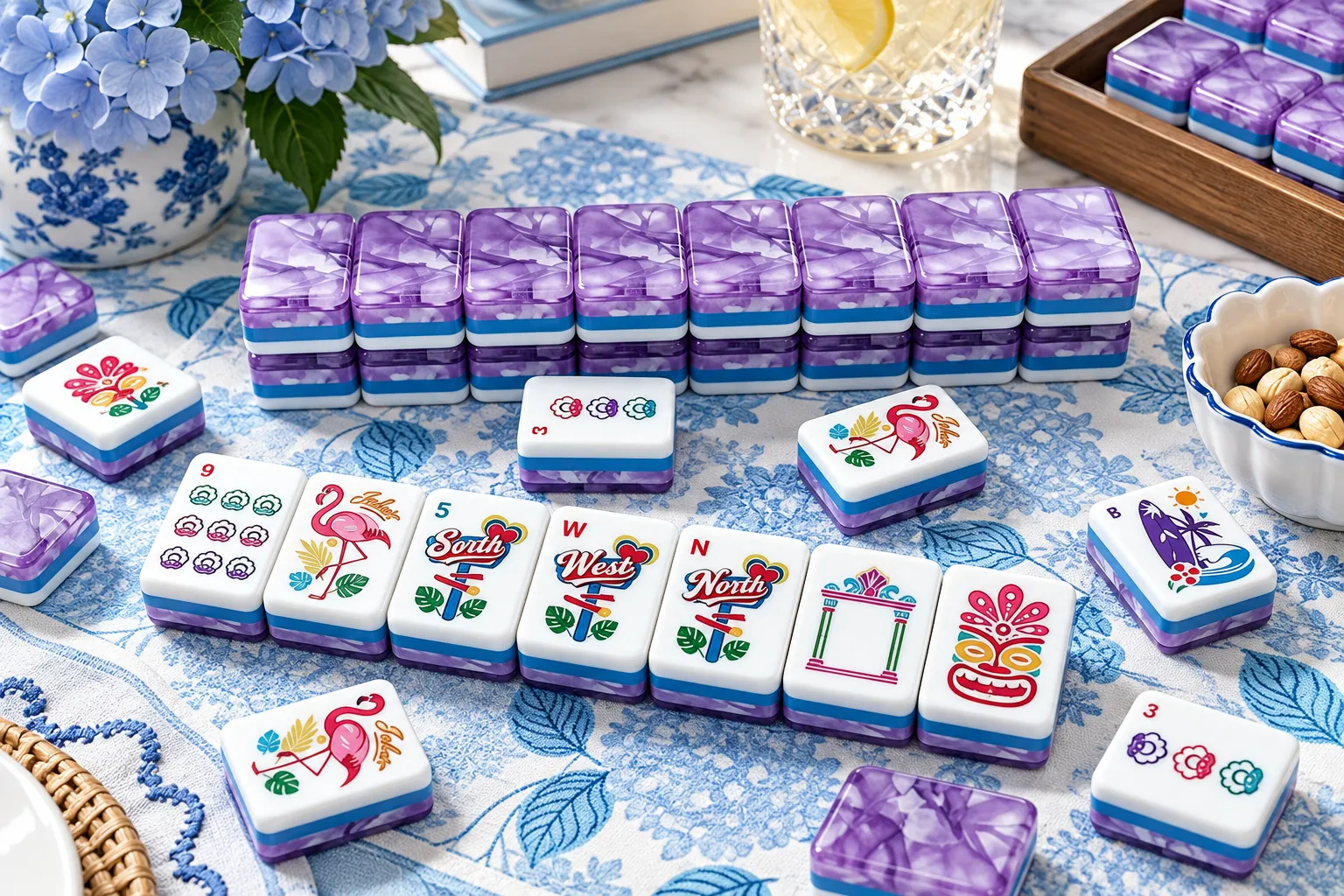
For example, an American Mahjong product may include Jokers, Flowers, racks and pushers.
3. Confirm the Complete Tile Configuration
Prepare a written tile list before artwork begins.
Depending on the game version, the set may include:
- Dots
- Bams
- Craks
- Winds
- Dragons
- Flowers
- Jokers
- Blank tiles
- Spare tiles
For private label mahjong, the exact configuration should be confirmed before sample production.
4. Choose the Tile Size
Confirm the exact:
- Height
- Width
- Thickness
Tile size can affect:
- Artwork layout
- Rack compatibility
- Packaging
- Product weight
- Freight cost
Using an existing factory size can often simplify development and reduce tooling requirements.
5. Choose the Tile Material
Possible material options may include:
- Melamine
- Acrylic
- Resin
The material affects:
- Weight
- Surface feel
- Durability
- Transparency
- Colour
- Finish
The best material for a private label mahjong product should match the intended retail price and customer expectations.
6. Decide the Customisation Scope
Not every project needs full customisation.
Possible levels include:
- Logo only
- Custom tile backs
- Custom Flowers
- Custom Jokers
- Full tile face artwork
- Custom racks
- Custom mat
- Custom packaging
A focused customisation strategy can make the project more efficient.
7. Prepare the Brand Logo
If your logo will appear on the product, prepare a clean vector file.
Possible logo locations include:
- Tile backs
- Jokers
- Racks
- Mahjong mats
- Carry cases
- Packaging
For final production, logo artwork may need to be supplied in Adobe Illustrator .AI format.
8. Define Brand Colours
If your brand uses specific colours, provide clear references.
These may include:
- Pantone codes
- CMYK values
- Existing branded products
- Physical colour samples
Do not rely only on screenshots.
The final colour can look different depending on tile material and finish.
9. Decide Where the Branding Should Appear
Branding should support the design rather than overwhelm it.
A private label mahjong product might use:
- Small logo on the tile back
- Logo on one Joker
- Logo inside the case
- Logo on the retail box
Subtle branding can often create a more premium appearance.
10. Prepare Tile Artwork
Organise the artwork by category.
For example:
- Dots
- Bams
- Craks
- Winds
- Dragons
- Flowers
- Jokers
- Tile backs
Each tile should be checked for:
- Correct number
- Correct symbol
- Colour
- Orientation
- Position
11. Check Number and Symbol Accuracy
Custom tile designs should be reviewed carefully.
For example, if a tile is numbered 8, the artwork should clearly contain eight corresponding symbols where relevant.
For a private label mahjong set, one incorrect tile can affect the usability of the entire product.
12. Outline Fonts
If the design contains text, fonts should normally be outlined before final production.
This helps avoid:
- Missing fonts
- Font substitution
- Layout changes
Check spelling carefully before outlining.
13. Use Clear File Names
Good file organisation reduces confusion.
Examples:
Dots_Final.ai
Flowers_Final.ai
Jokers_Final.ai
Tile_Back_Final.ai
Avoid unclear names such as:
final-new-v2-last.ai
14. Choose the Tile Back Style
Tile backs are an important visual element in a private label mahjong collection.
Options may include:
- Solid colour
- Transparent colour
- Marbled finish
- Layered construction
- Custom pattern
- Logo
The design should remain consistent across the whole set.
15. Choose the Surface Finish
Possible finishes may include:
- Glossy
- Matte
- Satin
- Frosted
The finish can affect:
- Reflection
- Colour appearance
- Fingerprints
- Scratch visibility
- Hand feel
The final finish should be reviewed on a physical sample.
16. Decide Whether Racks Are Included
American Mahjong products commonly include racks and pushers.
If included, confirm:
- Rack length
- Groove width
- Material
- Colour
- Pusher design
The final tiles should be tested with the actual rack before production approval.
17. Coordinate Accessories
Accessories can help strengthen the overall brand identity.
A private label mahjong set may include coordinated:
- Racks
- Pushers
- Dice
- Mahjong mat
- Carry case
However, customising every accessory can increase cost and MOQ.
Choose the items that add the most value.
18. Choose the Packaging Type
Packaging options may include:
- Printed cardboard box
- Rigid box
- Carry case
- Fabric bag
- Wooden presentation box
Packaging should match the target retail price.
A premium product should also feel premium when the customer opens it.
19. Prepare Packaging Artwork Separately
Packaging usually requires a separate artwork file.
Confirm:
- Logo
- Product name
- Colours
- Barcode
- Dieline
- Bleed
- Safe area
- Required text
For a private label mahjong product, packaging artwork should be approved separately from tile artwork.
20. Consider Ecommerce Protection
If the product will be sold online, the retail package must also survive shipping.
Consider:
- Internal movement
- Corner protection
- Outer carton strength
- Moisture protection
Beautiful packaging is not enough if the product arrives damaged.
21. Confirm MOQ Early
MOQ may depend on:
- Material
- Tile colour
- Artwork
- Tile backs
- Packaging
- Accessories
- Tooling
A logo-only project may have a different MOQ from a fully custom private label mahjong set.
Confirm MOQ before spending too much time on detailed artwork.
22. Understand Customisation Costs
Private-label development is normally a paid process.
Possible costs may include:
- Artwork setup
- Colour matching
- Sample development
- Printing
- Engraving
- Tooling
- Custom packaging
A clear specification helps the supplier provide a more accurate quotation.
23. Request a Physical Sample
Before mass production, review a complete physical sample.
Check:
- Tile size
- Tile weight
- Artwork
- Colours
- Tile backs
- Surface finish
- Rack fit
- Packaging
Sample approval is one of the most important stages of a private label mahjong project.
24. Compare the Sample With Brand Guidelines
Do not review only product quality.
Also compare:
- Logo placement
- Colour palette
- Typography
- Packaging style
- Overall visual identity
The finished set should feel like part of the brand.
25. Keep One Approved Sample
After approval, keep the physical sample as the reference for:
- Mass production
- Quality inspection
- Future reorders
- Replacement pieces
A physical reference is often more useful than photos alone.
26. Confirm Production Lead Time
A private-label project may include:
- Artwork preparation
- Sample production
- Revisions
- Mass production
- Inspection
- Shipping
Build enough time into the launch schedule.
Do not assume a custom project will move as quickly as an existing standard product.
27. Plan Product Photography
A private label mahjong launch will usually need its own marketing assets.
Useful images include:
- Full set photos
- Tile face details
- Tile back photos
- Packaging
- Lifestyle scenes
- Accessory photos
These can be used across ecommerce, social media and distributor catalogues.
28. Prepare Product Information
Retail listings should clearly show:
- Tile quantity
- Tile dimensions
- Material
- Included accessories
- Packaging
- Intended game version
Clear product information helps reduce customer questions.
29. Plan Replacement Support
Custom products can be harder to replace later.
Consider ordering spare:
- Jokers
- Flowers
- Numbered tiles
- Custom pieces
during the original production run.
This can make after-sales support much easier.
30. Keep Final Production Files
For future reorders, save:
- Final
.AIfiles - Packaging artwork
- Colour references
- Tile dimensions
- Accessory specifications
- Approved sample information
Keeping these records can make the next private label mahjong order faster and more consistent.
31. Avoid Over-Customising the First Collection
A first launch does not need every possible custom feature.
A practical approach might use:
- Existing tile size
- Existing material
- Custom Flowers
- Custom Jokers
- Custom tile backs
- Branded packaging
This can still create a distinctive private label mahjong product without making the project unnecessarily complicated.
Private Label Mahjong Checklist
Before production, confirm:
- Target market
- Game version
- Tile configuration
- Tile dimensions
- Material
- Artwork
- Logo
- Brand colours
- Tile backs
- Surface finish
- Racks
- Accessories
- Packaging
- MOQ
- Sample approval
- Lead time
- Shipping destination
- Replacement stock
Working With HUHU Mahjong
HUHU Mahjong works with retailers, distributors and brands developing private label mahjong products for international markets.
Projects can include:
- Custom tile faces
- Custom Flowers and Jokers
- Custom tile backs
- Brand colours
- Logo application
- Racks and pushers
- Mahjong mats
- Carry cases
- Private-label packaging
MOQ and pricing depend on the final specification and level of customisation.
Final production artwork may need to be supplied in Adobe Illustrator .AI format.
Final Thoughts
A successful private label mahjong project starts with clear preparation.
Retailers should define:
- Product positioning
- Target market
- Customisation scope
- Branding
- Packaging
- MOQ
- Launch schedule
The goal is not to customise every possible component.
The goal is to create a product that feels distinctive, consistent and commercially suitable for the brand.
With organised artwork, an approved physical sample and clear production records, a private label mahjong collection becomes much easier to manage, inspect and reorder.
About the Author
HUHU Team
We share industry insights, product knowledge, and manufacturing updates to help global clients better understand mahjong production and OEM solutions.