OEM/ODM MANUFACTURING FOR GLOBAL BRANDS
- View Our Alibaba Store
- info@huhumahjong.com
- +86 13326907761
How to Compare Mahjong Samples Before Approving Mass Production
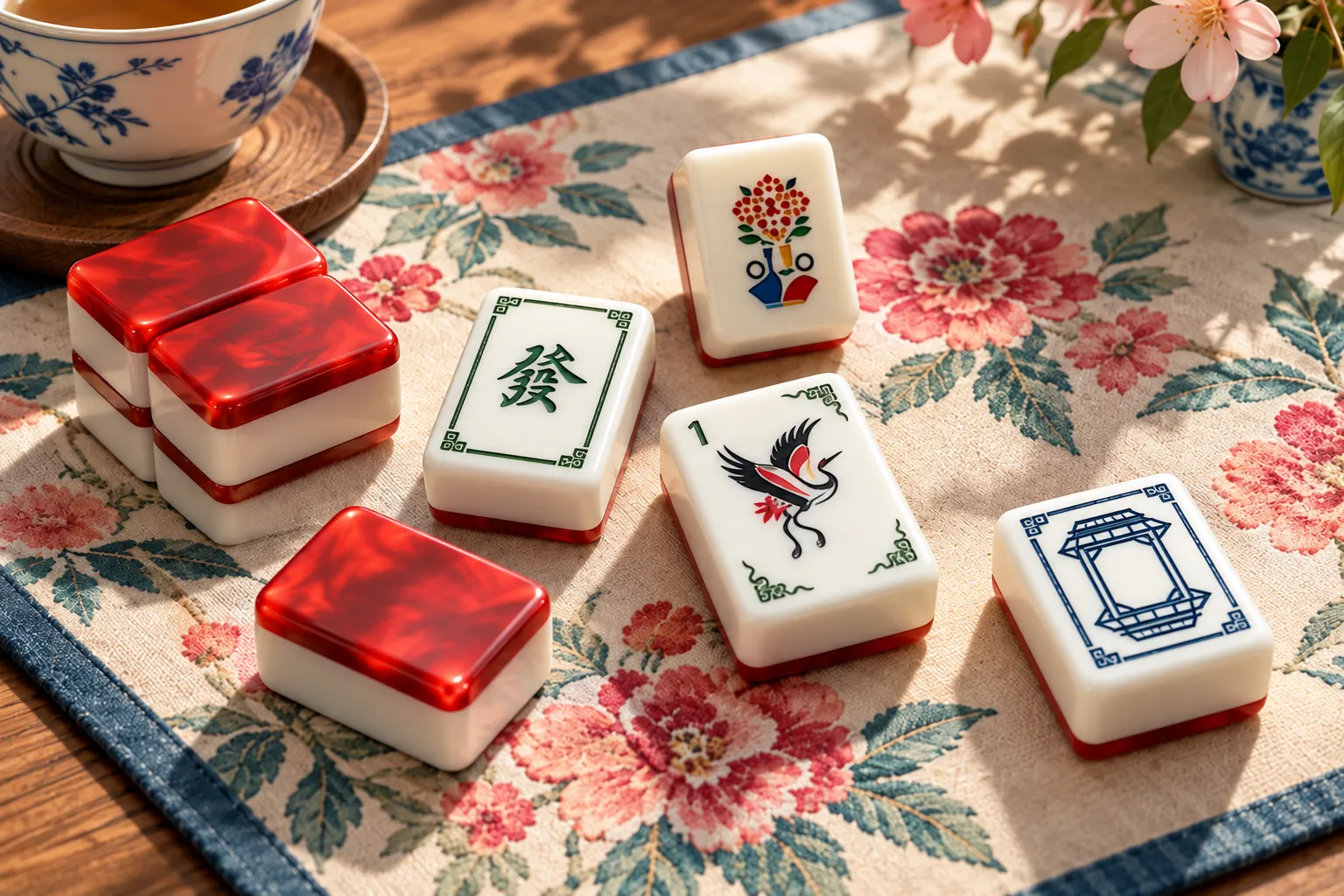
For wholesale buyers, sample approval is one of the most important stages before mass production.
A sample is not only for checking whether the product looks attractive. It should also confirm that the tile size, material, artwork, colour, finish and packaging all match the final order requirements.
A careful Mahjong Sample Approval process can help reduce production mistakes and make large orders much more predictable.
Why Mahjong Sample Approval Matters
Once mass production begins, changes can become expensive or difficult.
A small problem on one sample may become a much larger problem when repeated across hundreds or thousands of sets.
That is why Mahjong Sample Approval should be treated as a formal quality check rather than a quick visual review.
Before approving a sample, buyers should inspect both the product and the packaging carefully.
1. Confirm the Tile Size
Start with the basic dimensions.
Check:
- Height
- Width
- Thickness
Compare the measurements with the specification you originally approved.
If the tiles will be used with racks, make sure the size is compatible.
Even small dimensional differences can affect handling, stacking and packaging.
2. Compare the Tile Weight
Pick up several tiles and compare how they feel.
The weight should feel consistent across the sample set.
If one tile feels noticeably lighter or heavier, ask the supplier to check the reason.
Weight consistency is an important part of Mahjong Sample Approval, especially for premium products.
3. Check the Material
Confirm that the physical material matches what was quoted.
Review:
- Surface feel
- Transparency
- Gloss
- Density
- Layer structure
If you ordered acrylic, melamine or another specific material, the sample should clearly match that requirement.
4. Review Every Tile Face
Do not only check a few attractive tiles.
Look through the entire sample set.
Check:
- Numbers
- Characters
- Bams
- Dots
- Winds
- Dragons
- Flowers
- Jokers
- Blank tiles
Make sure the artwork is complete and suitable for the intended Mahjong market.
5. Check Number and Artwork Accuracy
For custom designs, review every number and symbol carefully.
Look for:
- Incorrect numbers
- Missing details
- Duplicate artwork
- Wrong colours
- Misaligned graphics
- Incorrect text
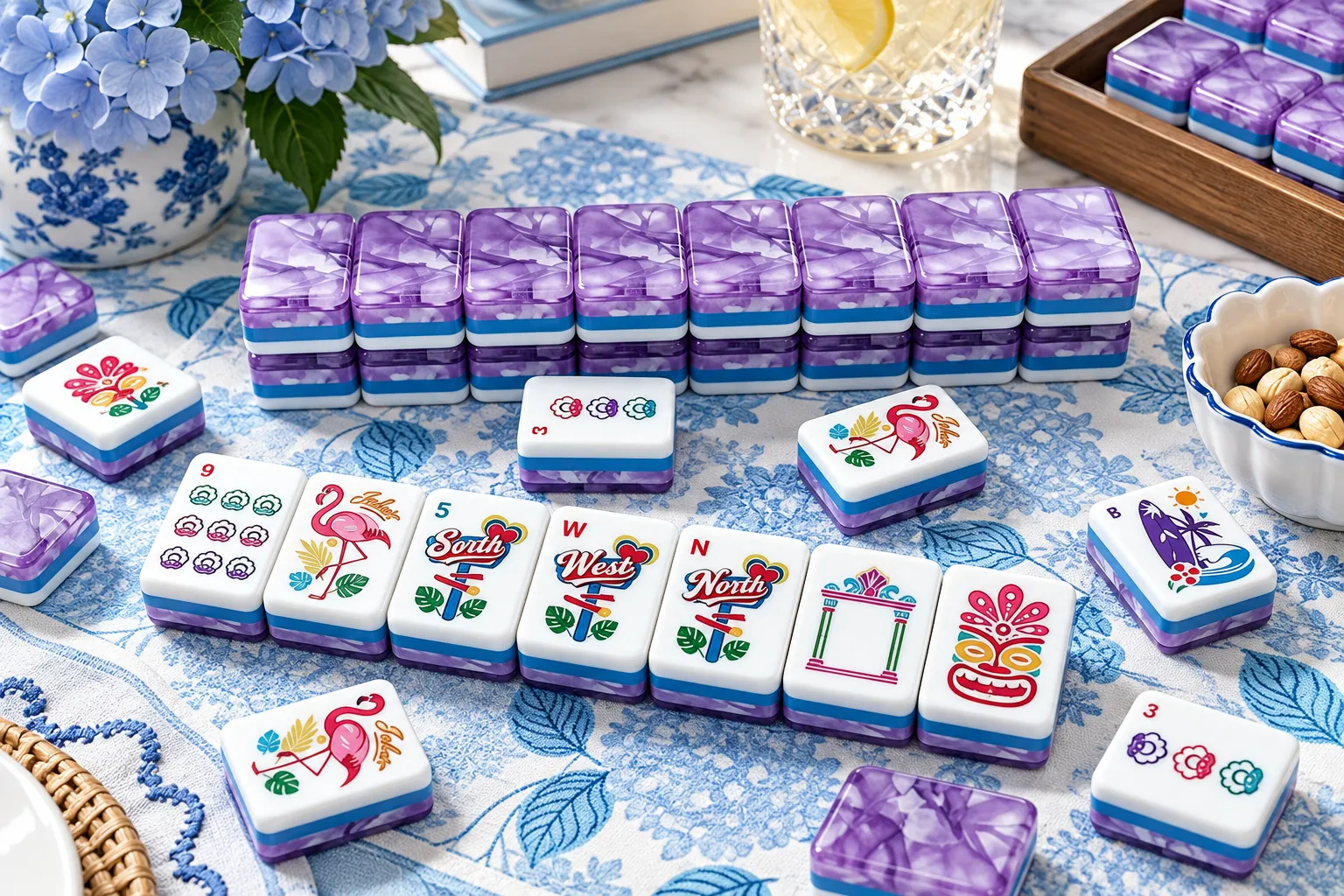
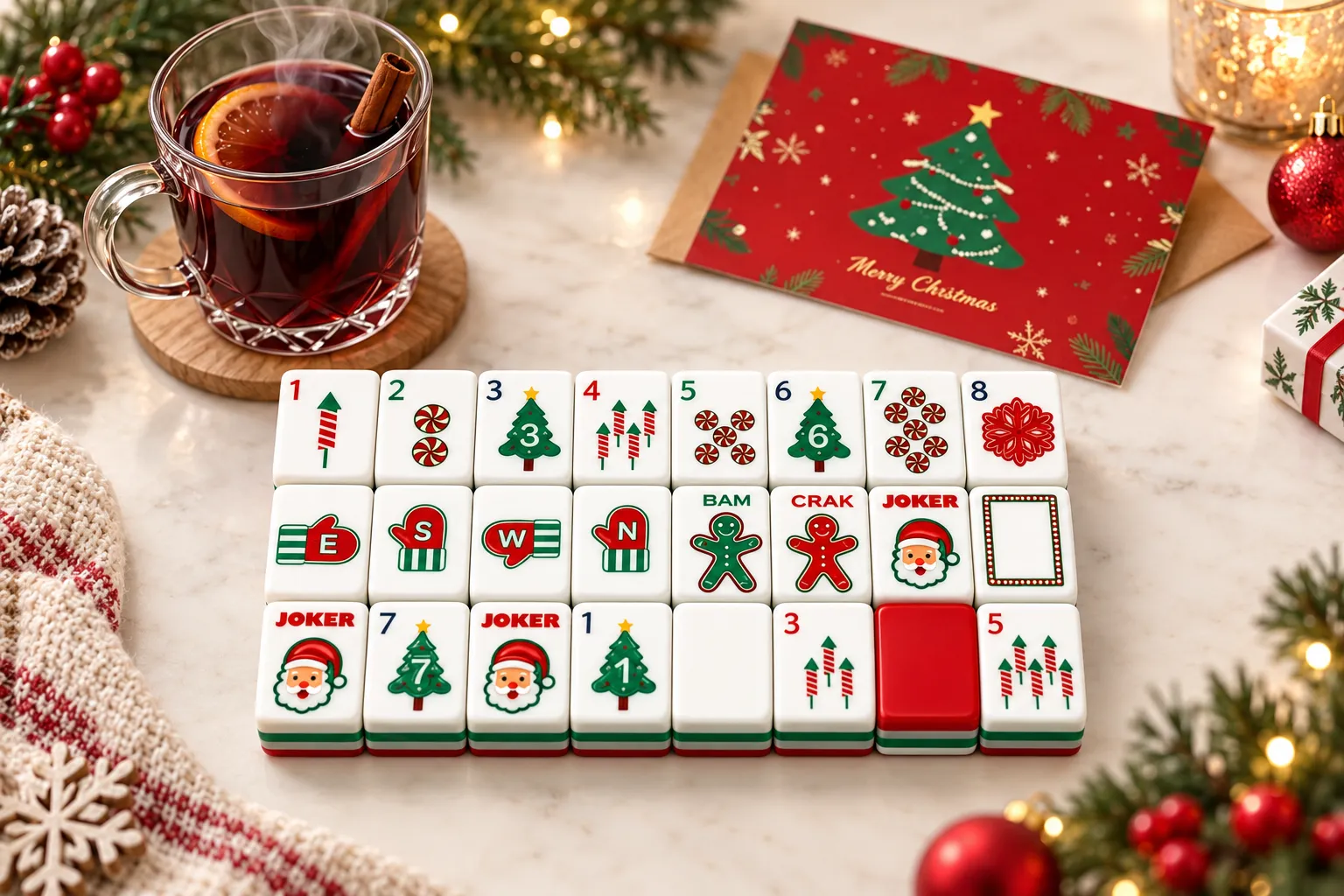
This is especially important for American Mahjong sets, where Joker and Flower designs may vary.
A strong Mahjong Sample Approval process should catch artwork errors before mass production.
6. Compare Colour With the Approved Reference
Colour can look different on screens.
Whenever possible, compare the physical sample with:
- Pantone reference
- Approved colour swatch
- Previous sample
- Existing production sample
Check both the tile face and the tile back.
For layered tiles, inspect each colour layer separately.
7. Inspect the Tile Back
The back is one of the most visible design elements during play.
Check:
- Colour
- Pattern
- Gloss
- Marble effect
- Transparency
- Surface consistency
If the product uses a decorative back, make sure the finish matches the approved design.
8. Check Layer Alignment
For two-layer or three-layer tiles, inspect the side profile.
The layers should look:
- Even
- Straight
- Consistent
- Cleanly joined
Uneven layers can make the product look lower quality.
Layer alignment should be included in every Mahjong Sample Approval checklist.
9. Feel the Edges and Corners
Run your fingers around several tiles.
Check for:
- Sharp edges
- Burrs
- Rough corners
- Uneven polishing
The tiles should feel comfortable to handle.
This matters even more for products intended for regular club or game-night use.
10. Check the Surface Finish
Look at the tiles under good lighting.
Inspect for:
- Scratches
- Dents
- Uneven gloss
- Surface marks
- Printing defects
Move the tile slightly under the light to see whether the finish is consistent.
11. Test Readability
A tile may look beautiful up close but still be difficult to read during play.
Place several tiles on a rack and view them from normal seated distance.
Check whether:
- Numbers are clear
- Suits are easy to recognise
- Jokers stand out
- Flowers are distinct
Good readability should be confirmed during Mahjong Sample Approval, not after the product reaches customers.
12. Check Set Completeness
Count the tiles.
Make sure the sample includes the correct quantity and configuration.
Check:
- Numbered suits
- Winds
- Dragons
- Flowers
- Jokers
- Blanks
- Special tiles
A complete sample helps verify that the production configuration is correct.
13. Review the Packaging
The sample should also confirm how the final product will be packed.
Check:
- Box size
- Internal tray
- Tile arrangement
- Accessories
- Labels
- Barcode position
- Logo
- Printed information
Packaging should protect the product while still being practical for retail and shipping.
14. Test How Securely the Tiles Fit
Gently move the closed package.
The tiles should not shift excessively.
Too much movement can lead to:
- Scratches
- Edge damage
- Broken packaging
- Poor customer presentation
A fitted internal layout can improve shipping protection.
15. Check the Outer Carton if Available
For larger orders, packaging evaluation should include the shipping carton.
Ask about:
- Carton dimensions
- Units per carton
- Gross weight
- Protective materials
This helps buyers estimate freight and storage requirements.
16. Compare the Sample With the Original Quote
Before approval, review the original quotation.
Make sure the sample matches:
- Product specification
- Material
- Size
- Colour
- Packaging
- Accessories
A good Mahjong Sample Approval process connects the physical product back to the commercial agreement.
17. Take Photos of the Approved Sample
Once the sample is approved, take clear photos.
Photograph:
- Front artwork
- Tile backs
- Side profile
- Packaging
- Accessories
These images become useful references for production and future repeat orders.
18. Keep One Approved Sample
If possible, keep one physical approved sample.
This can be used later to compare:
- Mass production
- Reorders
- Colour consistency
- Packaging
- Product finish
For long-term wholesale relationships, an approved physical reference can be extremely useful.
19. Give Feedback in One Clear List
If changes are needed, send the supplier one organised revision list.
For example:
- Change Joker colour
- Increase number size
- Adjust tile back colour
- Correct packaging logo position
- Smooth the edge finish
This is much easier to follow than sending many separate messages.
20. Approve Only When Everything Is Final
Do not approve the sample if important details are still undecided.
Before final Mahjong Sample Approval, confirm:
- Artwork
- Colour
- Material
- Size
- Packaging
- Quantity
- Accessories
Once approval is given, the supplier may begin mass production based on that reference.
A Simple Sample Approval Checklist
Before approving mass production, check:
- Tile dimensions
- Tile weight
- Material
- Artwork accuracy
- Colour
- Tile back
- Layer alignment
- Surface finish
- Edges and corners
- Readability
- Set completeness
- Packaging
- Accessories
- Carton information
- Final specification
This checklist can make Mahjong Sample Approval much more reliable.
Working With HUHU Mahjong
HUHU Mahjong works with wholesalers, retailers, clubs and brands purchasing Mahjong products for international markets.
For custom projects, buyers can review samples before confirming mass production.
A clear Mahjong Sample Approval process helps both the buyer and manufacturer agree on the final product standard before larger quantities are produced.
Final Thoughts
Sample approval should never be rushed.
A careful Mahjong Sample Approval process can help prevent:
- Artwork mistakes
- Colour differences
- Packaging problems
- Size issues
- Quality inconsistencies
For wholesale buyers, spending more time checking one sample can save much more time and money later.
About the Author
HUHU Team
We share industry insights, product knowledge, and manufacturing updates to help global clients better understand mahjong production and OEM solutions.