OEM/ODM MANUFACTURING FOR GLOBAL BRANDS
- View Our Alibaba Store
- info@huhumahjong.com
- +86 13326907761
How to Choose the Right Mahjong Tile Size for Wholesale Orders
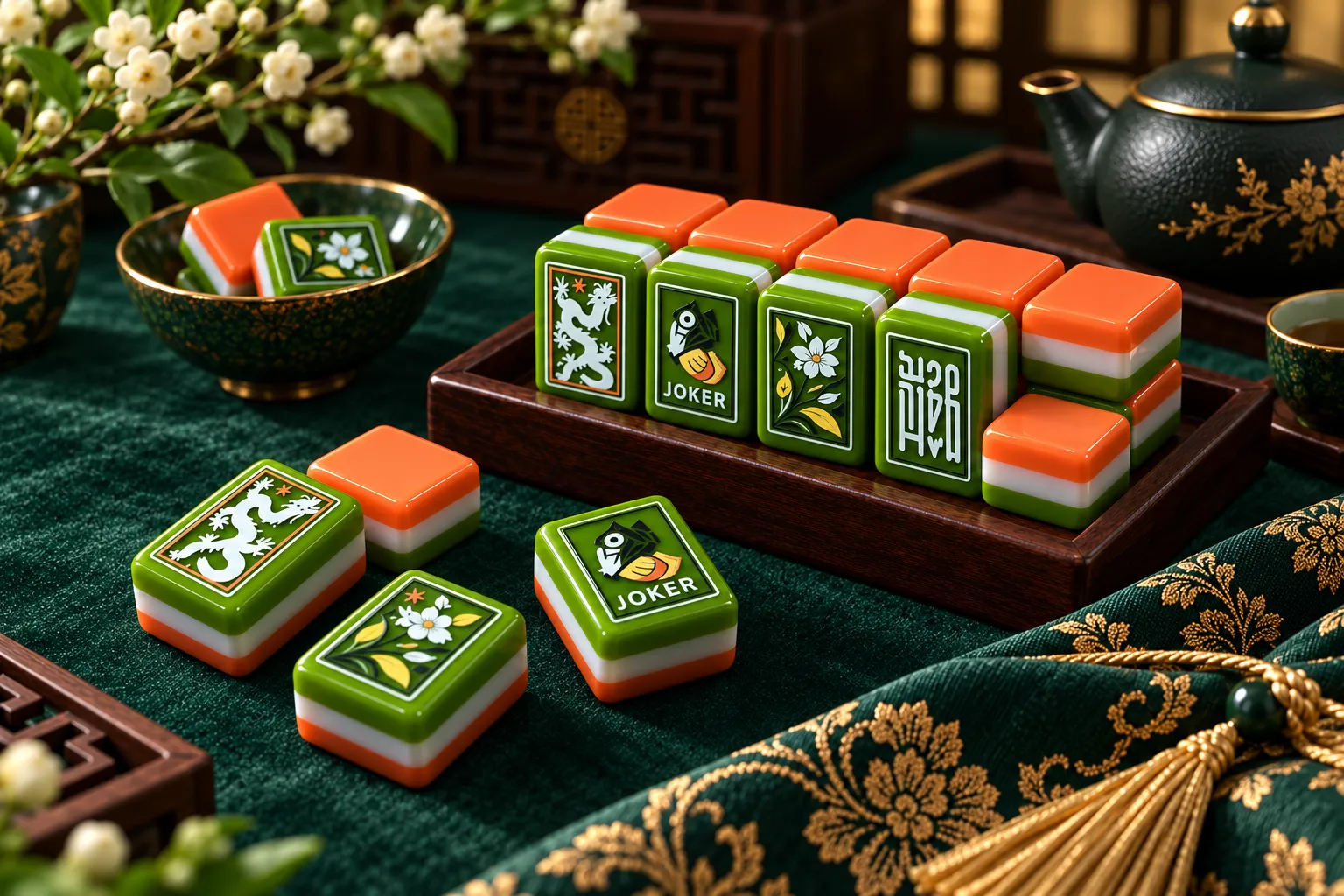
For retailers, distributors and private-label brands, choosing the right mahjong tile size is an important part of sourcing a reliable Mahjong product.
Tile size affects more than appearance. It can influence handling, rack compatibility, packaging dimensions, shipping cost, storage and the overall customer experience.
This guide explains what B2B buyers should consider when selecting mahjong tile size for wholesale orders.
Why Mahjong Tile Size Matters
The mahjong tile size you choose can affect:
- How comfortable the tiles feel in the hand
- Whether they fit standard racks
- How much table space the game requires
- Packaging size
- Carton weight
- Shipping cost
- Retail positioning
A small difference in dimensions can change the feel of the entire set.
For wholesale buyers, it is better to confirm the exact mahjong tile size before requesting a quotation or approving production.
1. Confirm Height, Width and Thickness
Do not describe a tile simply as “small,” “medium” or “large.”
A proper mahjong tile size specification should include:
- Height
- Width
- Thickness
For example:
36 × 25 × 12 mm
or
40 × 30 × 20 mm
The exact dimensions should be written clearly in the product specification sheet.
This helps avoid misunderstandings between the buyer and manufacturer.
2. Different Markets May Prefer Different Sizes
There is no single universal mahjong tile size for every market.
Preferences can vary depending on:
- Mahjong style
- Country
- Customer age group
- Rack use
- Table size
- Retail positioning
American Mahjong buyers may prefer a different tile format from buyers of Chinese Mahjong or Japanese Riichi Mahjong.
Before ordering, consider how your customers are likely to play.
3. American Mahjong Tile Size
American Mahjong sets often use larger, easy-to-read tiles.
Because players commonly use racks, the mahjong tile size should work well with the rack design.
Retailers should check:
- Tile height
- Tile thickness
- Rack groove width
- Viewing angle
- Number of tiles that fit comfortably
If the tiles are too thick, they may not sit properly in the rack.
If they are too small, the overall set may feel less substantial.
4. Chinese Mahjong Tile Size
Chinese Mahjong sets can vary widely in size.
Some customers prefer compact tiles for easy storage, while others prefer larger tiles for a more traditional table experience.
When sourcing Chinese sets, the mahjong tile size should be chosen together with:
- Set quantity
- Case dimensions
- Table size
- Customer preference
For B2B buyers, it is useful to request samples in more than one size if you are unsure which version suits the market.
5. Tile Thickness Affects the Playing Experience
Thickness is often overlooked.
A thicker mahjong tile size can make the tile feel more substantial and easier to stand upright.
However, thicker tiles can also increase:
- Product weight
- Packaging volume
- Freight cost
A thinner tile may be easier to store and ship, but it may feel lighter in the hand.
The best choice depends on your target customer and price point.
6. Rack Compatibility Is Important
If your set includes racks, always test the mahjong tile size with the actual rack.
Check whether:
- Tiles sit securely
- The groove is wide enough
- Tiles remain upright
- The full hand fits comfortably
- Pushers still function correctly
Do not assume that all racks work with all tiles.
This is especially important for American Mahjong products.
7. Mahjong Tile Size and Table Space
Larger tiles require more table space.
This affects:
- Tile walls
- Discard area
- Rack placement
- Player comfort
A large mahjong tile size may work well on a dedicated game table but may feel crowded on a small dining table.
Retailers should think about how customers are likely to use the product at home.
8. Larger Tiles Can Improve Readability
For some customers, larger tiles are easier to read.
This can be useful for:
- Older players
- Beginners
- Social game groups
- Low-light environments
A larger mahjong tile size can provide more space for:
- Numbers
- English letters
- Decorative artwork
- Jokers
- Flowers
- Custom symbols
However, larger does not always mean better.
The tile should still be comfortable to handle.
9. Smaller Tiles Can Be Better for Travel
Compact tiles may be suitable for:
- Travel sets
- Portable Mahjong products
- Smaller tables
- Lightweight gift sets
A smaller mahjong tile size can reduce storage and shipping volume.
This can make sense for ecommerce products where package dimensions affect fulfilment cost.
10. Size Affects Packaging
The dimensions of the tiles directly affect the dimensions of the case or box.
Wholesale buyers should confirm:
- Tile count
- Tile arrangement
- Tray layout
- Internal box dimensions
- External box dimensions
A larger mahjong tile size may require:
- Larger trays
- Larger carry cases
- Stronger packaging
- Larger master cartons
This should be considered before finalising the retail box.
11. Size Affects Shipping Cost
Even if the material stays the same, changing mahjong tile size can increase both weight and volume.
This affects:
- Air freight
- Sea freight
- Courier charges
- Warehousing
- Fulfilment fees
For wholesale orders, buyers should ask for:
- Net weight per set
- Gross weight per set
- Units per carton
- Carton dimensions
before calculating landed cost.
12. Consider the Full Set Weight
A small difference in each tile can become significant across a full set.
For example, a slightly thicker tile multiplied across 150 or more pieces can noticeably increase total weight.
So when comparing mahjong tile size, do not judge only by one sample tile.
Ask for the weight of the complete set.
13. Make Sure All Tiles Use the Same Dimensions
Within one set, all standard tiles should use the same physical dimensions unless the design intentionally requires otherwise.
Check:
- Dots
- Bamboo
- Characters
- Winds
- Dragons
- Flowers
- Jokers
Inconsistent mahjong tile size can make the set feel poorly made and may also create problems during play.
14. Artwork Must Be Designed for the Tile Size
Custom artwork should match the exact tile dimensions.
A design that works on a larger tile may become too small or crowded on a compact tile.
When preparing custom files, buyers should consider:
- Safe area
- Border spacing
- Symbol size
- Number size
- Line thickness
- Colour separation
The final artwork should be reviewed at the actual mahjong tile size, not only on a computer screen.
15. Larger Tile Faces Allow More Detail
If the design includes detailed artwork, a larger mahjong tile size may offer more room.
This can be useful for:
- Illustrated Flowers
- Custom Jokers
- Brand artwork
- Seasonal designs
- Decorative Winds and Dragons
However, too much detail can still reduce readability.
A clean design is usually easier to recognise during play.
16. Consider English Labels
Some markets prefer English or number labels on the tiles.
For example, American Mahjong tiles may include:
- E
- S
- W
- N
- Arabic numerals
The available space depends partly on the mahjong tile size.
Small tiles may require simpler typography, while larger tiles allow more flexible layouts.
17. Request Size Samples Before Mass Production
If possible, request physical samples before confirming the order.
Compare different mahjong tile size options side by side.
Test:
- Grip
- Weight
- Readability
- Rack fit
- Table setup
- Packaging fit
This gives a much better impression than looking at measurements alone.
18. Test the Tiles With Real Accessories
A sample should not be tested in isolation.
Use it with:
- Racks
- Pushers
- Mahjong mat
- Storage tray
- Carry case
A mahjong tile size that looks good by itself may not work properly with the rest of the product.
19. Include Tile Size in the Specification Sheet
For wholesale orders, the final specification sheet should clearly list:
- Height
- Width
- Thickness
- Material
- Weight
- Surface finish
Do not leave mahjong tile size only in email messages or chat history.
It should appear in the final approved production document.
20. Keep Size Consistent Between Sample and Production
After approving the sample, mass production should match the approved dimensions.
During quality inspection, buyers can check:
- Random tile measurements
- Thickness
- Overall set weight
- Rack compatibility
This helps make sure the final mahjong tile size remains consistent.
21. Consider Retail Positioning
Different sizes can support different product positions.
Entry-Level
Compact, practical tiles with simple packaging.
Standard
Balanced size with good readability and comfortable handling.
Premium
Larger or heavier tiles with upgraded materials and packaging.
The chosen mahjong tile size should match the expected retail price and customer experience.
22. Travel Sets Need Different Priorities
For travel products, portability may be more important than a premium heavy feel.
A smaller mahjong tile size can help reduce:
- Bag size
- Product weight
- Storage space
This can make the set easier to carry.
23. Club and Social Sets May Benefit From Larger Tiles
Mahjong clubs or social groups may prefer larger tiles because they can be easier to see across the table.
When supplying clubs, consider:
- Readability
- Durability
- Table size
- Frequency of use
A larger mahjong tile size may provide a more comfortable experience for repeated group play.
24. Custom Tile Size May Affect MOQ
If you are using a standard factory tile mould, MOQ may be lower.
A completely custom mahjong tile size may require:
- New tooling
- Higher MOQ
- Additional development cost
- Longer lead time
This should be discussed before artwork is finalised.
25. Custom Size Can Increase Development Cost
Changing tile dimensions is not always a simple artwork adjustment.
It may affect:
- Moulds
- Trays
- Racks
- Boxes
- Carry cases
- Shipping cartons
So if you want a non-standard mahjong tile size, ask for a full development quotation rather than only a tile price.
Questions Wholesale Buyers Should Ask
Before placing an order, confirm:
- What tile sizes are available?
- Which size is most common for the target market?
- Does the size fit standard racks?
- What is the complete set weight?
- Does the size affect MOQ?
- Does it require new tooling?
- What packaging is recommended?
- Can a physical sample be provided?
These questions can help reduce costly changes later.
Working With HUHU Mahjong
HUHU Mahjong works with retailers, distributors, clubs and private-label brands sourcing Mahjong products for international markets.
Buyers can discuss:
- Mahjong tile size
- Tile material
- Custom artwork
- Tile backs
- Racks
- Packaging
- MOQ
- Sample development
For custom projects, the exact dimensions should be confirmed before final artwork and production approval.
Final Thoughts
Choosing the right mahjong tile size is an important sourcing decision.
Wholesale buyers should consider more than appearance.
The final size can affect:
- Comfort
- Readability
- Rack compatibility
- Packaging
- Shipping cost
- Product positioning
The best approach is to define the dimensions clearly, test a physical sample and confirm compatibility with the full set before mass production.
A well-chosen mahjong tile size can improve both the playing experience and the commercial performance of the final product.
About the Author
HUHU Team
We share industry insights, product knowledge, and manufacturing updates to help global clients better understand mahjong production and OEM solutions.