OEM/ODM MANUFACTURING FOR GLOBAL BRANDS
- View Our Alibaba Store
- info@huhumahjong.com
- +86 13326907761
Mahjong Tile Weight: What Buyers Should Know
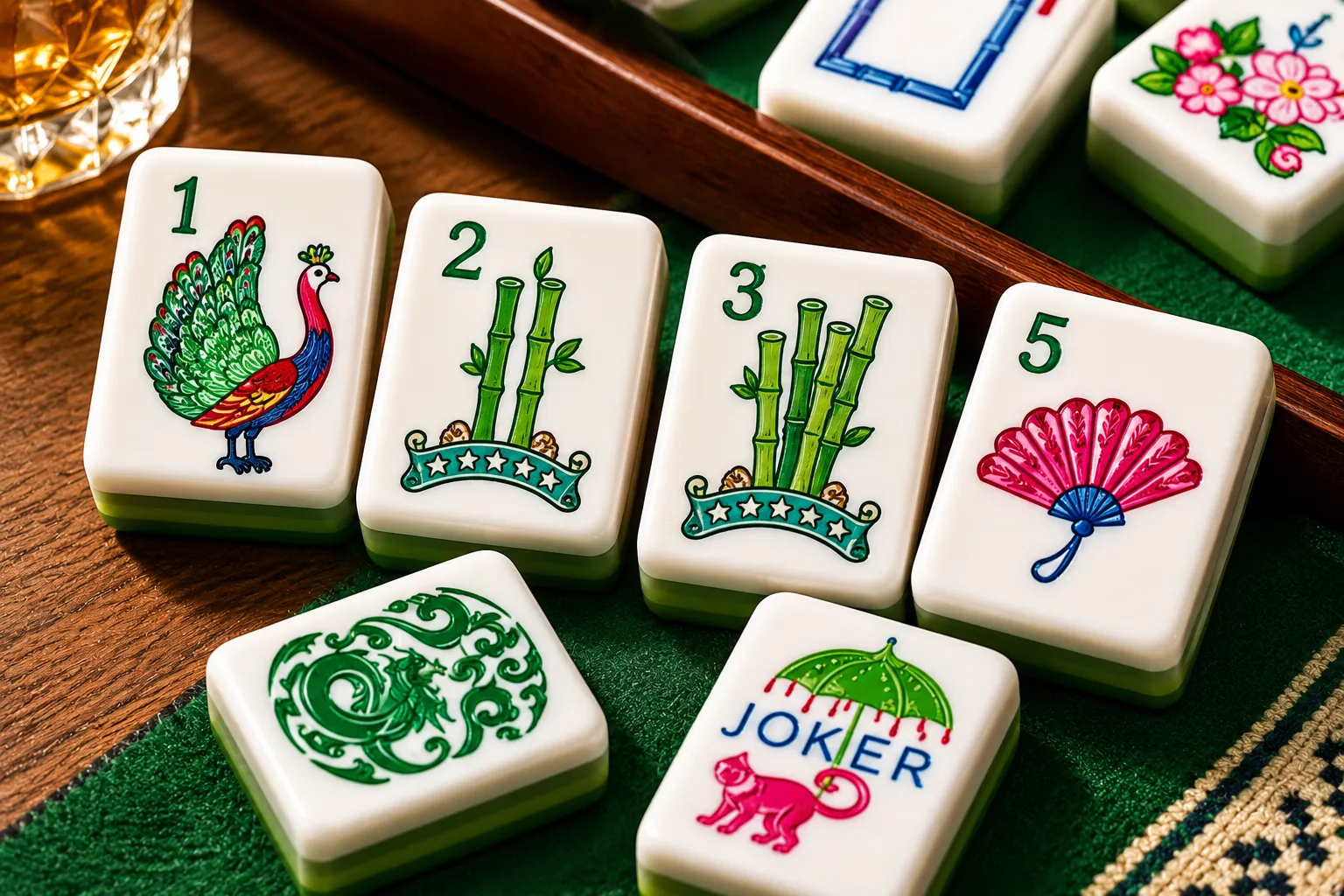
The way a Mahjong tile feels in the hand is influenced by more than size and material. Mahjong Tile Weight also plays an important role in handling, gameplay and the overall customer experience.
For brands, retailers and clubs sourcing Mahjong products, understanding tile weight can help when comparing different product styles and deciding which type of Mahjong set best suits the target market.
Some customers prefer lighter tiles that are easier to move, while others enjoy a more substantial feel during play.
This guide explains what affects Mahjong Tile Weight and what buyers should consider when selecting Mahjong products.
Why Mahjong Tile Weight Matters
Mahjong is a tactile game.
Players constantly:
- Pick up tiles
- Arrange them
- Shuffle them
- Build walls
- Move them across the table
Because of this, Mahjong Tile Weight directly influences how the product feels during normal gameplay.
A well-balanced tile should feel comfortable without being unnecessarily heavy.
What Determines Mahjong Tile Weight?
Several factors can influence the final weight of a Mahjong tile.
These include:
- Material
- Tile dimensions
- Thickness
- Layer structure
- Product construction
- Decorative elements
This means two Mahjong tiles with similar dimensions may still feel different.
For buyers, Mahjong Tile Weight should therefore be considered together with size and material rather than as a separate specification.
1. Material Has a Major Influence
Different materials have different densities.
As a result, they can create different weight and handling characteristics.
For example, depending on the construction, acrylic and melamine tiles may feel different even when their dimensions are similar.
When comparing Mahjong Tile Weight, buyers should consider whether the material supports the intended playing experience.
The goal is not always to choose the heaviest option.
The right material should suit the customer and product positioning.
2. Tile Size Affects Overall Weight
Larger tiles generally contain more material, which usually increases weight.
However, size alone does not determine the final result.
A large tile made from one material may still feel lighter than a smaller tile produced using a denser construction.
This is why Mahjong Tile Weight should be evaluated together with:
- Height
- Width
- Thickness
- Material density
A balanced combination usually creates the best playing experience.
3. Thickness Changes the Feel
Tile thickness can significantly affect weight.
A thicker tile may feel:
- More substantial
- More stable
- More premium
A thinner tile may feel:
- Lighter
- Easier to transport
- More compact
The ideal thickness depends on the intended product.
For brands, Mahjong Tile Weight should support the overall design rather than simply making the tile feel heavy.
4. Multi-Layer Tiles Can Feel Different
Modern Mahjong tiles often use multiple coloured layers.
These designs may include:
- Two layers
- Three layers
- Contrasting side colours
- Decorative layered effects
Layer structure can influence Mahjong Tile Weight, especially when the tile uses different materials or thicknesses.
Buyers should also check whether the layers feel balanced when the tile is handled.
A visually attractive side profile should still provide a comfortable playing experience.
5. Lighter Mahjong Tiles
Lighter tiles can be suitable for certain markets.
Possible advantages include:
- Easier handling
- Lower total set weight
- Easier transportation
- Reduced shipping weight
- More compact product feel
For travel-oriented or lightweight products, a lower Mahjong Tile Weight may be appropriate.
However, tiles that feel too light may not match the expectations of customers looking for a more substantial product.
6. Heavier Mahjong Tiles
Some players prefer Mahjong tiles with more weight.
Heavier tiles can create:
- A more substantial feel
- Greater stability
- Stronger physical presence
- A more traditional or premium impression
However, heavier does not automatically mean better.
An excessive Mahjong Tile Weight can make the full set less convenient to carry, store or ship.
The correct balance depends on the customer.
7. Weight and Playing Comfort
Comfort is one of the most important considerations.
Players may handle hundreds of tiles during a single game.
The ideal Mahjong Tile Weight should allow tiles to feel solid without becoming tiring or awkward.
Buyers should consider:
- Grip
- Stability
- Ease of movement
- Comfort during repeated handling
The best weight is the one that feels natural during gameplay.
8. Weight and Shuffling
Mahjong tiles are frequently shuffled across the table.
Tile weight can affect how they move during this process.
Lighter tiles may move more easily.
Heavier tiles may feel more stable but can also create a different shuffling experience.
When considering Mahjong Tile Weight, brands should think about how customers actually use the product rather than evaluating the tiles only when they are stationary.
9. Weight and Mahjong Racks
For American Mahjong products, tiles are often used with racks.
The relationship between the rack and tile should feel balanced.
A heavier tile may require:
- Stable racks
- Appropriate rack dimensions
- Secure support
Although not every Mahjong product includes racks, buyers using them should consider how Mahjong Tile Weight affects the overall setup.
10. Weight and Shipping Costs
For wholesale buyers, weight also has a commercial impact.
A small difference per tile can become significant across a full set.
When multiplied across hundreds or thousands of units, Mahjong Tile Weight can influence:
- Carton weight
- Freight costs
- Storage
- Fulfilment
- Handling
This makes weight relevant not only to gameplay but also to logistics.
11. Weight for Retail Products
Retail brands should consider how the complete product feels when customers pick it up.
A heavier set may create a stronger impression of substance.
A lighter set may feel more practical.
The ideal Mahjong Tile Weight depends on:
- Retail positioning
- Customer expectations
- Product style
- Shipping requirements
There is no single correct answer for every brand.
12. Weight for Mahjong Clubs
Mahjong clubs may use their products more frequently than home players.
Club customers may care about:
- Comfortable handling
- Reliable construction
- Stable tiles
- Practical overall set weight
For this audience, Mahjong Tile Weight should support regular use.
The full set should feel practical even when it is moved between tables or storage areas.
13. Lifestyle Customers May Have Different Priorities
Lifestyle-focused Mahjong customers often care about:
- Colour
- Design
- Photography
- Home presentation
However, the physical feel still matters.
A visually attractive product can feel disappointing if the tiles are uncomfortable to handle.
This is why Mahjong Tile Weight remains relevant even for design-led collections.
14. Premium Does Not Always Mean Heavy
A common assumption is that premium Mahjong tiles must be very heavy.
That is not necessarily true.
Premium quality can also come from:
- Smooth finishing
- Consistent dimensions
- Clear artwork
- Refined colour combinations
- Good handling
The best Mahjong Tile Weight should complement these qualities rather than dominate the experience.
15. Weight Consistency Across the Set
Tiles within the same set should feel consistent.
Large differences in weight may make the product feel less refined.
Buyers should consider whether similar tiles have:
- Consistent dimensions
- Similar construction
- Balanced handling
Uniform Mahjong Tile Weight supports a more professional overall product.
16. Weight and Customer Expectations
Different markets may prefer different tile characteristics.
Traditional Players
May prefer:
- Familiar proportions
- Substantial feel
- Stable handling
Modern Lifestyle Buyers
May prefer:
- Comfortable weight
- Attractive design
- Easy handling
Gift Buyers
May expect:
- A premium feel
- Good presentation
- Balanced construction
Understanding these preferences helps brands choose a suitable Mahjong Tile Weight.
17. Product Positioning Should Guide Weight Decisions
Before choosing a product, brands should decide how the Mahjong set will be positioned.
Possible directions include:
- Entry-level retail
- Lifestyle collection
- Club use
- Premium gifting
- Travel product
The intended position should help guide decisions about Mahjong Tile Weight.
A travel set and a premium home collection may require very different approaches.
18. Do Not Evaluate Weight Alone
Weight should always be considered together with other factors.
These include:
- Material
- Tile size
- Thickness
- Surface finish
- Design
- Handling
A tile can be heavy but uncomfortable.
It can also be lightweight and still feel high quality.
Good product selection comes from balancing all of these elements.
19. What Buyers Should Ask
When comparing Mahjong products, buyers can ask:
- What material is used?
- What are the tile dimensions?
- How thick are the tiles?
- Is the weight consistent across the set?
- Does the product feel comfortable during play?
- Does the complete set remain practical to transport?
These questions provide a clearer understanding of Mahjong Tile Weight.
Working With HUHU Mahjong
HUHU Mahjong works with brands, retailers and clubs producing Mahjong products for different markets.
Customers provide their own design requirements and product specifications, while HUHU focuses on manufacturing and production execution.
Material, size, thickness and construction can all influence Mahjong Tile Weight, so these factors should be considered together when selecting the right product direction.
Final Thoughts
Mahjong Tile Weight is an important part of the overall playing experience.
It affects handling, stability, portability, shipping and customer perception.
The best Mahjong tile is not simply the lightest or the heaviest.
It is the one that provides the right balance between material, dimensions, comfort and product positioning.
For brands and retailers, understanding Mahjong Tile Weight can help create Mahjong products that feel better in the hand and better match the expectations of the intended market.
About the Author
HUHU Team
We share industry insights, product knowledge, and manufacturing updates to help global clients better understand mahjong production and OEM solutions.