OEM/ODM MANUFACTURING FOR GLOBAL BRANDS
- View Our Alibaba Store
- info@huhumahjong.com
- +86 13326907761
How to Build a Balanced Mahjong Wholesale Product Range
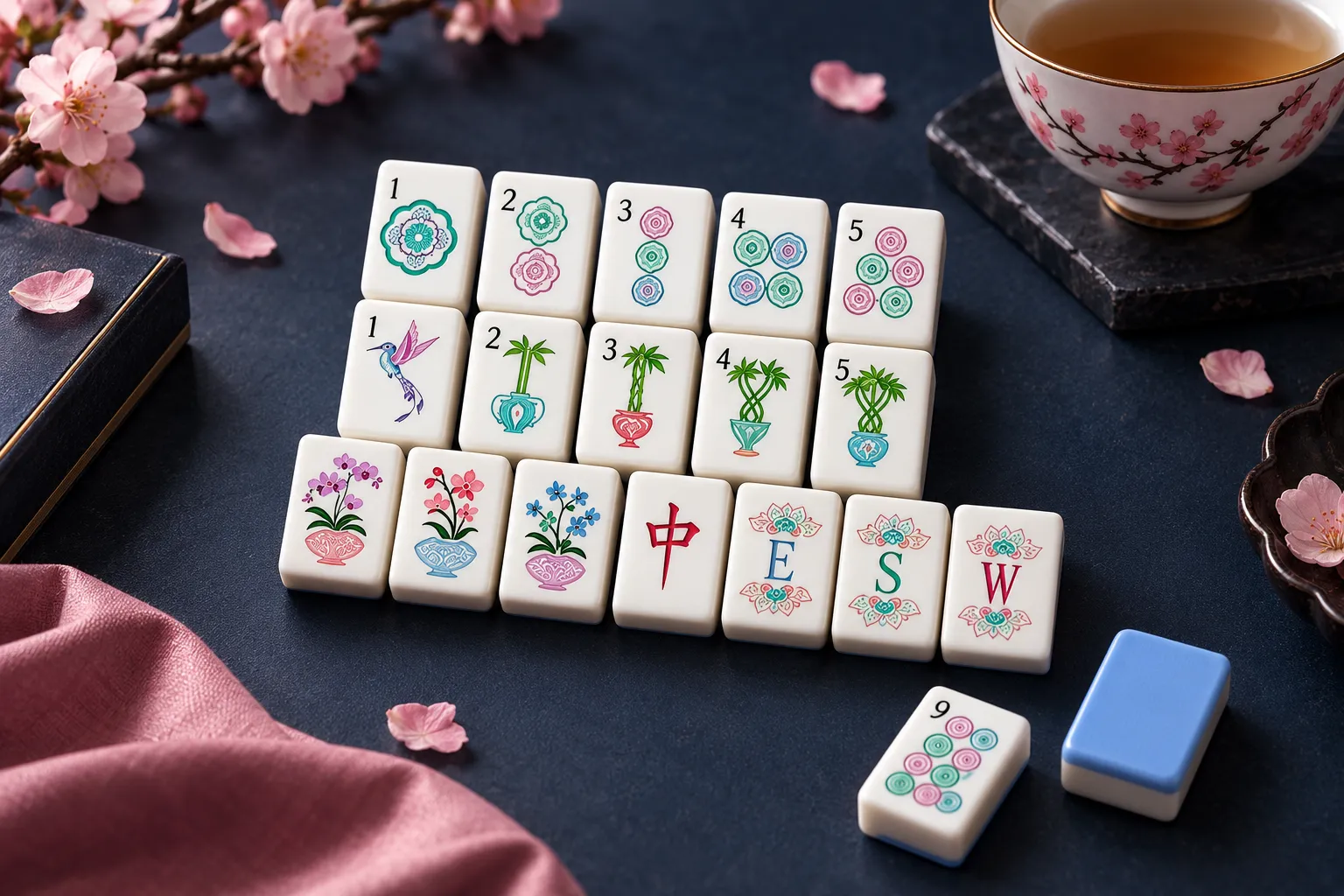
Building a strong Mahjong Wholesale Product Range is not about carrying as many products as possible.
For retailers, distributors and clubs, a better strategy is to create a product mix that gives customers clear choices while keeping inventory, pricing and reorders manageable.
A well-structured Mahjong Wholesale Product Range can help buyers serve different customer groups without making inventory too complicated.
This guide explains how to build a practical assortment across core, mid-range and premium product levels.
Why a Mahjong Wholesale Product Range Needs Structure
Wholesale buyers often face the same question: how many styles should they carry?
Too few products may limit customer choice, while too many can create:
- Slow-moving inventory
- Higher storage costs
- More cash tied up in stock
- More complicated reorders
- Greater difficulty identifying best sellers
A focused Mahjong Wholesale Product Range can make inventory easier to manage while still giving customers meaningful choice.
1. Start With Your Target Customer
Before selecting products, define who you are selling to.
Your customers may include:
- Beginners
- Regular players
- Mahjong clubs
- Gift buyers
- Lifestyle retailers
- Premium customers
Different customer groups often care about different features.
Beginners may prioritise readability and price, while experienced players may care more about tile feel, materials and design.
Understanding the target customer should come before choosing the products.
2. Build a Reliable Core Range
Core products should be the styles you expect to sell consistently throughout the year.
These products often work best when they have:
- Clear artwork
- Broadly appealing colours
- Reliable availability
- Practical packaging
- Stable wholesale pricing
Core products should form the most stable part of your Mahjong Wholesale Product Range.
They are also usually the safest products to hold in larger quantities.
3. Add a Mid-Range Category
Once the core range is established, add products that offer more design value.
Mid-range styles may include:
- More distinctive colours
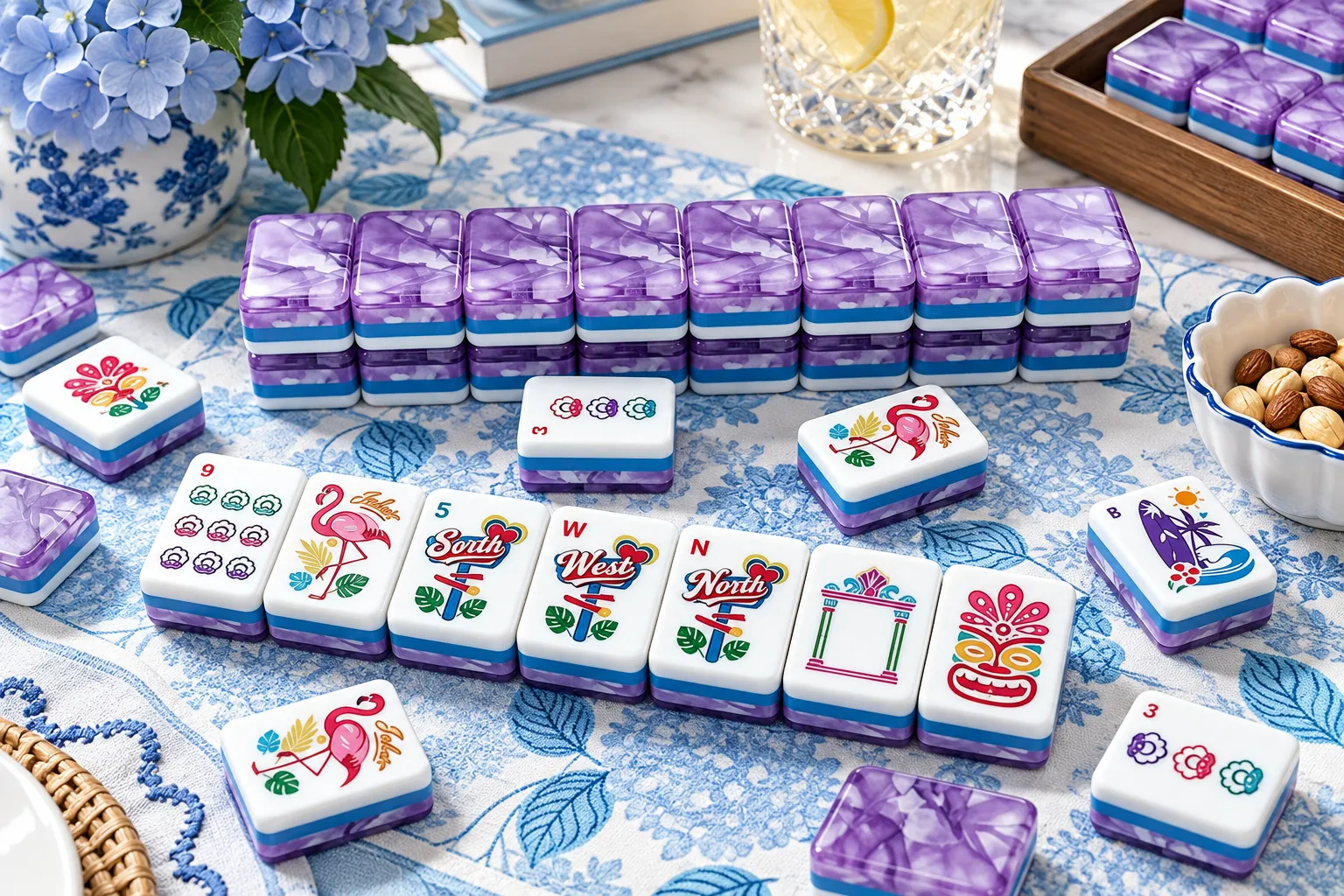
- Decorative tile backs
- Layered construction
- Modern artwork
- Better presentation packaging
Mid-range styles can give your Mahjong Wholesale Product Range more variety without creating too much pricing overlap.
For many retailers, this category may become one of the strongest sales areas.
4. Add a Small Premium Selection
Premium products should offer a clear reason for a higher retail price.
Possible premium features include:
- Acrylic construction
- Three-layer tiles
- Marble or translucent backs
- Special finishes
- Premium storage cases
- Gift-ready packaging
- Distinctive artwork
A small premium category can strengthen the Mahjong Wholesale Product Range while keeping higher-cost inventory under control.
Premium products often do not need the same stock level as core styles.
5. Avoid Too Many Similar Designs
One common mistake is choosing several products that look almost the same.
For example, five similar blue sets may not give customers much real choice.
Instead, create variation through:
- Colour
- Tile back
- Artwork
- Material
- Packaging
- Price point
A strong Mahjong Wholesale Product Range should make each product feel different for a clear reason.
6. Create Clear Price Levels
Customers should understand why one product costs more than another.
A simple structure might look like this:
Entry Level
- Standard construction
- Practical design
- Standard packaging
- Competitive retail price
Mid-Range
- Decorative backs
- Stronger design identity
- Upgraded packaging
- Additional finish options
Premium
- Higher-end materials
- Layered construction
- Premium case
- Special artwork or finishes
Clear price levels make the range easier to understand and easier to sell.
7. Keep the Price Gaps Meaningful
If one product sells for $79 and another sells for $82, customers may not understand the difference.
Clearer price steps are usually easier to communicate.
For example:
- Entry: $59–$69
- Mid-range: $79–$99
- Premium: $119+
These are only example retail positions. Actual pricing should depend on your landed cost and target margin.
8. Match Inventory Quantity to Product Type
Not every product deserves the same stock quantity.
A more practical order plan may include:
- Higher quantities for core products
- Medium quantities for design-led styles
- Lower quantities for premium products
Inventory quantity should therefore be planned separately for each part of the Mahjong Wholesale Product Range.
This helps reduce the risk of tying too much cash up in slower-moving items.
9. Use Colour to Create Variety
Colour is one of the easiest ways to differentiate products.
A simple range might include:
- One classic colour
- One pastel option
- One bold colour
- One premium marble or neutral style
This creates visual variety without adding too many SKUs.
Colour should support the product category rather than making the range unnecessarily complicated.
10. Consider Materials Carefully
Different materials can support different positions within the range.
For example:
- Standard materials for entry-level products
- Acrylic or layered construction for mid-range products
- Premium finishes for higher-end products
Material should support both product value and customer expectations.
A balanced Mahjong Wholesale Product Range should not rely on design alone.
11. Use Packaging to Support Product Positioning
Packaging can strongly influence perceived value.
For example:
Core Product
- Standard retail box
Mid-Range Product
- Better presentation box or storage case
Premium Product
- Gift-ready case or premium presentation packaging
Packaging is especially important for products that may be purchased as gifts.
It can help customers understand why one set sits at a higher price level.
12. Use Accessories to Build Product Levels
Accessories can also help create different price points without requiring completely different tile designs.
Possible combinations include:
- Tiles only
- Tiles + case
- Tiles + racks
- Tiles + mat
- Complete game-night bundle
This can make the Mahjong Wholesale Product Range feel broader while keeping the underlying inventory more manageable.
13. Protect Retail Margin
Before adding a product, calculate whether the planned retail price leaves enough margin.
Consider:
- Wholesale price
- Freight
- Import duties
- Warehouse costs
- Fulfilment
- Payment fees
- Marketing
- Promotions
A product that looks attractive may still be commercially weak if the landed cost is too high.
Margin should be reviewed before increasing the order quantity.
14. Keep Core Products Easy to Reorder
Core products are only useful if you can replenish them reliably.
Before choosing a main style, ask:
- Can it be reordered consistently?
- Is the material regularly available?
- Can the same colour be reproduced?
- What is the reorder MOQ?
- What is the reorder lead time?
Reorder reliability is one of the most important parts of a long-term Mahjong Wholesale Product Range.
15. Track Sales by Product Category
Once the products are live, monitor performance separately.
Track:
- Units sold
- Revenue
- Gross margin
- Discount usage
- Reorder frequency
- Customer feedback
This helps you understand whether the balance between entry, mid-range and premium products is working.
16. Remove Slow-Moving Products
Not every product should stay in the range forever.
If a style:
- Requires constant discounts
- Sells slowly
- Uses too much storage space
- Is difficult to reorder
- Creates low margins
it may be better to reduce or remove it.
This frees budget for stronger products.
Reviewing your Mahjong Wholesale Product Range regularly can help you remove slow sellers and invest more heavily in proven products.
17. Add New Products With a Clear Purpose
Do not add a new style only because it is new.
Ask whether it:
- Fills a price gap
- Adds a new colour
- Serves a different customer group
- Offers a new material
- Replaces a slow seller
New products should improve the structure of the range, not simply increase SKU count.
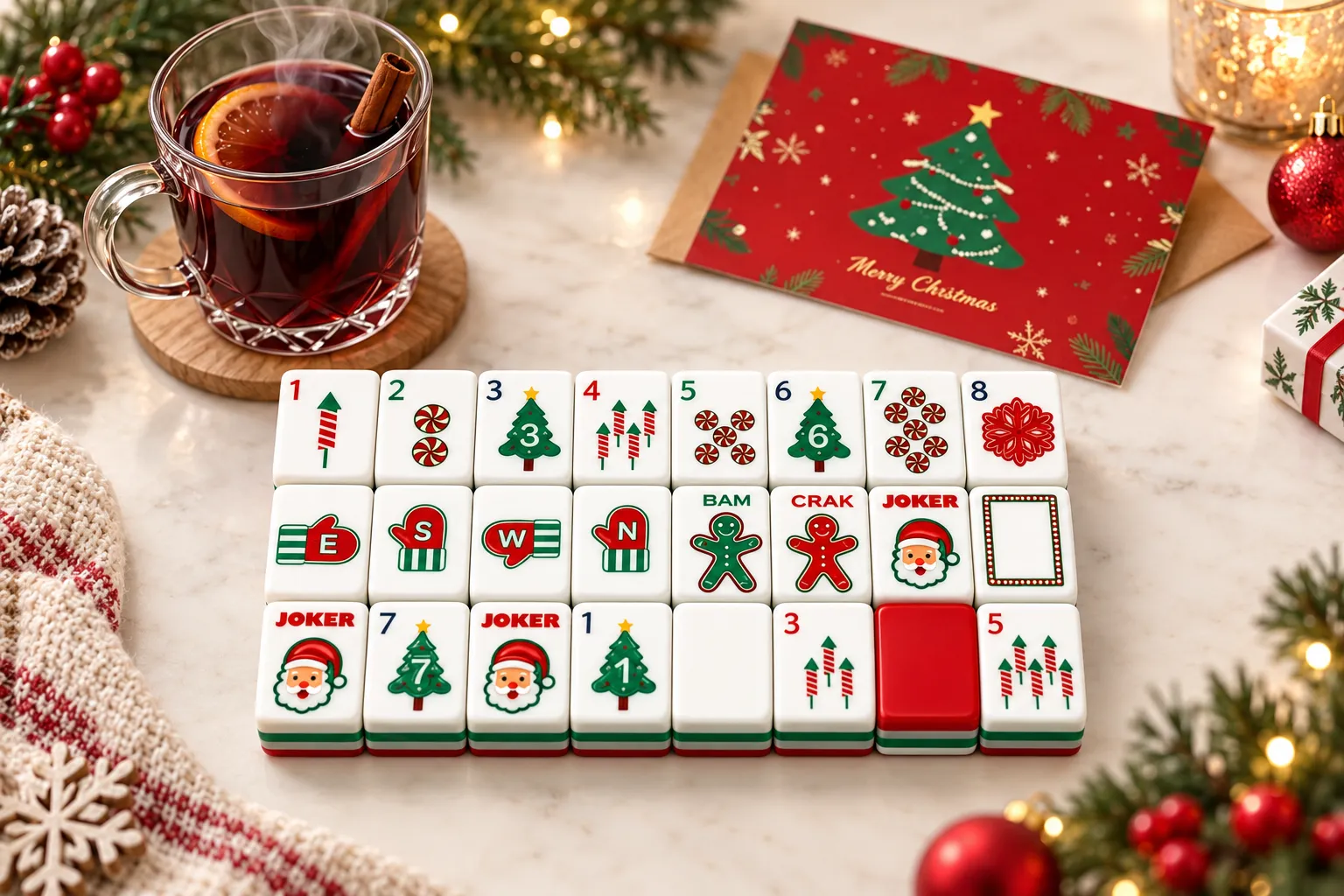
18. Use Seasonal Products Carefully
Seasonal demand may increase around:
- Christmas
- Mother’s Day
- Spring gifting
- Holiday promotions
- Club events
Seasonal designs can be useful, but they should not overwhelm the main range.
Keep the core Mahjong Wholesale Product Range stable and use seasonal styles as smaller additions.
19. Review How Customers Upgrade
Pay attention to whether customers move from lower-priced products to mid-range or premium options.
For example, a customer may first look at an entry-level set but choose a more expensive one because of:
- Tile back design
- Better packaging
- More premium materials
- Stronger visual presentation
This information can help guide future wholesale purchases.
20. Keep the Range Easy to Understand
A successful range should be easy for both staff and customers to explain.
If every product needs a long explanation, the assortment may be too complicated.
Customers should quickly understand:
- Which product is the entry option
- Which offers better design value
- Which is the premium option
Clarity is one of the biggest strengths of a well-planned Mahjong Wholesale Product Range.
A Simple Product Range Example
A retailer could begin with:
Core Range
- 2 evergreen styles
- Higher inventory quantities
Mid-Range
- 2–3 decorative styles
- Moderate inventory quantities
Premium
- 1–2 distinctive products
- Smaller inventory quantities
This structure provides variety without spreading purchasing budgets too thin.
Mahjong Wholesale Product Range Checklist
Before placing your next wholesale order, ask:
- Who is the target customer?
- Do we have a clear entry-level product?
- Do we have a strong mid-range option?
- Is there a premium choice?
- Are the styles visually different?
- Are price levels easy to understand?
- Does each product have enough retail margin?
- Are stock quantities matched to expected demand?
- Can core products be reordered easily?
- Are any existing products too slow-moving?
- Does every new style serve a clear purpose?
- Is the total SKU count still manageable?
A structured checklist can make Mahjong Wholesale Product Range planning much more reliable.
Working With HUHU Mahjong
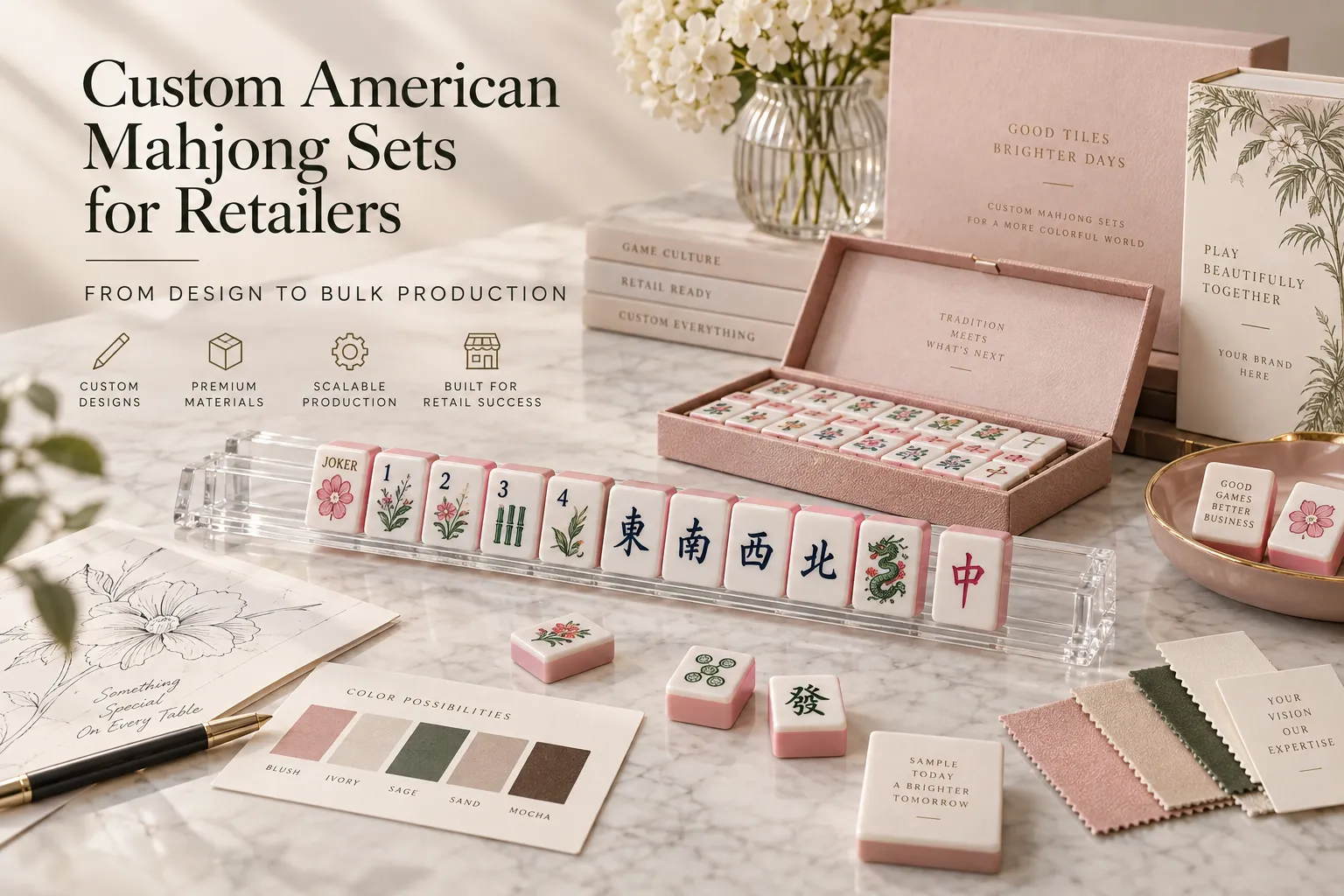
HUHU Mahjong works with wholesalers, retailers, clubs and brands purchasing Mahjong products for different markets.
Wholesale buyers can select existing styles and build a Mahjong Wholesale Product Range according to:
- Target customer
- Price positioning
- Materials
- Design preferences
- Packaging
- Expected order quantity
A focused product mix can help retailers control inventory while still providing enough choice for different customer groups.
Final Thoughts
A successful Mahjong Wholesale Product Range does not need to contain dozens of products.
It needs to be clear, balanced and commercially practical.
A strong range should combine:
- Reliable core products
- Distinctive mid-range styles
- A small premium category
- Clear price differences
- Healthy retail margins
- Manageable inventory
- Reliable reordering
Regularly reviewing your Mahjong Wholesale Product Range can help you identify stronger products, reduce slow-moving inventory and make better purchasing decisions over time.
For wholesale buyers, a smaller but carefully structured Mahjong Wholesale Product Range can often perform better than a large collection of similar Mahjong sets.
About the Author
HUHU Team
We share industry insights, product knowledge, and manufacturing updates to help global clients better understand mahjong production and OEM solutions.