OEM/ODM MANUFACTURING FOR GLOBAL BRANDS
- View Our Alibaba Store
- info@huhumahjong.com
- +86 13326907761
Standard vs Custom Mahjong Tiles: What Wholesale Buyers Should Know
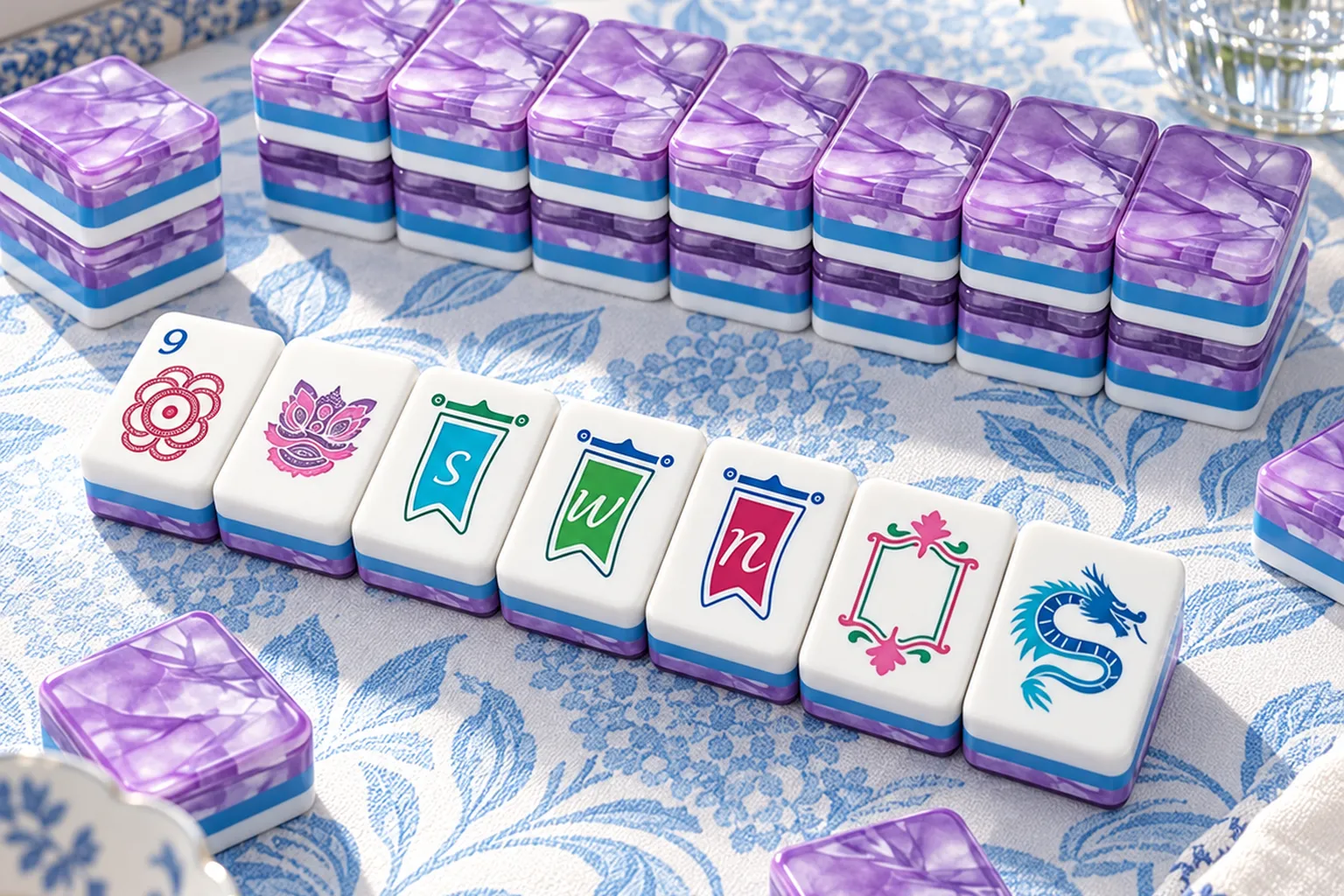
For retailers, distributors and private-label brands, choosing between standard and custom mahjong tiles is an important purchasing decision.
Standard products can be useful for faster launches and smaller test orders, while custom products give brands more control over colours, artwork, tile backs, packaging and overall product identity.
Neither option is automatically better.
The right choice depends on your order quantity, budget, launch schedule, target market and branding requirements.
This guide explains the main differences between standard and custom mahjong tiles and what wholesale buyers should consider before placing an order.
What Are Standard Mahjong Tiles?
Standard mahjong tiles use existing factory designs, colours and specifications.
These products may already have:
- Existing tile face artwork
- Fixed tile dimensions
- Standard tile back colours
- Existing moulds
- Standard accessories
- Existing packaging options
Because less product development is required, standard products are often easier to order.
They can be useful for buyers who want to test a market before investing in a fully customised product.
What Are Custom Mahjong Tiles?
Custom mahjong tiles are developed according to specific buyer requirements.
Customisation may include:
- Tile face artwork
- Jokers
- Flowers
- Tile backs
- Tile colours
- Brand logo
- Tile material
- Packaging
- Racks
- Mahjong mats
- Other accessories
A custom project usually requires more communication, artwork preparation, sampling and approval before mass production.
1. Standard Mahjong Tiles Can Be Faster to Launch
One of the biggest advantages of standard mahjong tiles is speed.
Because the core product already exists, buyers may not need to wait for:
- New artwork development
- Colour matching
- Tooling
- Multiple design revisions
This can make standard products useful for:
- New retailers
- Market testing
- Seasonal stock
- Small distribution trials
- Buyers with short launch schedules
Actual lead time still depends on inventory and order quantity.
2. Custom Mahjong Tiles Offer More Brand Control
Custom products are better suited to brands that want a more distinctive retail product.
You can develop mahjong tiles around your own:
- Colour palette
- Illustration style
- Logo
- Theme
- Packaging
- Target customer
This can help a private-label brand create something that is not easily compared with a standard wholesale product.
3. MOQ Is Usually Different
MOQ is one of the first things wholesale buyers should compare.
Standard products may support lower quantities because the materials and designs already exist.
Some existing fixed-colour mahjong tiles may also support relatively small orders, depending on the product.
Fully custom projects generally require a higher MOQ because they may involve:
- Artwork setup
- Colour matching
- Printing setup
- Custom materials
- Packaging production
- Tooling
The exact MOQ should be confirmed according to the final customisation scope.
4. Start With Your Expected Order Quantity
Before deciding between standard and custom mahjong tiles, estimate how many sets you realistically plan to order.
For example:
A retailer testing Mahjong for the first time may prefer an existing design.
An established brand planning a larger launch may have more reason to invest in custom development.
Order quantity influences whether customisation costs can be spread across enough units.
5. Compare the Initial Development Cost
Standard products normally require less development.
Custom mahjong tiles may involve additional costs for:
- Artwork preparation
- Sample development
- Printing setup
- Engraving setup
- Colour matching
- Custom tile backs
- Packaging
- Tooling where required
Customisation is a paid service, so buyers should request a quotation based on the actual design requirements.
6. Tile Face Artwork
With standard products, the tile artwork is usually already determined.
Custom products can allow changes to:
- Dots
- Bams
- Craks
- Winds
- Dragons
- Flowers
- Jokers
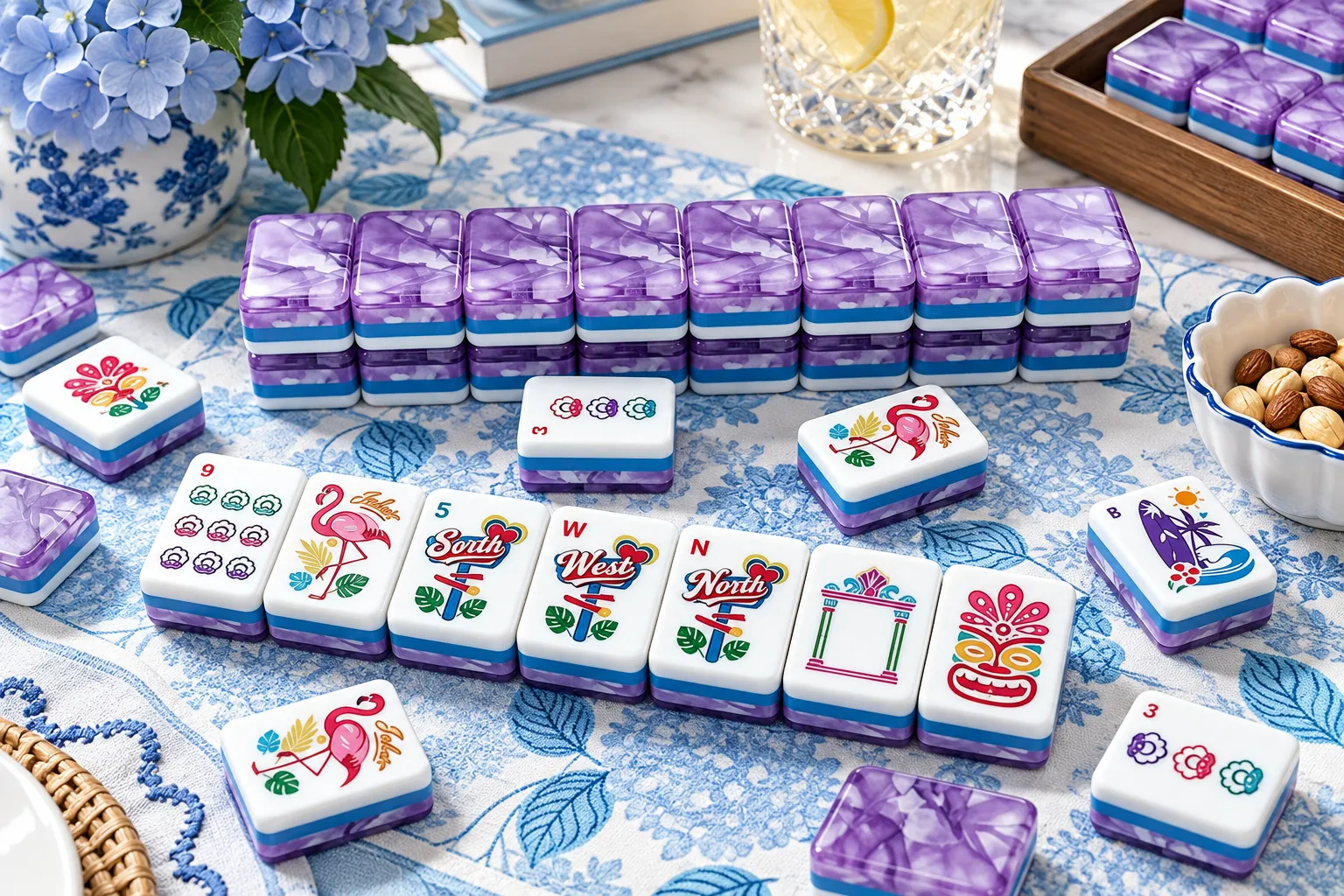
For American mahjong tiles, custom Flowers and Jokers are often useful areas for creating a distinctive visual style.
7. Custom Jokers
Jokers offer a lot of creative flexibility.
Brands may use:
- Illustrations
- Mascots
- Floral designs
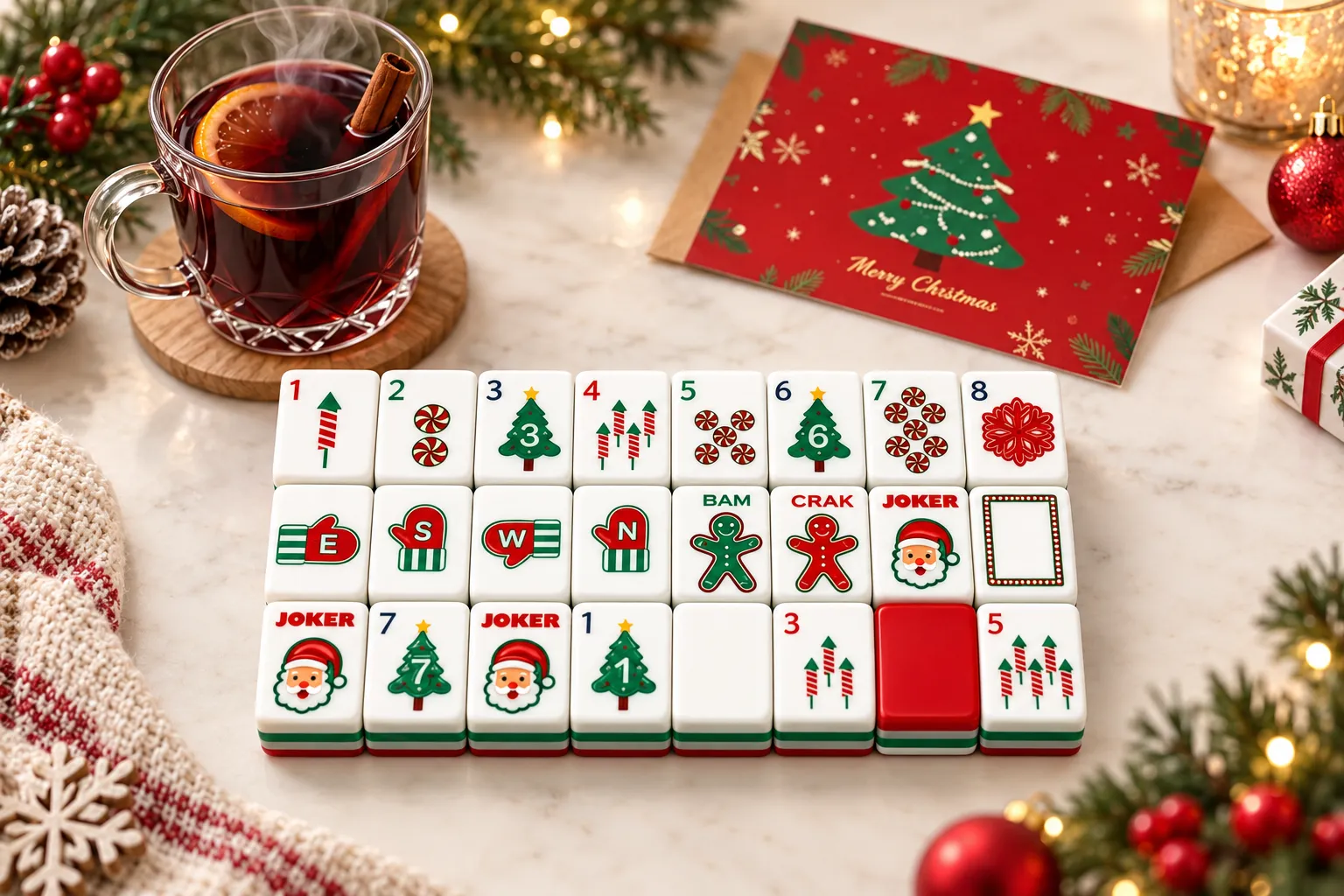
- Seasonal artwork
- Brand-inspired graphics
However, custom Jokers should still be immediately recognisable during play.
Design should support usability as well as appearance.
8. Custom Flowers
Flower tiles are another popular area for customisation.
Possible themes include:
- Botanical designs
- Travel
- Coastal themes
- Fashion-inspired illustrations
- Seasonal graphics
When developing custom mahjong tiles, make sure each Flower is visually distinct and easy to identify.
9. Tile Back Options
Standard products normally use an existing tile back.
Custom projects may allow:
- Custom colours
- Marbled backs
- Transparent backs
- Layered backs
- Printed patterns
- Logos
Tile backs can create a strong visual identity without changing the traditional structure of the game.
10. Custom Colours
Colour is one of the easiest ways to differentiate mahjong tiles.
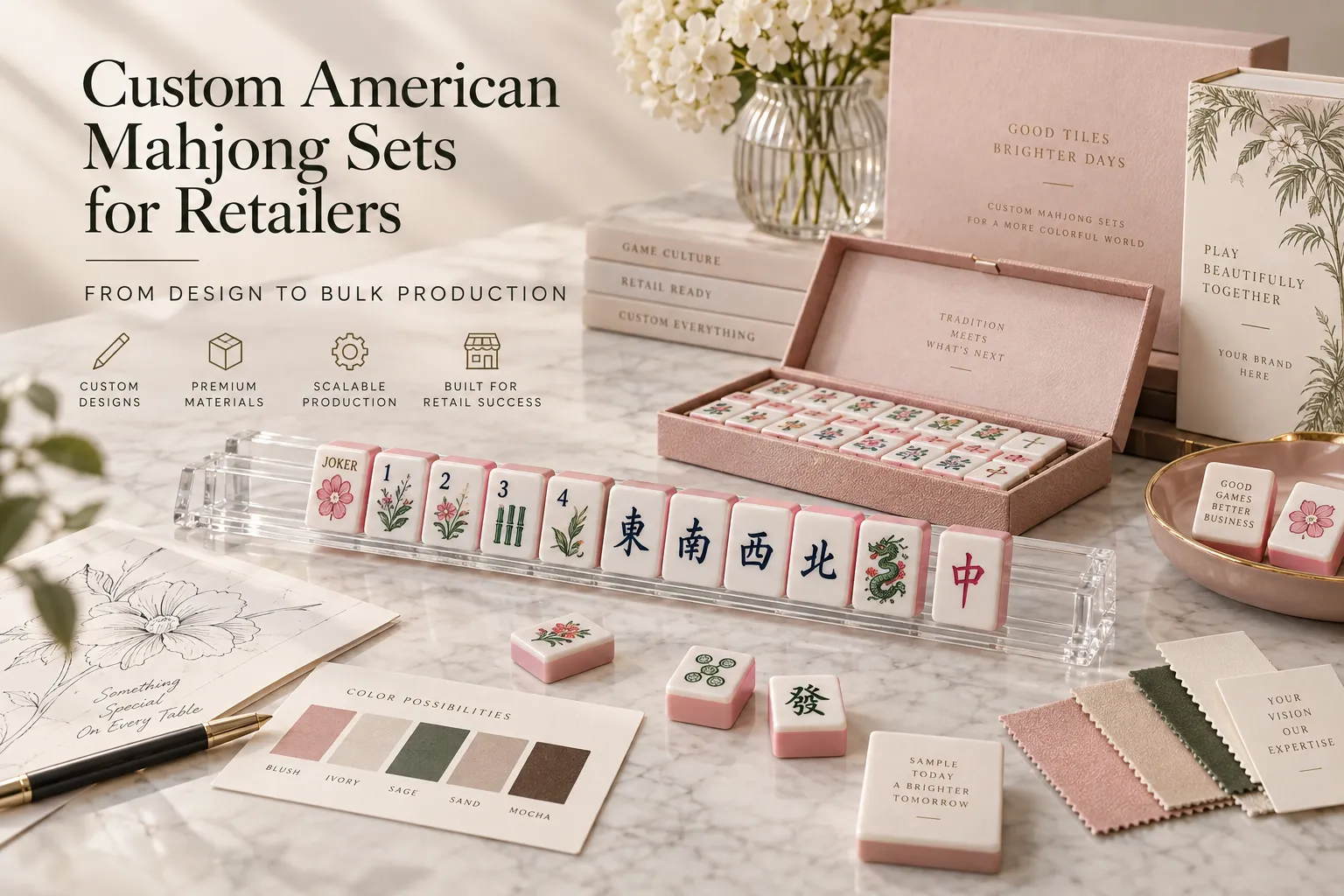
A private-label project may use custom colours for:
- Tile backs
- Artwork
- Racks
- Pushers
- Packaging
If exact brand colours are important, provide Pantone or other colour references.
A physical sample should be approved before mass production.
11. Logo Customisation
A logo can potentially appear on:
- Tile backs
- Jokers
- Racks
- Carry cases
- Mahjong mats
- Packaging
The MOQ and cost may depend on where and how the logo is applied.
Before requesting a quotation, buyers should provide the logo file and approximate order quantity.
12. Artwork Files Matter
For fully custom mahjong tiles, final production artwork should be prepared correctly.
Reference JPGs, PNGs and screenshots can help communicate the idea during early discussion.
However, final production artwork may need to be supplied in Adobe Illustrator .AI format.
Vector artwork helps maintain:
- Sharp lines
- Correct proportions
- Accurate scaling
- Better production control
13. Check Every Tile Before Approval
A custom set contains many individual designs.
Before production, buyers should review:
- Tile number
- Symbol
- Colour
- Orientation
- Quantity
- Artwork position
For numbered tiles, check that the artwork matches the correct number.
One incorrect tile can affect the usability of the entire set.
14. Standard Products Reduce Artwork Risk
One advantage of standard mahjong tiles is that the artwork has generally already been used in previous production.
This can reduce the amount of artwork checking required.
That does not mean buyers should skip quality inspection, but there is usually less design-development risk than with a completely new custom set.
15. Custom Products Require More Sample Review
A custom project should normally include physical sample approval.
Check:
- Tile size
- Tile colour
- Tile face artwork
- Tile back
- Weight
- Surface finish
- Printing
- Rack compatibility
Photos alone are not enough for final approval.
16. Compare Tile Dimensions
Whether you choose standard or custom mahjong tiles, exact dimensions should be confirmed.
Check:
- Height
- Width
- Thickness
Tile dimensions affect:
- Hand feel
- Readability
- Rack compatibility
- Packaging size
- Shipping weight
If you are developing custom packaging, final tile dimensions should be confirmed before the packaging structure is approved.
17. Consider the Target Market
Product configuration should match the market where the tiles will be sold.
For example, American Mahjong customers may expect:
- Jokers
- Flowers
- English or Arabic markings
- Racks
- Pushers
Other Mahjong markets may prefer a different configuration.
The right mahjong tiles are not only about design—they also need to suit the rules customers actually play.
18. Standard Products Can Be Useful for Market Testing
A new retailer may not yet know:
- Which colours sell best
- Which tile size customers prefer
- Which packaging works best
- What retail price customers accept
Starting with standard mahjong tiles can help collect real sales data before investing in custom development.
This can reduce product-development risk.
19. Custom Products Can Support Private-Label Growth
Once a retailer understands its market, customisation can become more valuable.
Custom mahjong tiles can help create:
- Recognisable brand identity
- Exclusive products
- Seasonal collections
- Higher-value bundles
- Stronger differentiation
For brands planning long-term growth, a custom line may become an important part of the product strategy.
20. Packaging Can Stay Standard or Become Custom
Even if the tiles are standard, buyers may sometimes customise the packaging.
Possible options include:
- Logo sticker
- Printed sleeve
- Custom box
- Carry case
- Branded insert
This can provide a middle ground between completely standard products and fully custom mahjong tiles.
21. Accessories Can Also Be Customised
A private-label set may include customised:
- Racks
- Pushers
- Dice
- Mahjong mats
- Carry cases
These accessories can coordinate with the tile colours and packaging.
However, every custom component can affect MOQ, cost and lead time.
22. Lead Time Is Usually Longer for Custom Orders
Standard products may have shorter lead times when stock or existing production is available.
Custom mahjong tiles require additional steps such as:
- Requirement confirmation
- Artwork preparation
- Artwork review
- Sample production
- Sample approval
- Mass production
- Quality inspection
- Shipping
Wholesale buyers should build this extra time into their launch schedule.
23. Allow Time for Revisions
The first custom sample may not always be the final version.
You may need to adjust:
- Colour
- Artwork scale
- Logo position
- Tile back
- Packaging
Do not schedule a product launch based only on the first estimated sample date.
Allow time for revisions.
24. Consider Reorders
Standard products can be easier to reorder because their specifications already exist.
For custom mahjong tiles, buyers should keep records of:
- Final
.AIartwork - Approved colours
- Tile dimensions
- Approved sample version
- Packaging files
- Accessory specifications
This helps maintain consistency between production batches.
25. Keep a Final Specification Sheet
Whether ordering standard or custom products, create a final product specification.
It should include:
- Product name
- Mahjong version
- Tile quantity
- Tile dimensions
- Material
- Artwork
- Tile back
- Accessories
- Packaging
- Quantity
For custom mahjong tiles, also record the final approved artwork version.
26. Quality Control Still Matters for Standard Products
Standard does not mean buyers should skip QC.
Check:
- Tile quantity
- Tile dimensions
- Artwork
- Surface finish
- Colour consistency
- Packaging
- Accessories
This is especially important for larger wholesale orders.
27. Custom Production Needs More Detailed QC
Custom projects require all standard checks plus design-specific inspection.
Check whether the finished mahjong tiles match:
- Approved artwork
- Colour reference
- Logo placement
- Tile back design
- Sample
The approved physical sample can be used as a production benchmark.
28. Standard vs Custom: Which Is Better for New Retailers?
For a new retailer, standard products may be a practical starting point.
They allow you to test:
- Customer demand
- Price point
- Product style
- Sales channel
Once sales data is available, it becomes easier to decide whether custom mahjong tiles are worth developing.
29. Which Is Better for Established Brands?
An established brand may benefit more from customisation if it already has:
- Clear visual identity
- Known customer preferences
- Reliable sales volume
- A defined launch plan
In this situation, custom products can help strengthen brand differentiation.
30. A Hybrid Approach Can Also Work
You do not always need to choose between completely standard and completely custom.
A hybrid product might use:
- Standard tile mould
- Existing tile dimensions
- Custom Flowers
- Custom Jokers
- Custom tile backs
- Branded packaging
This can reduce development complexity while still creating a more distinctive product.
Standard vs Custom Mahjong Tiles Checklist
Before deciding, ask:
- What quantity do I need?
- Is this a market test or long-term product?
- Do I need exclusive artwork?
- Do I need custom colours?
- Do I need a custom logo?
- What is my target launch date?
- What MOQ can I accept?
- What development budget is available?
- Do I need custom packaging?
- Have I allowed time for sample approval?
Working With HUHU Mahjong
HUHU Mahjong works with retailers, distributors, clubs and private-label brands sourcing mahjong tiles for international markets.
Buyers can discuss:
- Existing designs
- Fixed-colour options
- Custom tile faces
- Custom Flowers and Jokers
- Custom tile backs
- Logo branding
- Racks
- Mahjong mats
- Packaging
- Samples
Some existing products may support lower order quantities, while fully customised projects generally require different MOQs depending on the design requirements.
For final custom production, artwork may need to be provided in Adobe Illustrator .AI format.
Final Thoughts
Standard and custom mahjong tiles serve different business needs.
Standard products may be better when you need:
- Faster ordering
- Lower development cost
- Market testing
- Existing designs
Custom products may be better when you need:
- Private-label branding
- Exclusive artwork
- Custom colours
- Product differentiation
- A long-term branded collection
For many wholesale buyers, the best approach is to start with clear goals.
Define your quantity, target market, launch schedule and customisation requirements before deciding which type of mahjong tiles is right for your business.
About the Author
HUHU Team
We share industry insights, product knowledge, and manufacturing updates to help global clients better understand mahjong production and OEM solutions.