
OEM/ODM MANUFACTURING FOR GLOBAL BRANDS
- View Our Alibaba Store
- info@huhumahjong.com
- +86 13326907761
How to Start Your Own Mahjong Brand: A Step-by-Step Private Label Guide

Starting your own Mahjong brand can be an exciting business opportunity for entrepreneurs, retailers, distributors and gift companies looking to introduce distinctive Mahjong products to international markets.
From colourful acrylic Mahjong tiles to personalised artwork, elegant gift packaging and coordinated accessories, today’s Mahjong collections offer a wide range of possibilities for businesses seeking to create their own product identity.
However, building a Mahjong brand involves more than selecting attractive designs. You need to understand your target customers, develop suitable products, establish a recognisable brand identity and plan your wholesale sourcing arrangements.
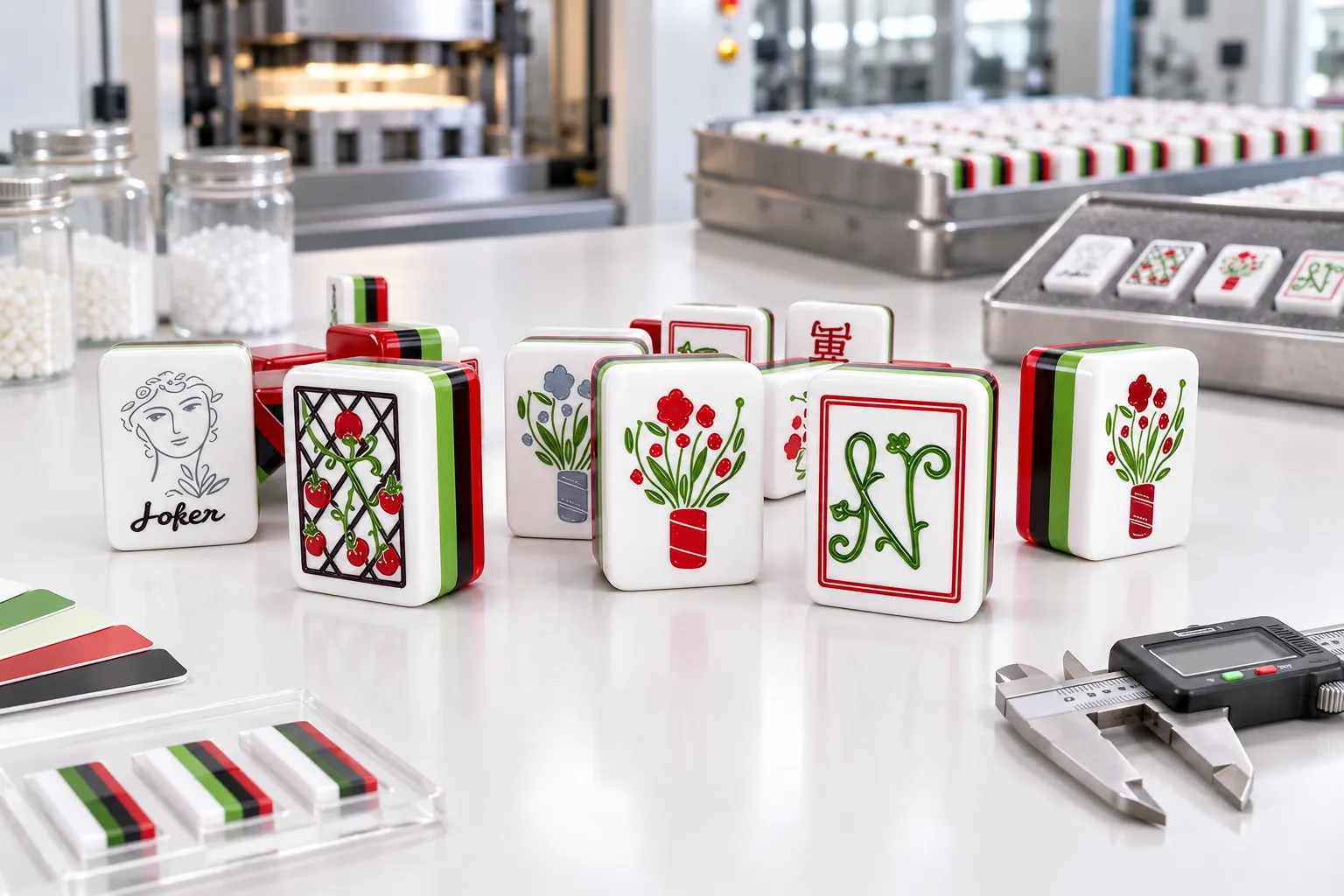
Working with an experienced private label Mahjong manufacturer can help businesses manage product customisation, sampling, packaging and production planning.
Whether you are launching your first Mahjong collection or expanding an existing retail business, choosing a suitable private label Mahjong manufacturer is an important step towards developing products that reflect your brand.
This guide explains how to start your own Mahjong brand, from market research and product design to wholesale production, packaging and international distribution.
1. Identify Your Target Mahjong Market
Before developing your first Mahjong products, it is important to understand who you want to sell to.
Different Mahjong markets have different preferences in terms of tile designs, playing formats, accessories and packaging.
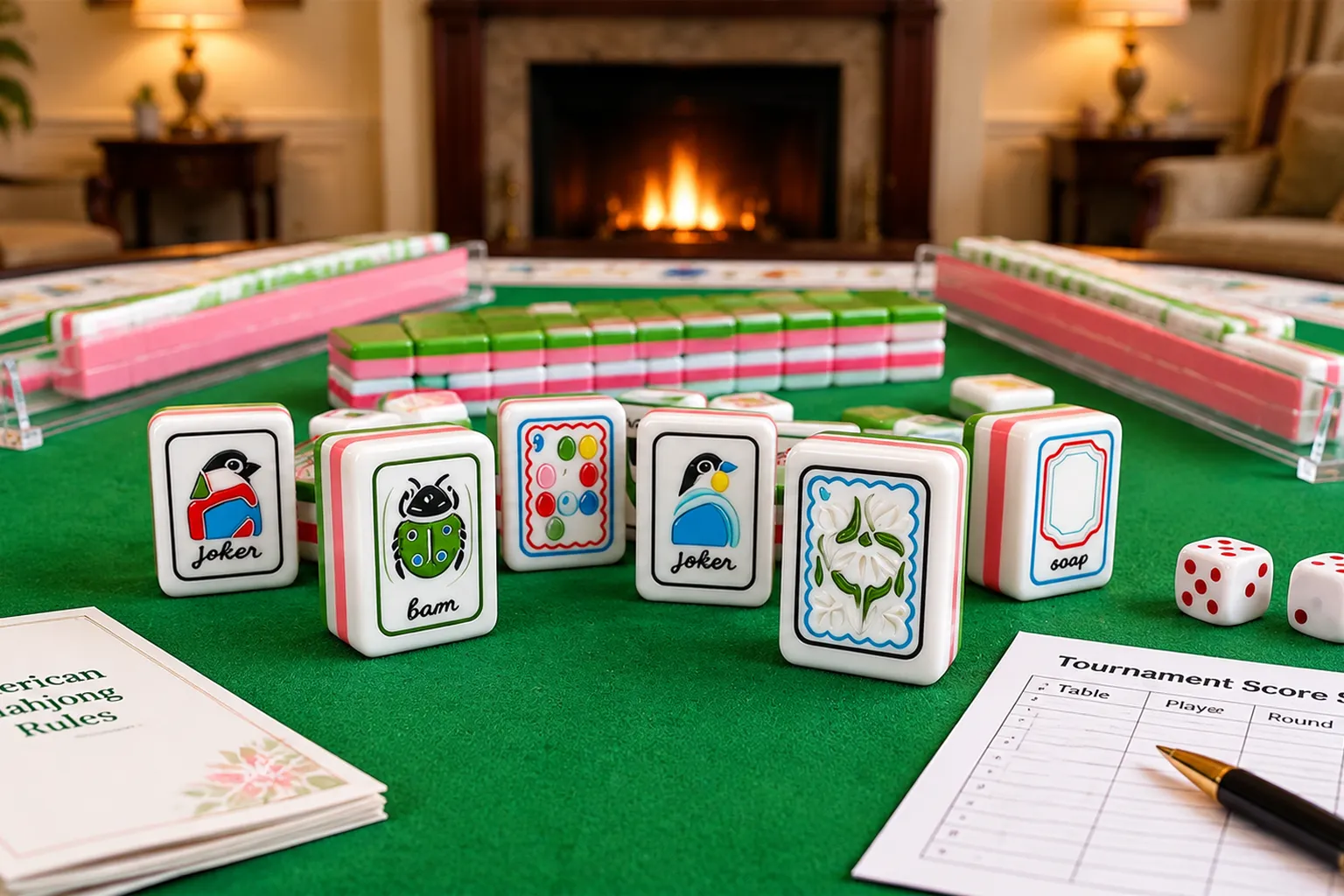
For example, American Mahjong sets may require different tile configurations and artwork from traditional Chinese Mahjong sets.
A business targeting premium gift buyers may also require a different product presentation from a retailer selling everyday Mahjong sets.
Define Your Ideal Customers
Consider the customer groups your brand wants to reach.
Potential audiences include:
- Mahjong enthusiasts looking for distinctive designs
- Boutique retailers selling premium games and gifts
- Customers purchasing personalised Mahjong sets
- Mahjong clubs and community groups
- Gift companies and corporate buyers
- Collectors interested in decorative Mahjong products
- Distributors seeking wholesale Mahjong collections
Each group may have different expectations regarding product design, price and packaging.
Research Existing Mahjong Brands
Before approaching a private label Mahjong manufacturer, review the products already available in your target market.
Look at competing brands’ product styles, colour palettes, packaging and price positioning.
The objective is not to copy existing products but to identify opportunities to create something distinctive.
For example, you might discover that your target market has limited options for botanical Mahjong artwork, modern pastel collections or coordinated travel sets.
This research can help you establish a clear product direction before discussing production with a supplier.
Understand Regional Mahjong Requirements
Different Mahjong playing formats may require different tile quantities, symbols and accessories.
A private label Mahjong manufacturer familiar with international markets can help discuss available product configurations.
However, buyers should confirm the requirements of their intended playing format before approving the final design.
Understanding your market from the beginning can reduce unnecessary design revisions later.
2. Build a Distinctive Mahjong Brand Identity
A successful Mahjong brand needs a recognisable identity that connects its products with its intended customers.
Your brand identity should influence product design, packaging, photography, marketing and customer communication.
Before beginning product development, consider defining several essential elements.
Choose a Memorable Brand Name
Your brand name should reflect your market positioning and be easy for customers to remember.
Before committing to a name, check relevant trademark records, domain availability and existing businesses in your intended markets.
Create a Consistent Visual Identity
Your visual identity may include:
- Brand logo
- Main colour palette
- Typography
- Packaging style
- Product photography
- Website design
- Social media presentation
For example, a contemporary lifestyle Mahjong brand might use soft colours and minimal packaging, while a premium gift brand may prefer darker tones and decorative presentation boxes.
Define Your Brand Positioning
Consider what makes your products different.
Your business might focus on elegant artwork, personalised gifting, portable designs, distinctive acrylic finishes or coordinated Mahjong accessories.
A clear positioning strategy helps customers understand why they should choose your collection.
When working with a private label Mahjong manufacturer, sharing your brand guidelines early can help create more consistent product and packaging designs.
A suitable private label Mahjong manufacturer should be able to discuss how your preferred colours, artwork and branding can be incorporated into the selected products.
3. Choose the Right Mahjong Products
Product selection is one of the most important decisions when starting a Mahjong brand.
Rather than launching too many designs at once, new businesses may benefit from developing a focused initial collection.
This allows retailers to evaluate customer preferences before investing in a larger product range.
Traditional Mahjong Sets
Traditional Mahjong sets can be suitable for retailers serving established Mahjong markets.
Buyers should consider tile dimensions, symbols, set configurations and packaging requirements.
Acrylic Mahjong Sets
Acrylic Mahjong tiles offer a wide range of decorative possibilities.
Different colours, layered structures and finishes allow brands to develop visually distinctive collections.
Popular design directions may include:
- Pastel-coloured acrylic tiles
- Marble-effect finishes
- Floral-inspired artwork
- Transparent or layered designs
- Contemporary decorative patterns
- Personalised tile faces
When discussing acrylic products with a private label Mahjong manufacturer, buyers should clarify the preferred materials, dimensions and decorative finishes.
Travel Mahjong Sets
Compact Mahjong collections may appeal to customers who value convenient storage and transportation.
These products can also be suitable for gifting and travel-related retail ranges.
Custom Gift Collections
Personalised Mahjong products may be developed for weddings, anniversaries, corporate gifts and other occasions.
Packaging and presentation can be especially important for gift-focused brands.
Mahjong Accessories
Accessories can help expand your product range without introducing an entirely different category.
Possible products include Mahjong racks, bags, storage cases and coordinated playing accessories.
A private label Mahjong manufacturer offering several complementary products may help businesses develop coordinated collections through a more organised sourcing process.
You can explore examples of standard and customised Mahjong products on the Huhu Mahjong website.
4. Work with a Private Label Mahjong Manufacturer
Choosing the right private label Mahjong manufacturer is an important part of turning your brand concept into a physical product.
A suitable manufacturing partner should understand your product requirements, intended market and purchasing plans.
Before approaching a supplier, prepare an overview of your project.
Include:
- Target country or market
- Preferred Mahjong playing format
- Product designs
- Tile dimensions
- Material requirements
- Colour preferences
- Brand logo
- Artwork files
- Packaging ideas
- Estimated order quantity
Providing these details can make initial discussions more efficient.
Understand Customisation Capabilities
Different Mahjong products support different forms of customisation.
Common options include personalised tile colours, artwork, logos, packaging and storage accessories.
Your chosen private label Mahjong manufacturer can discuss which elements are suitable for the selected product.
For example, adding a logo to existing packaging may involve different arrangements from developing an entirely new Mahjong tile design.
Before confirming a project, ask your private label Mahjong manufacturer to explain the available customisation options and any additional development requirements.
Discuss Minimum Order Quantities
Customised Mahjong products generally have different MOQ requirements from ready-made products.
At Huhu Mahjong, our standard wholesale ordering quantities are:
- Standard complete Mahjong sets: MOQ 100 sets
- Customised complete Mahjong sets: MOQ 200 sets
- Mahjong tiles only: MOQ 500 sets
- Mahjong accessories: MOQ 300 pieces
These are standard reference quantities. Actual ordering requirements should be confirmed for the selected product and project.
Some ready-made products may be available in smaller quantities depending on existing stock and the individual product listing.
Request a Detailed Quotation
Before placing an order with a private label Mahjong manufacturer, clarify the relevant commercial conditions.
These may include:
- Unit price
- Minimum order quantity
- Artwork preparation requirements
- Sampling charges
- Packaging costs
- Production lead time
- Shipping arrangements
- Payment terms
Clear quotation details help businesses estimate their initial investment and compare purchasing options more effectively.
Working with a private label Mahjong manufacturer that communicates these requirements clearly can make product planning easier for new brands.
5. Develop Original Mahjong Artwork
Artwork is one of the most recognisable elements of a custom Mahjong collection.
For businesses developing a new brand, original designs can create a distinctive product identity.
Depending on the intended Mahjong format, customisation may involve tile face illustrations, decorative borders, colours and special symbols.
Start with a Clear Design Concept
Choose a theme that suits your brand identity and target customers.
Possible directions include:
- Botanical and floral collections
- Coastal and ocean-inspired designs
- Contemporary geometric patterns
- Pastel colour palettes
- Seasonal gift collections
- Minimalist decorative artwork
- Nature-inspired illustrations
Your selected theme should remain consistent across the collection.
Consider Practical Tile Requirements
Decorative artwork should remain suitable for the intended Mahjong playing format.
For example, customised American Mahjong sets should retain the appropriate tile configurations for their intended use.
Before approving artwork, confirm the required symbols, quantities and dimensions.
Prepare Artwork Files
When discussing artwork with a private label Mahjong manufacturer, ask which file formats and specifications are suitable for the proposed design.
Clear design files and confirmed artwork details can help reduce unnecessary revisions.
A private label Mahjong manufacturer can discuss the available artwork application methods, such as suitable printing or engraving options for the selected product.
Protect Your Original Designs
Businesses should avoid using artwork, characters or branding owned by other companies without permission.
Developing original illustrations and checking relevant intellectual property rights can help reduce potential disputes.
6. Plan Your Custom Mahjong Packaging
Packaging plays an important role in how customers perceive a Mahjong brand.
It helps present the product and communicate the brand’s visual identity.
For gift-focused collections, packaging may be particularly important.
Common packaging options include:
- Rigid gift boxes
- Storage cases
- Printed retail cartons
- Custom sleeves
- Branded bags
- Coordinated accessory packaging
Match Packaging to Your Market
A boutique gift retailer may prefer decorative packaging designed for presentation.
An online retailer may place greater emphasis on compact dimensions and practical shipping arrangements.
A premium brand might select a storage case intended for continued use after purchase.
Keep Branding Consistent
Your brand name, logo, colour palette and product information should be coordinated across packaging elements.
Consider including relevant details such as material, tile dimensions, set contents and care information.
Any applicable labelling requirements should be reviewed for the intended sales market.
Discuss Packaging with Your Manufacturer
A private label Mahjong manufacturer may offer different packaging options depending on the selected product.
Before approving a design, discuss the preferred materials, packaging dimensions, printing requirements and additional costs.
Working closely with your private label Mahjong manufacturer during packaging development can help create a consistent presentation across your product collection.
7. Arrange Sampling Before Bulk Production
Sampling allows businesses to review their intended Mahjong products before proceeding with a larger wholesale order.
For a new brand, this stage is particularly useful because design decisions may affect the appearance and presentation of an entire collection.
Confirm Product Specifications
Before requesting a sample, review:
- Tile size
- Material
- Colours
- Artwork
- Surface finish
- Packaging
- Accessories
Clear specifications help establish a shared understanding of the proposed product.
Discuss Sampling Costs
Sampling charges depend on the selected product and customisation requirements.
Your private label Mahjong manufacturer should be able to discuss applicable sample costs and development arrangements before the project proceeds.
Buyers should also clarify whether international sample shipping is charged separately.
Understand Sampling Lead Times
At Huhu Mahjong, typical sampling periods are:
- Standard complete sets: approximately 7–10 days
- Customised complete sets: approximately 10–15 days
- Mahjong tiles only: approximately 7 days
These are indicative timeframes and may vary depending on the project.
Review the Physical Sample
Where physical sampling is available, buyers can review the proposed design, colours, dimensions and packaging presentation.
If revisions are necessary, communicate them clearly before final approval.
Approve the Final Design
Before moving into bulk production, ensure that the final product specifications and artwork have been agreed.
A structured sampling process with your private label Mahjong manufacturer can help both parties prepare for the production stage.
8. Plan Wholesale Production and Delivery
Once the product design and sample have been approved, the next stage is production planning.
For a new Mahjong brand, manufacturing schedules should be considered alongside the intended retail launch date.
Understand Production Lead Times
At Huhu Mahjong, typical production periods are:
- Standard complete sets: approximately 30–45 days
- Customised complete sets: approximately 45–60 days
- Mahjong tiles only: approximately 25–35 days
- Accessories: depending on product specifications
These are estimates and should be confirmed for each order.
Coordinate Production Requirements
Before confirming a production order with your private label Mahjong manufacturer, ensure that important details have been agreed.
These may include artwork, materials, tile dimensions, quantities, packaging and the expected dispatch schedule.
Clear communication can help reduce avoidable misunderstandings.
Allow Time for International Shipping
Production time does not include international transportation.
Depending on the destination, shipment size and logistics arrangements, transport may involve express services, air freight or sea freight.
Buyers should clarify relevant shipping terms and responsibilities before confirming an order.
Prepare a Realistic Launch Schedule
A practical product launch plan may include:
- Market research
- Artwork development
- Sampling
- Design revisions
- Production
- International shipping
- Product photography
- Website preparation
- Marketing activities
Working with a private label Mahjong manufacturer that communicates production arrangements clearly can help businesses coordinate these stages.
Your private label Mahjong manufacturer should be informed of important launch requirements early, particularly when preparing seasonal collections.
9. Build Your Mahjong Brand’s Sales Channels
Once your first collection is in development, you can begin preparing your sales channels.
The most suitable approach depends on your target customers and business model.
Independent E-commerce Website
An independent website allows businesses to present their brand identity, product collection and customer experience consistently.
You can create product pages, share brand stories and provide information about your Mahjong designs.
Online Marketplaces
Marketplaces may provide access to an existing customer audience.
However, businesses should understand relevant fees, product policies and competition before choosing a platform.
Boutique Retailers
Mahjong collections with distinctive designs or gift-focused positioning may be suitable for boutique stores.
Wholesale Distribution
Brands planning larger-scale distribution can develop wholesale catalogues and purchasing arrangements for retail partners.
Social Media
Visual platforms can help introduce your Mahjong designs and communicate your brand identity.
Product photography, design development content and customer experiences may be useful for building an audience.
Whichever channels you choose, product presentation, pricing and customer communication should remain consistent.
10. Prepare Your First Mahjong Collection Launch
A successful product launch requires coordination between product development, marketing and order fulfilment.
Before launching, consider preparing the following elements.
Product Photography
Use clear images showing tile artwork, colours, dimensions, packaging and accessories.
Product Descriptions
Provide accurate information about the Mahjong playing format, materials, tile dimensions and set contents.
Pricing
Calculate product costs, shipping expenses, selling fees and expected contribution margins before determining retail prices.
Inventory Planning
Consider initial stock requirements and future replenishment arrangements.
Customer Support
Make sure customers can find information about shipping, product use and applicable return policies.
Marketing Materials
Prepare product photography, collection descriptions and promotional content suitable for your chosen channels.
Future Product Development
As your business grows, maintaining communication with your private label Mahjong manufacturer can help you explore additional designs and product collections.
A long-term relationship with a suitable private label Mahjong manufacturer may make future customisation discussions and purchasing arrangements more convenient.
For a new brand, the objective is not necessarily to launch the largest possible collection.
A smaller, clearly positioned range can provide opportunities to understand customer demand before expanding into additional designs and accessories.
11. Why Choose Huhu Mahjong for Private Label Projects?
Huhu Mahjong supports retailers, distributors, gift brands and entrepreneurs looking to develop standard and customised Mahjong products.
With over 12 years of industry experience and customers in more than 60 countries, we understand that businesses require different product styles, order quantities and customisation arrangements.
Our range includes traditional Mahjong sets, colourful acrylic tiles, portable designs, personalised gift collections and Mahjong accessories.
We support OEM and private label projects involving custom tile artwork, colours, logos, packaging and other product details.
Whether you are developing your first Mahjong collection or expanding an established brand, our team can discuss suitable product options and purchasing requirements.
If you are looking for a private label Mahjong manufacturer, visit Huhu Mahjong to explore our product range and learn more about available customisation options.
As a private label Mahjong manufacturer serving international buyers, Huhu Mahjong aims to support practical discussions about product design, order quantities, packaging and sourcing arrangements.
Conclusion
Starting your own Mahjong brand involves several important stages, from understanding your target market and developing a brand identity to selecting products, preparing artwork and planning wholesale production.
A clear product concept and realistic purchasing plan can help businesses approach the development process more effectively.
Choosing an experienced private label Mahjong manufacturer is an important part of discussing customisation options, minimum order quantities, sampling and production arrangements.
For new businesses, starting with a focused collection can provide opportunities to learn about customer preferences before expanding into additional designs and accessories.
Working with a private label Mahjong manufacturer that understands your business model can also help make future product development more organised.
At Huhu Mahjong, we support international buyers interested in traditional and customised Mahjong products for retail, wholesale distribution and private label collections.
If you need a private label Mahjong manufacturer for your next project, we welcome enquiries about personalised tile designs, branding, packaging and purchasing requirements.
Ready to Start Your Own Mahjong Brand?
Explore the available products and discuss your project requirements with the Huhu Mahjong team. We can help you review suitable product options, customisation requirements and wholesale sourcing arrangements.
About the Author
HUHU Team
We share industry insights, product knowledge, and manufacturing updates to help global clients better understand mahjong production and OEM solutions.