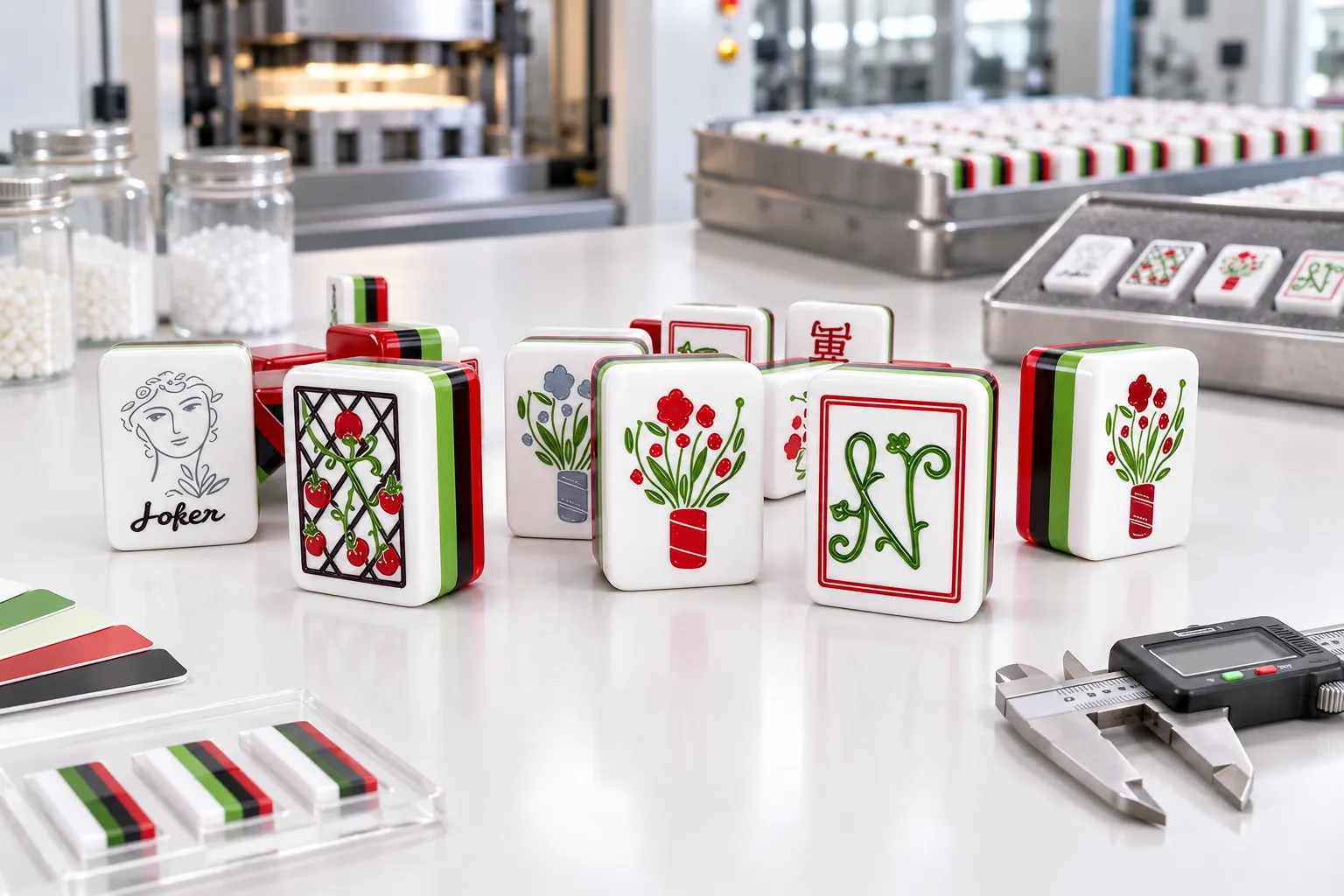
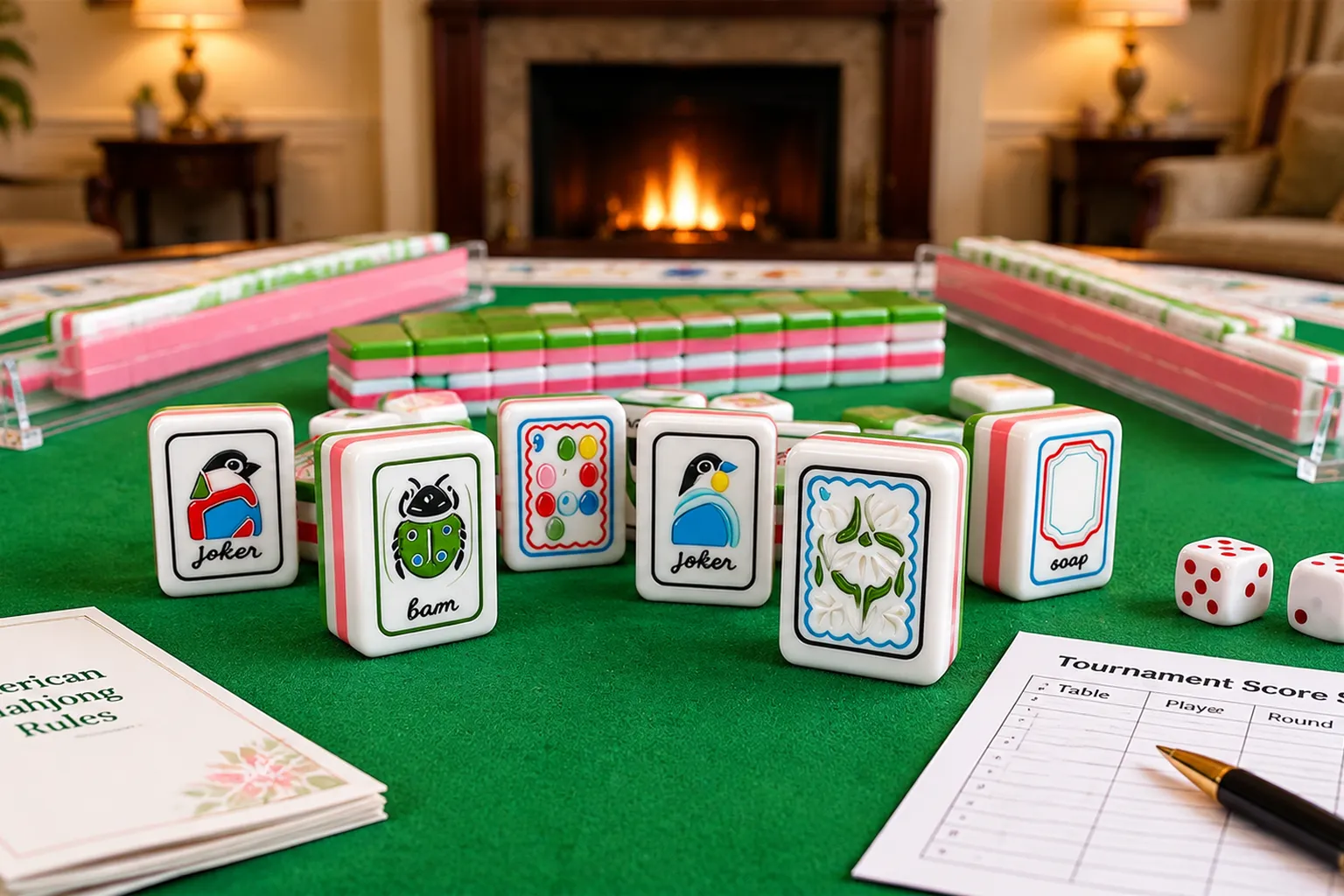
Knowing how to clean mahjong tiles sounds like a small detail, but it affects how long a set looks new in your customer’s hands. Acrylic and melamine are the two most common tile materials, and they react differently to cleaning, rubbing and storage. For retailers and private-label brands, a clear care guide protects the customer experience and reduces avoidable complaints.
Why Care Instructions Matter for Retailers
Most customers do not read a technical specification, but they do notice when a tile looks dull after a few months. Without guidance, they may use a rough cloth, a strong cleaning spray or a hot, wet towel. The set then looks damaged, and the complaint lands on your store even though the tiles were made correctly.
A short care card or a few lines on your product page solves most of this. It also makes your brand look more professional, especially for gift sets and premium collections.
Acrylic vs Melamine: Why the Material Matters
Acrylic tiles have a smooth, glossy and often translucent look. That clarity is part of their appeal, but the surface can show fine scratches, fingerprints and clouding if it is cleaned the wrong way.
Melamine tiles are a dense, hard material that is widely used for everyday, high-use sets. They generally cope well with regular handling, but abrasive cleaning can still dull the surface, and harsh chemicals can affect the finish. If you want a full comparison before writing your care text, read our guide to acrylic vs melamine mahjong tile materials.
The basic routine is the same for both, so you can use one care card for your whole range, with a few extra lines for acrylic.
For background on the materials themselves, see these overviews of acrylic (PMMA) and melamine resin.
What You Need
Here is everything you need to know about how to clean mahjong tiles safely at home or in a shop display.
- A soft microfibre cloth, clean and dry
- Lukewarm water
- A very small amount of mild dish soap
- A second dry cloth for polishing
That is all most sets need. Simple tools are safer than specialist products.
How to Clean Mahjong Tiles Step by Step
The method for how to clean mahjong tiles is the same for acrylic and melamine, so one routine works for your whole range:
- Remove loose dust first with a dry microfibre cloth. Rubbing dust across the surface is a common cause of fine scratches.
- Dampen a clean cloth with lukewarm water and a drop of mild soap. The cloth should be damp, not dripping.
- Wipe each tile gently, one at a time, using light pressure and straight strokes.
- Wipe again with a cloth dampened with plain water to remove soap residue.
- Dry and polish with a second soft cloth, then let the tiles air-dry fully before they go back into the case.
Do not soak a whole set in a bowl of water. Water can collect in the edges and slots of racks and cases, and it makes handling harder. Cleaning tile by tile takes a few minutes and gives better results.
What to Avoid for Both Materials
- Abrasive pads, scouring powders and rough sponges: they scratch acrylic and can dull melamine
- Bleach and strong chemicals: they can damage the finish or the printed artwork
- Paper towels and dry rubbing: the fibres can scratch a dry, dusty surface
- Heat and long direct sunlight: keep sets away from radiators, hot cars and sunny windowsills
Extra Care for Acrylic Tiles
When you learn how to clean mahjong tiles made of acrylic, remember that this material needs a little more caution because it is more sensitive to solvents and scratches. Tell customers to avoid acetone, nail polish remover and similar products, and to test any specialist cleaner on one spare tile first, or skip it altogether. Very light surface marks can sometimes be reduced with a polish made for plastics or acrylic, but deep scratches cannot be removed completely, and aggressive polishing can change the shine of one tile so that it no longer matches the others.
Printed and Engraved Tiles Need Gentler Handling
Tile faces are produced in different ways, and the method changes how much rubbing the artwork should take. Engraved designs, UV-printed artwork and stamped details each behave differently over time. If you sell a custom collection, ask your supplier how the artwork was applied and what cleaning advice they recommend. Our guides on UV printing for mahjong tiles and tile finish explain these options in more detail.
As a general rule, tell customers to wipe printed tiles lightly and never scrub the face. That one sentence prevents most artwork wear.
Storing Tiles and Racks
Good storage matters as much as cleaning. Many scratches happen inside the case, not on the table.
- Store tiles in their original tray, case or bag so they do not rub against hard objects
- Do not toss loose tiles into a bag with keys, jewellery or coins
- Keep racks and pushers separate from the tile tray where possible
- Store the set in a dry place at normal room temperature
- Avoid stacking heavy items on top of the case
If your packaging has fixed trays or cushioning, customers are more likely to store the set properly. This is one reason internal layout is worth planning, as explained in our guide to mahjong packaging for wholesale.
Add a Simple Care Card to Your Packaging
A good care card explains how to clean mahjong tiles in a few short lines. It does not need to be long: five short lines are enough, and they can sit in the lid or on the back of the instruction card. Here is a sample you can adapt:
Caring for your mahjong set: Wipe tiles with a soft, damp microfibre cloth and a drop of mild soap. Dry and polish with a clean cloth. Do not use abrasive pads, bleach or strong solvents. Keep the set away from heat and direct sun. Store tiles in their case when not in use.
Print the card in your brand colours and add your website or support email. It works as an after-sales touchpoint as well as a care guide. If you are planning custom inserts, our guide to mahjong set packaging requirements covers labels and card sizes.
What to Ask Your Supplier
Before you write care instructions, confirm the facts with the factory so that your advice matches the real product.
- Is the set acrylic or melamine, and what is the surface finish?
- How is the artwork applied: engraved, printed or stamped?
- Is there a protective coating on the face or the back?
- What cleaning method does the factory recommend?
- Are spare tiles available for reorders?
Spare tiles are the easiest way to handle damage that cleaning cannot fix. See how retailers plan replacement tiles and after-sales support.
Final Thoughts
Knowing how to clean mahjong tiles properly keeps a mahjong set looking premium, and clear instructions keep your customers happy. Soft cloths, mild soap, careful storage and a short care card are enough to protect most acrylic and melamine sets. If you are planning a custom or private-label collection and want help with material, finish, packaging or inserts, contact our team to discuss your project.