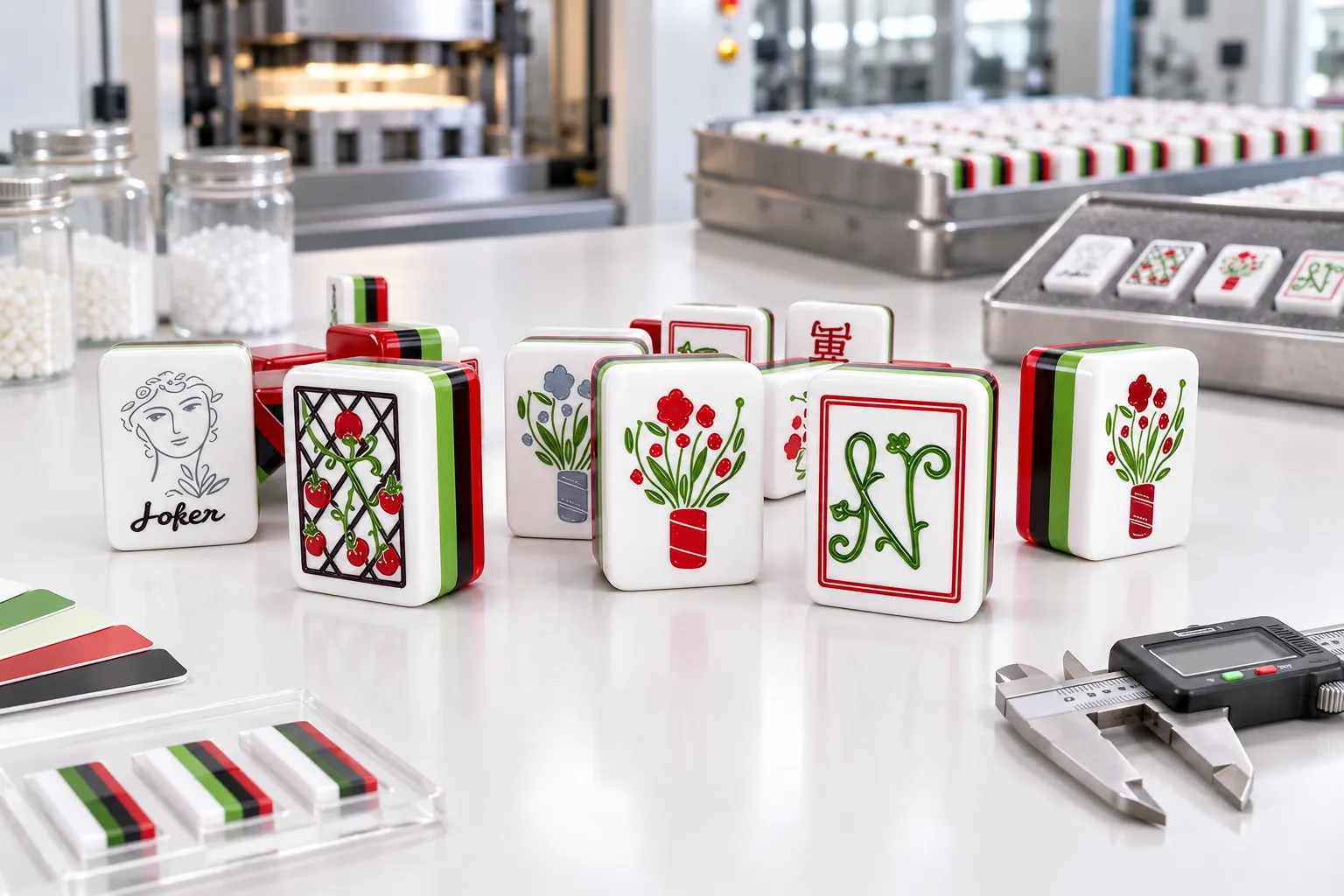
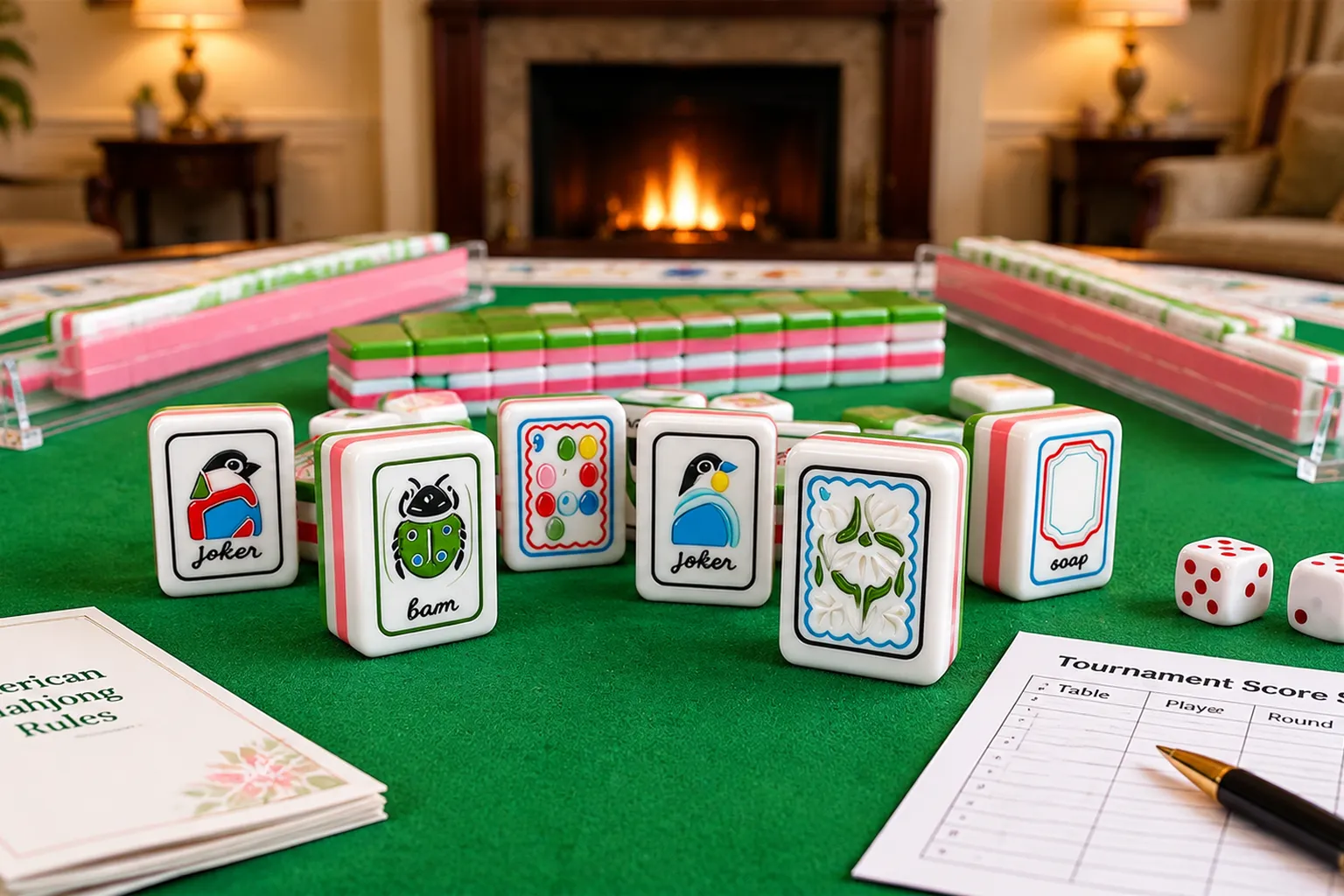
Sustainable mahjong sets are getting more attention as more buyers ask whether a product is made responsibly. Retailers and private-label brands want to know what sustainable mahjong sets really look like, and how to talk about them without overpromising. This guide covers the practical choices that reduce waste and the claims that are safe to make.
What Sustainable Mahjong Sets Really Mean
A mahjong set is a long-life product. Families use the same set for years, and many sets become gifts that are passed on. That is the strongest sustainability argument you have. A set that stays in use for ten years creates far less waste than a cheaper set that is replaced every two.
So sustainability here is not one feature. It is a mix of durable materials, smart packaging, longer product life and honest communication with customers.
Start With Durability
The most effective step is to make the set last. Tiles that chip, yellow or lose their printing are thrown away, and the benefit of every other choice is lost. Durable tiles are the foundation of sustainable mahjong sets.
When you plan a collection, ask your supplier about wear resistance, edge finishing and how the artwork is applied. A well-finished set stays attractive for longer. If you are still deciding on material, our comparison of acrylic vs melamine mahjong tiles explains how each one behaves in everyday use.
Be Realistic About Tile Materials
Acrylic and melamine are plastic-based materials. They are not biodegradable, and it is better to say so than to hide it. For background on the materials themselves, see these overviews of acrylic (PMMA) and melamine resin. Rather than calling a set “green”, focus on what you can support:
- Long service life and strong finish quality
- Spare tiles available, so one lost tile does not mean a discarded set
- Clear care instructions that prevent avoidable damage
If recycled-content materials matter to your brand, ask the factory whether they are available for your chosen tile type. Request written documentation, and check that the quality, colour and feel still meet your standard before you commit to a bulk order.
Choose Better Packaging for Sustainable Mahjong Sets
Packaging is where most brands can make the most visible change, because it is easy to adjust and customers see it first.
- Paper-based boxes and inserts. Paperboard and card can replace plastic trays and window films in many designs.
- Fewer materials per box. A box made of one main material is easier for customers to recycle than a mix of foam, plastic and glued layers.
- Certified paper. If you want to mention certified sources, ask for the certificate and confirm it covers the exact packaging you are buying.
- Water-based or soy-based inks. Ask what the printer uses and whether it affects colour accuracy.
Premium packaging does not have to be heavy. A well-designed rigid box with a simple insert can feel luxurious while using fewer parts. For the full range of structures, see our guide to mahjong packaging options for wholesale and private label.
Extend the Life of the Set
A longer product life is the most honest environmental benefit sustainable mahjong sets can offer, and it costs very little to support.
Include a small care card in the box, or put a few lines on your product page. Customers who know how to look after their tiles keep them looking new for longer. Our acrylic and melamine care guide gives you the basic routine you can adapt for your own card.
It also helps to offer spare tiles for lost or damaged pieces, so a single missing tile does not end the life of a whole set. We explain how to plan this in our guide to replacement tiles and after-sales support.
Avoid Greenwashing
Customers and retailers are paying more attention to environmental claims. When you market sustainable mahjong sets, keep your messaging simple and provable.
- Do not use words like “eco”, “green” or “planet-friendly” unless you can explain exactly why.
- State specific facts, such as “gift box made from recycled paperboard” or “plastic-free outer packaging”, only when your supplier has confirmed them in writing.
- Keep certificates, test reports and supplier statements in a file in case a customer or retailer asks.
Modest, accurate claims build more trust than large claims that cannot be supported.
Questions to Ask Your Supplier
Before you launch sustainable mahjong sets under your own brand, ask:
- Which packaging materials are available, and which can be recycled in common household systems?
- Can the insert be made from paper instead of plastic or foam?
- Is recycled content available for the box, and can you provide documentation?
- Which inks and coatings are used on the packaging?
- Can spare tiles be supplied for future reorders?
Final Thoughts
A collection of sustainable mahjong sets is built on practical decisions: durable tiles, simpler packaging, a longer product life and honest communication. You do not need to change everything at once. Start with packaging and care instructions, then review materials as your range grows. If you are planning a private-label or custom collection and want advice on packaging and production options, contact our team to discuss your project.