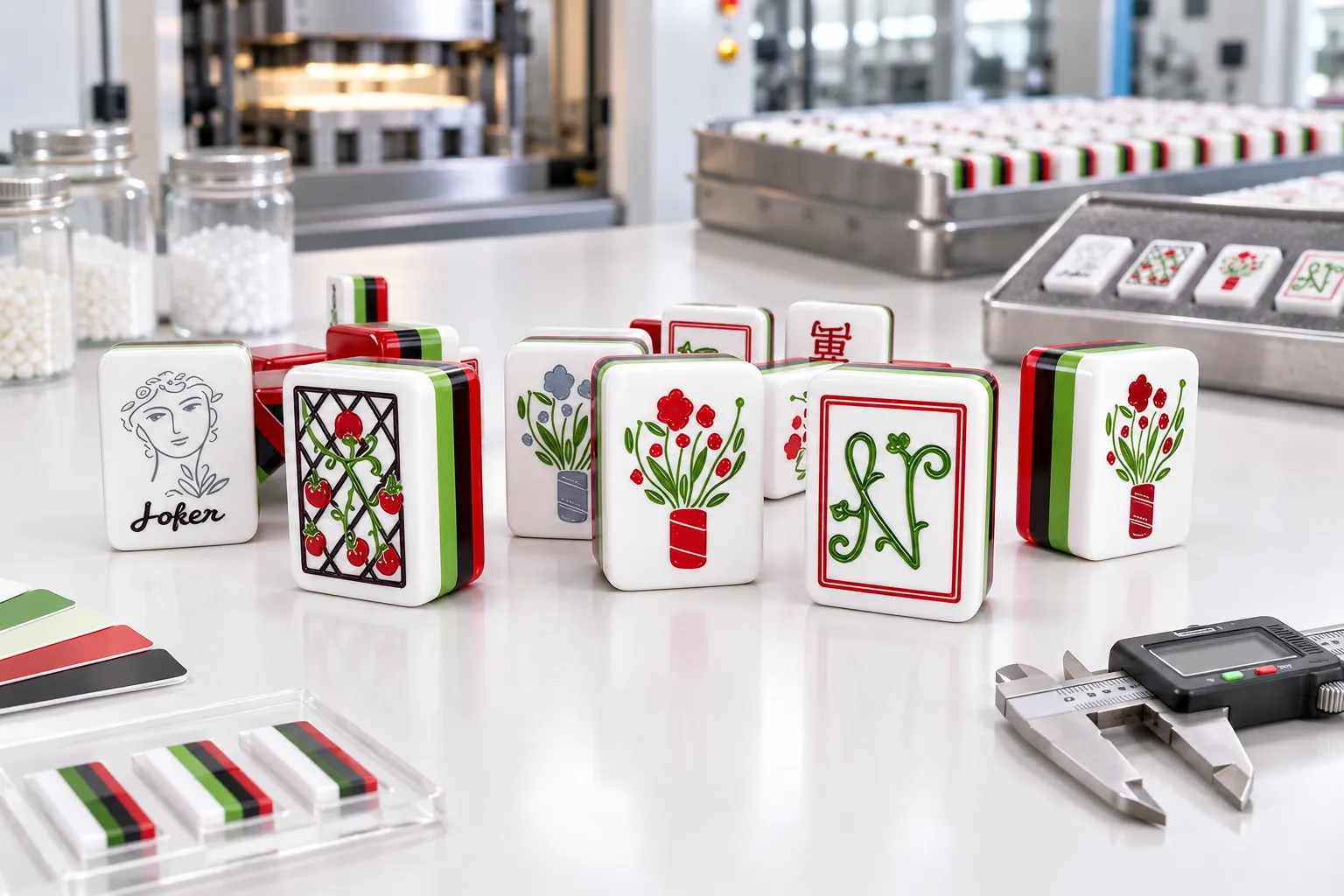

OEM/ODM MANUFACTURING FOR GLOBAL BRANDS
- View Our Alibaba Store
- info@huhumahjong.com
- +86 13326907761
Mahjong Quality Control for Wholesale Orders: What Buyers Should Inspect Before Shipping
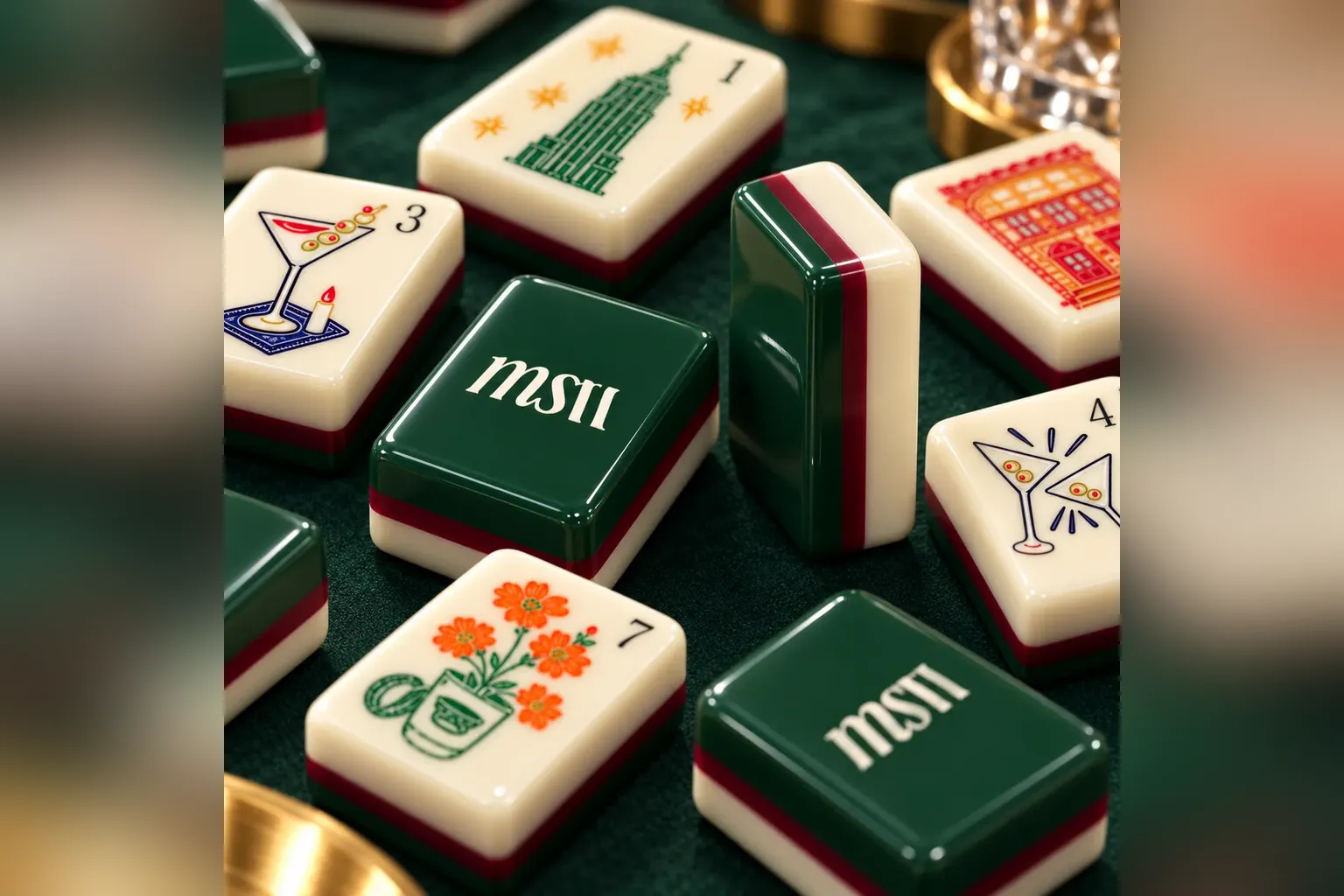
For wholesale buyers, mahjong quality control means checking print, tile body, set completeness and packaging against a written standard before the cartons leave the factory. This guide walks through each check and how to agree on the rules with your supplier.
Why Mahjong Quality Control Matters More for Wholesale Orders
A single faulty set is a minor problem for a retail shopper. For a wholesale buyer, the same fault can repeat across hundreds or thousands of sets.
That is why mahjong quality control deserves its own step in the buying process, not just a quick look at the sample.
Common risks in wholesale orders include:
- Mass production that differs from the approved sample
- Colour or print variation between batches
- Missing or damaged tiles inside the set
- Packaging that does not survive export shipping
- Disputes about what counts as acceptable
Most of these problems are cheaper to prevent than to fix after the goods arrive. A clear inspection plan, agreed before production starts, protects both the buyer and the factory.
1. Artwork and Print Checks
Good mahjong quality control starts with the printed face, because it is what customers see first. Check it against the approved sample and the final artwork file.
Buyers should look at:
- Character, number and symbol clarity
- Correct position and size of every design element
- Colour match against the approved sample or colour reference
- Edges of the print: no blur, smudging or ink spread
- Consistency between tiles of the same type, such as all four dragons or all flowers
One practical tip: compare tiles from different cartons, not only the first few from the top. Colour drift between production batches is easier to spot this way.
If your artwork was prepared correctly from the start, many print problems never appear. See our guide on how to prepare AI files to customise Mahjong tiles.
2. Tile Body Checks
The tile body is the core of mahjong quality control. It should feel solid and look consistent, and material, thickness and layer structure all affect how the finished product performs.
Check for:
- Dimensions: tile height, width and thickness within the agreed tolerance
- Surface: scratches, dents, bubbles, cloudy spots or visible marks
- Edges and corners: smooth finishing, no sharp edges, chips or rough cuts
- Layers: even layer lines on multi-colour tiles, with no gaps or uneven bonding
- Weight: similar feel across the set, since large differences make a product feel less refined
Material choice also changes what to look for. Acrylic and melamine tiles can show different surface issues, so it helps to know which defects are typical for your chosen material. Our guides on acrylic vs melamine tiles and Mahjong tile weight cover this in more detail.
3. Set Completeness and Consistency
Completeness is the part of mahjong quality control that buyers most often overlook. A beautiful tile does not help if the set is incomplete, so count and verify the full contents of a sample of sets.
Buyers should confirm:
- The tile count matches the agreed configuration for that Mahjong style
- Every tile type is present, including jokers, flowers or any special tiles
- Racks, dice, pushers, counters and other accessories are included as specified
- Tiles within one set match each other in colour, size and feel
- No mixed tiles from different production lots inside the same set
The tile configuration differs between American, Chinese and Japanese Riichi sets. Write the exact configuration into your purchase order so the inspector has a clear reference. For a quick comparison of the main formats, see our Mahjong tile sizes guide.
4. Packaging and Carton Checks
Packaging checks complete your mahjong quality control. They are the last line of protection before the goods travel across the world, and they shape the first impression for the end customer.
Check the following:
- Retail box or case: correct design, print quality, closure and finishing
- Inner protection: tiles are held securely and do not rattle or scratch each other
- Barcodes and labels: correct, scannable and placed as agreed, especially for Amazon and retail programmes
- Export cartons: strong enough for the route, with the right number of sets per carton
- Shipping marks: carton marks, product names and quantities match the order documents
- Drop and stack condition: no crushed corners or damaged boxes in a random carton sample
If the order will ship under FOB, CIF or DDP terms, check how responsibility for the cartons changes along the route. Our guide on FOB vs CIF vs DDP for Mahjong wholesale orders explains the difference.
5. Mahjong Quality Control Methods Buyers Can Use
There is no single correct way to inspect an order. The right method depends on order size, budget and how much risk the buyer is willing to carry.
Pre-shipment inspection by the factory
The factory checks finished goods before packing and shares the results. This is the baseline for most orders. Ask for a written inspection record, not only a verbal confirmation.
Production photos and videos
Buyers can request photos or short videos at key stages, such as after printing, after assembly and during carton packing. This is fast, low cost and well suited to smaller orders.
Third-party inspection
An independent inspection company visits the factory and checks a random sample against the agreed standard. This is common for larger orders, first orders with a new supplier, or any order where an independent report is needed.
Live video inspection
The buyer joins a video call while sets are opened, counted and checked on camera. It gives direct visibility without travel.
For a first order, many buyers combine two mahjong quality control methods, for example production photos plus a third-party check before shipment.
6. Agree on Acceptance Standards Before Production
Most quality disputes come from unclear expectations, not bad intentions. Settle the rules in writing before production begins.
A written mahjong quality control agreement usually covers:
- Approved sample: the sample that production must match, kept by both sides
- Defect categories: critical, major and minor defects, each with clear examples
- Sampling plan and AQL: how many sets are inspected and how many defects are acceptable
- Tolerances: allowed variation in size, colour and weight
- What happens on failure: rework, re-inspection, replacement or price adjustment
Many buyers in consumer goods use the AQL (Acceptable Quality Limit) method, with sampling based on the international sampling standard ISO 2859-1. A common starting point is zero tolerance for critical defects, with stricter limits for major defects than for minor ones. The right limits depend on your product and market, so agree them with your supplier rather than copying a template.
Photos of acceptable and unacceptable examples remove most arguments. A clear picture is easier to follow than a written description.
Mahjong Quality Control Checklist Before Shipping
Use this mahjong quality control checklist as a starting point and adjust it to your own product.
| Area | What to check | Evidence to request |
|---|---|---|
| Artwork | Colour match, print clarity, design position | Photos against approved sample |
| Tile body | Size, thickness, surface, edges, layers | Measurements and close-up photos |
| Weight | Consistent feel across the set | Weight records for a sample |
| Completeness | Tile count, accessories, no mixed lots | Opened-set photos or video |
| Packaging | Box finish, inner protection, labels, barcodes | Photos of packed sets |
| Cartons | Strength, marks, quantity per carton | Carton photos and packing list |
| Report | Defects found and corrective action | Written inspection report |
Working With HUHU Mahjong
HUHU Mahjong works with brands, retailers and clubs producing Mahjong products for different markets.
Customers provide their own design requirements and product specifications, while HUHU focuses on manufacturing and production execution. If you have specific mahjong quality control requirements, such as an approved sample, an AQL level or a third-party inspection, share them when you send your enquiry so they can be considered before production starts.
You can learn more about how orders move through the factory on our Production Process, Factory Tour and OEM / Custom pages.
Final Thoughts
Mahjong quality control is not a single check at the end of production. It is a set of agreed standards, clear samples and simple inspection steps that run from artwork approval to the packed carton.
For wholesale buyers, the best protection is clarity: define what “good” looks like, agree how it will be checked, and keep a record of the result. Good mahjong quality control saves time, protects your brand and keeps repeat orders running smoothly.
Ready to plan your next Mahjong order? Send us your requirements and our team will reply within 24 hours.
About the Author
HUHU Team
We share industry insights, product knowledge, and manufacturing updates to help global clients better understand mahjong production and OEM solutions.